Blog
Nitrogen for Wine Preservation and Food Packaging: Which Cylinder Do You Need?

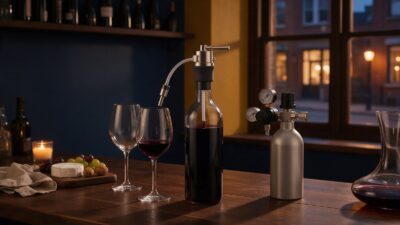
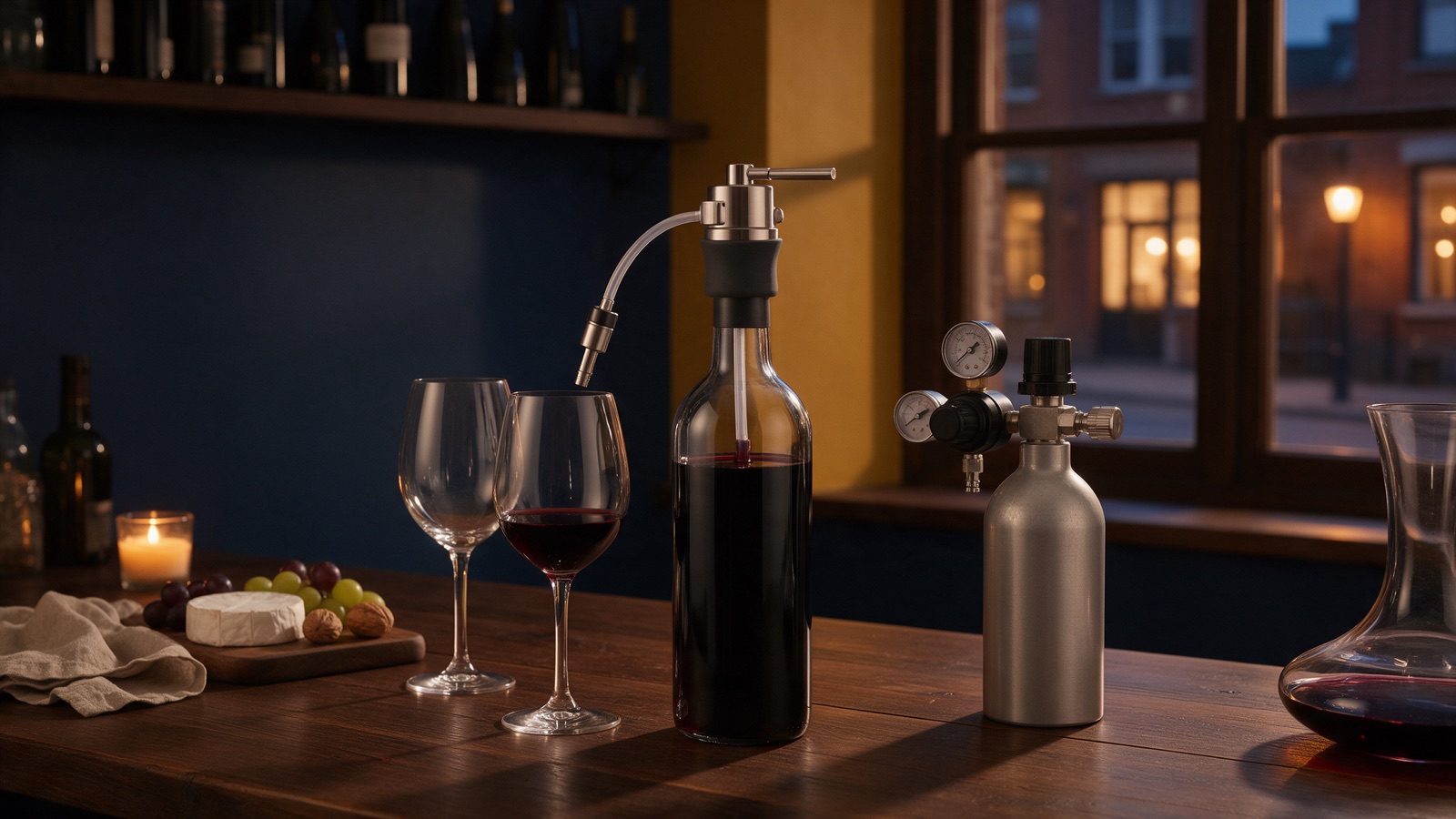
Open a good bottle of wine and the clock starts. Oxygen gets to work on it the moment the cork comes out, and within a day or two a bright, fresh wine turns flat and tired. Nitrogen preservation systems stop that clock by replacing the air in the bottle with an inert gas, which is why wine bars can pour by the glass all week and why serious home drinkers keep a cylinder under the counter.
The same idea keeps coffee, crisps, nuts and fresh produce from going stale in the packet. This guide explains how it works, which gas your system actually needs, and how to pick between the disposable and refillable food-grade nitrogen cylinders Bottle Gases supplies.
How nitrogen keeps wine and food fresh
Nitrogen is an inert gas: it does not react with the wine or the food it surrounds. When a preservation system pushes nitrogen into an opened bottle, it displaces the oxygen sitting in the headspace above the wine. With no oxygen to react with, the wine stops oxidising and holds its character for far longer than it would under a cork or a vacuum stopper.
Food packaging uses the same principle on a larger scale. Flushing a pack with nitrogen before it is sealed removes the oxygen that causes fats to go rancid and colours to fade, which is how a bag of coffee beans or a tray of fresh pasta stays fresh on the shelf. Nitrogen is the standard food-grade gas for this job and carries the food additive number E941.
Nitrogen or argon? Check what your system specifies
Not every wine preserver runs on nitrogen. Some well-known systems use argon, which is heavier than air and settles over the wine as a blanket. Others use nitrogen, and a few use a blend. The gas is not interchangeable, so the first thing to do is check the manufacturer’s instructions for your dispenser, preserver or packaging machine and buy the gas it specifies.
If your equipment calls for nitrogen, the cylinders below are the food-grade option. If it calls for argon, nitrogen is not a substitute.
Disposable or refillable: which nitrogen cylinder suits you?
Bottle Gases supplies food-grade nitrogen in two formats.
Disposable cylinders: 0.95L and 2.2L
The new 0.95L and 2.2L disposable cylinders are filled to 100 bar, supplied full, and fitted with an M10 × 1 right-hand thread. They are single-use: once empty, the cylinder is not refilled.
They suit a home preservation system, a small wine bar with one or two dispensers, or anyone who wants a compact cylinder that tucks behind the bar without a deposit or a trip to swap it. Pair them with a nitrogen regulator that has an M10 × 1 RH inlet and is rated for 100 bar, as your equipment maker specifies.
| Cylinder | Fill pressure | Fitting | Best for |
|---|---|---|---|
| 0.95L disposable | 100 bar | M10 × 1 RH | Home systems, occasional use, a spare on the shelf |
| 2.2L disposable | 100 bar | M10 × 1 RH | Busier home use, a small bar with a single dispenser |
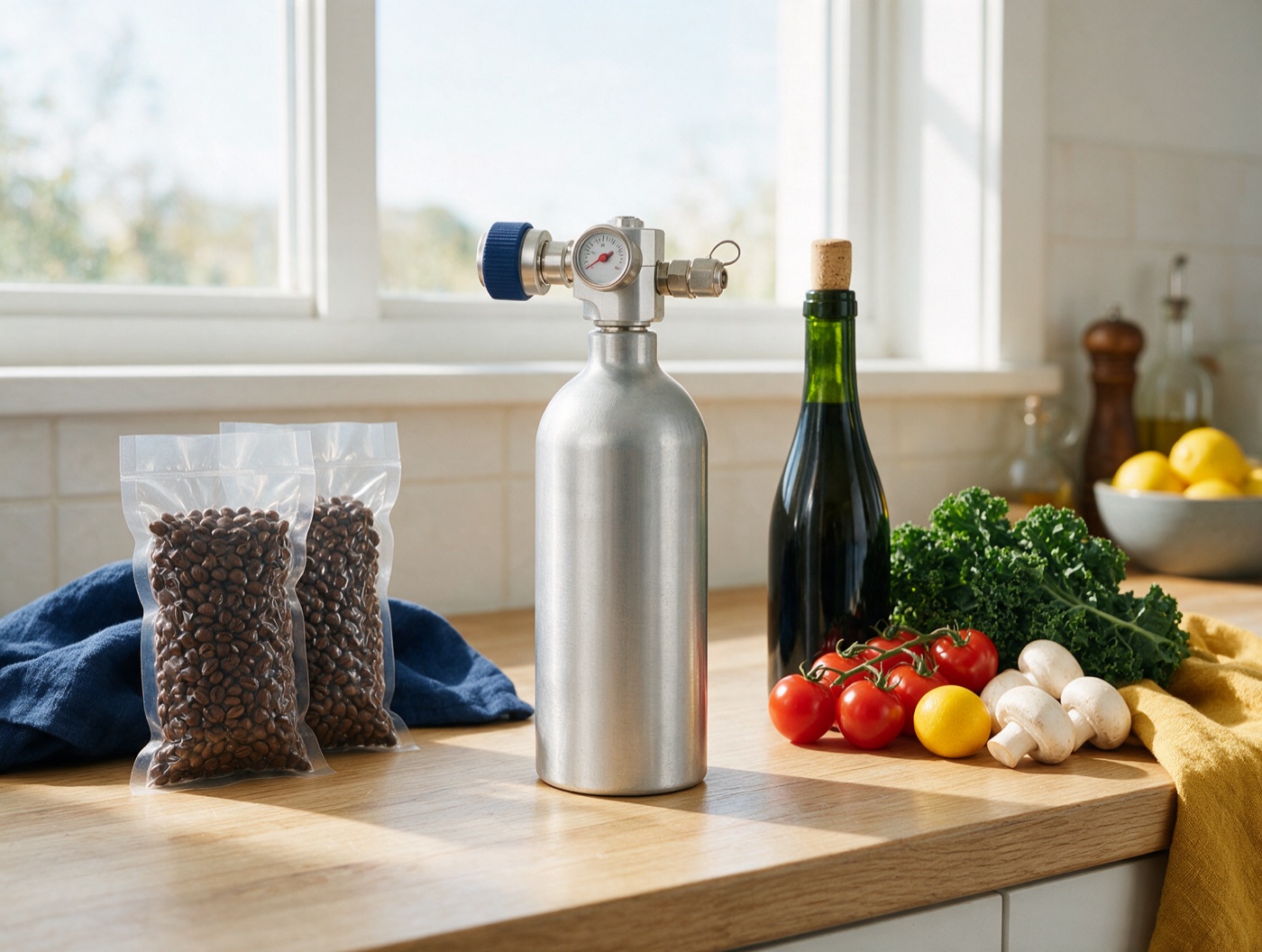
Refillable cylinders: 2L, 9.4L and 20L
For a restaurant pouring several wines by the glass, a wine shop with a tasting bar, or a small producer flushing packs every day, a refillable cylinder works out far more practical. The 2L is filled to 200 bar, the 9.4L to 137 bar and the 20L to 200 bar, and the 20L holds roughly ten times the gas of the 2L.
These use the standard BS341 No.3 (5/8 inch) valve, so they fit the same nitrogen regulators used across the UK industrial gas trade. There is no monthly bottle rental and no environmental charge; you pay a cylinder deposit and swap the empty for a full one.
| Cylinder | Fill pressure | Approximate size | Best for |
|---|---|---|---|
| 2L refillable | 200 bar | 45cm × 10cm | A busy home bar or small venue |
| 9.4L refillable | 137 bar | 76cm × 15cm | Restaurants and wine bars with several dispensers |
| 20L refillable | 200 bar | 95cm × 20cm | Daily food packaging, larger venues, longest run between swaps |
Which regulator do you need?
The cylinder and the regulator have to match. Disposables take an M10 × 1 RH regulator rated for the cylinder pressure. Refillables take a standard BS341 No.3 nitrogen regulator; Bottle Gases stocks a single-stage, twin-gauge nitrogen regulator for this range. Whichever you choose, follow the pressure and flow settings in your equipment’s manual rather than a figure from a forum.
Using nitrogen safely
Nitrogen is not flammable and not toxic, but it displaces oxygen. Store and change cylinders in a ventilated space, never in a sealed cupboard or a small cellar without airflow, and keep them upright and away from heat. Read the cylinder label and the nitrogen safety data sheet before first use, and if a cylinder is damaged or the valve is stiff, stop and contact Bottle Gases rather than forcing it.
Where to buy
Browse the full food-grade nitrogen range or go straight to the cylinder that fits your setup: the 0.95L disposable and 2.2L disposable for M10 systems, or the 2L, 9.4L and 20L refillables. Every cylinder is delivered across the UK; see delivery information for timings, or contact the team if you are not sure which size or fitting you need.
Frequently asked questions
How does nitrogen keep opened wine fresh?
A preservation system pushes nitrogen into the bottle to displace the oxygen above the wine. Nitrogen is inert, so with the oxygen gone the wine stops oxidising and keeps its flavour and aroma for much longer than under a cork alone.
Can I use nitrogen in an argon wine preserver?
No. Nitrogen and argon are not interchangeable in preservation and dispensing equipment. Check the manufacturer’s instructions and use the gas your system specifies.
Which nitrogen cylinder do I need for a home wine preserver?
For a home system with an M10 × 1 RH fitting, the 0.95L or 2.2L disposable cylinder is the simplest choice. Busier home bars and venues are better served by the 2L, 9.4L or 20L refillable cylinders, which use a standard BS341 No.3 valve and a cylinder deposit rather than monthly rental.
Is the nitrogen food grade?
Yes. The nitrogen Bottle Gases supplies for wine preservation and food packaging is food grade, the standard for gas that comes into contact with food and drink.
Do I need a special regulator?
Yes. Disposable M10 cylinders need a nitrogen regulator with an M10 × 1 RH inlet rated for 100 bar. Refillable cylinders use a standard BS341 No.3 nitrogen regulator. Always follow the pressure settings in your equipment’s manual.