Blog
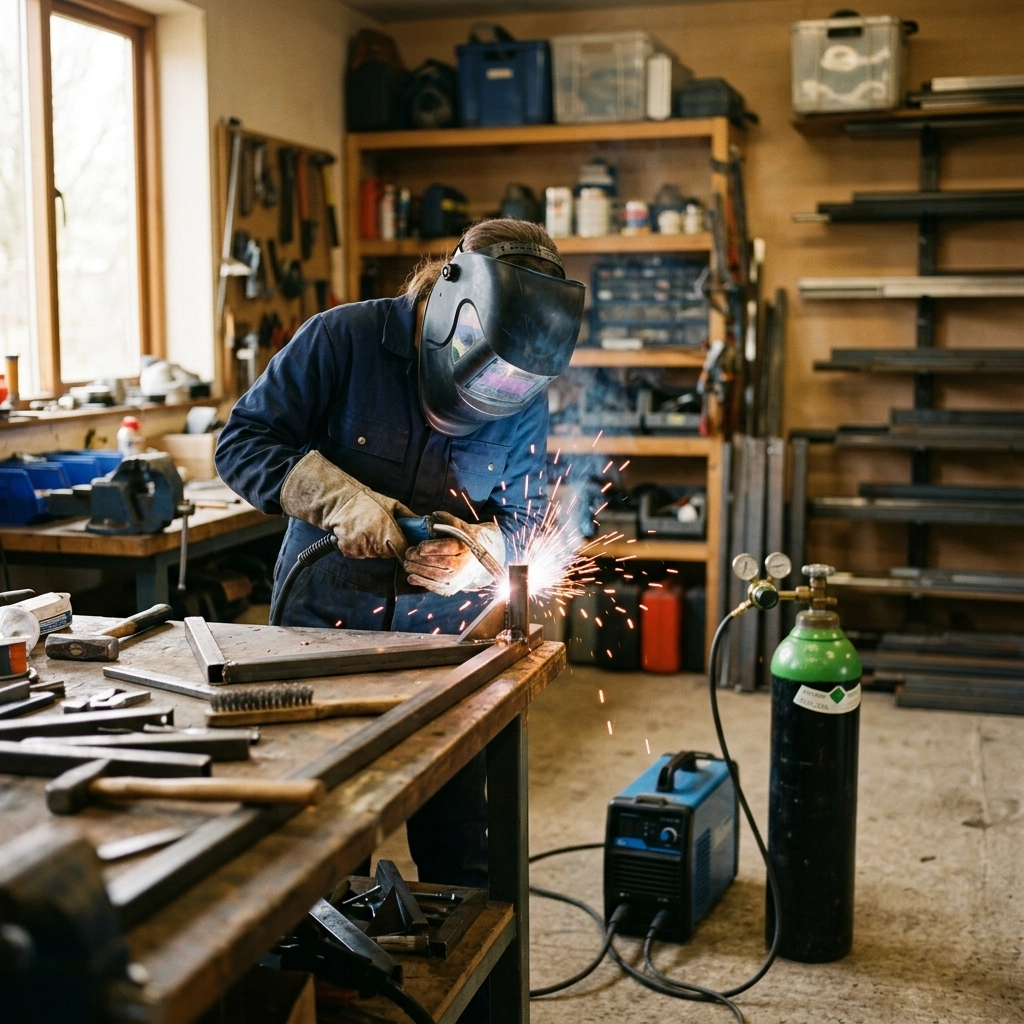
7 Mistakes You’re Making with MIG Gas Bottles (and How to Fix Them)

Have you ever spent hours prepping a project, meticulously cleaning your metal and setting your wire speed, only to pull the trigger and see your weld pool bubbling like a fizzy drink? Or perhaps you’ve looked at your monthly bank statement and wondered why you’re still paying a "standing charge" for a gas cylinder that’s been sitting in the corner of your garage untouched for three months?
If you’ve ever felt like MIG welding is a dark art where the variables are constantly shifting, you aren't alone. Whether you’re a hobbyist working on a classic car restoration or a professional welder in a busy workshop, your gas bottle is the unsung hero of your setup. But it’s also the source of some of the most common: and expensive: mistakes in the industry.
At Bottle Gases, we see these slip-ups all the time. The good news? They are incredibly easy to fix once you know what to look for. Let’s dive into the seven most common mistakes you’re making with your MIG welding gas and how to turn your welding game around.
1. Using the Wrong Gas Mix for the Job
Are you grabbing whatever bottle is closest and hoping for the best? While it might be tempting to use that leftover pure Argon from a TIG project on your mild steel MIG job, you’re setting yourself up for failure.
Think of shielding gas like the oil in your car; using the wrong type won’t just result in poor performance: it can actually damage the "engine" of your project (the structural integrity of the weld).
- The Mistake: Using 100% CO2 for everything because it’s cheap, or using pure Argon on mild steel.
- the Result: 100% CO2 causes excessive spatter and a harsh arc. Pure Argon on mild steel leads to poor penetration and a "tall," weak weld bead.
- The Fix: For most mild steel projects in the UK, a 5% CO2 / 95% Argon mix is the "Goldilocks" solution. It provides a stable arc and great penetration. If you’re working with thicker materials, a 12% or 20% CO2 mix might be better. If you are working on something specialised, check our guide on TIG welding gas to ensure you aren't crossing the streams.
2. Setting the Flow Rate Too High
"If a little gas is good, a lot of gas must be better, right?" This is perhaps the most common misconception in the workshop. It’s natural to want to protect your weld, but cranking your gas regulator to the max is actually counterproductive.
Imagine trying to blow out a candle. A gentle, steady breath does the trick. But if you huff and puff with all your might, the air becomes turbulent. This is exactly what happens at your welding nozzle.
- The Mistake: Cranking your flow rate up to 25+ Liters per minute (L/min).
- The Result: High flow rates create a "Venturi effect," sucking outside air (oxygen and nitrogen) into the gas stream. This causes porosity: those tiny holes that make your weld look like Swiss cheese and act just as weak.
- The Fix: For most indoor MIG welding, a flow rate of 8 to 12 L/min is the sweet spot. If it’s slightly breezy, you might bump it up to 15 L/min, but any more than that is literally throwing money into the wind.

3. Ignoring the "Ghost" Leaks
When was the last time you checked your hoses? If you find yourself running out of gas faster than usual, you might have a "ghost" in your system: a tiny leak that’s bleeding your bottle dry while you aren’t even looking.
In a professional shop, gas is a major overhead. Even for a DIYer, wasting a 10L or 20L bottle because of a loose fitting is frustrating and costly.
- The Mistake: Leaving the bottle valve open overnight or ignoring a faint "hissing" sound.
- The Result: You’re paying for gas that ends up in the atmosphere instead of on your metal.
- The Fix: Perform a simple "Soapy Water Test." Mix some washing-up liquid with water and spray it onto your connections, from the bottle valve to the machine inlet. If bubbles start forming, you’ve found your leak. Tighten the fittings or replace the hose. It’s a five-minute job that can save you a fortune.
4. Staying Trapped in the Rental Cycle
Are you still paying a monthly rental fee for your gas bottles? For many occasional welders or small business owners, the "Big Gas" rental model is like a gym membership you never use. You pay £10 or £15 a month just for the "privilege" of having the bottle sit in your workshop. Over a year, that’s £180 before you’ve even bought a single Liter of gas!
- The Mistake: Sticking with traditional rental contracts out of habit.
- The Result: Huge recurring costs that eat into your project budget.
- The Fix: Switch to a "Rent-Free" model. At Bottle Gases, we believe in a simple approach: you buy the gas, and you pay a one-time refundable deposit for the bottle. No monthly fees, no hidden "environmental charges," and no stress. When the bottle is empty, you just swap it for a full one and only pay for the gas. Check out our industrial gas supplier page to see how much you could save.

5. Poor Nozzle Maintenance
Your MIG gun's nozzle is the last thing the gas touches before it hits the weld. If that nozzle is clogged with "berries" (weld spatter), the gas can’t flow evenly.
- The Mistake: Never cleaning the inside of the shroud.
- The Result: Uneven gas coverage, leading to oxidation and poor weld quality, even if your regulator settings are perfect.
- The Fix: Keep a pair of MIG pliers handy and regularly clear out the spatter. Using an anti-spatter spray or gel can also prevent the buildup from sticking in the first place. Think of it like keeping the nozzle on your garden hose clean; if it's blocked, you won't get a clean spray.
6. Dangerous Storage Habits
Gas bottles are heavy, high-pressure vessels. A 20L steel cylinder can weigh upwards of 30kg and contains gas compressed at up to 200 bar. Treating them like a pile of scrap metal is a recipe for disaster.
- The Mistake: Storing bottles horizontally or failing to secure them.
- The Result: If a bottle falls and the valve shears off, it becomes a literal rocket that can punch through brick walls.
- The Fix: Always store and use your bottles in an upright position. Secure them to a wall or a welding trolley using a sturdy chain or strap. For more safety tips, our welding gas safety guide is a must-read for anyone setting up a home workshop.

7. Running Out Mid-Job (The "Sunday Afternoon" Curse)
We’ve all been there. It’s 3:00 PM on a Sunday, you’re on the final stretch of a project, and suddenly the wire starts popping and the gas gauge hits zero.
- The Mistake: Relying on small disposable gas bottles for large projects or not having a backup.
- The Result: Wasted time, frustration, and the temptation to finish the weld without gas (which you should never do).
- The Fix: Plan ahead. If you’re doing more than a quick 5-minute tack weld, move away from disposables and invest in a refillable 5L, 10L, or 20L cylinder. We offer nationwide delivery, so you can have a full bottle ready to go before you even start your next big build.
How Bottle Gases Makes It Easier
At Bottle Gases, we don’t just want to sell you a bottle; we want to make sure you have the best welding experience possible. We’ve built our business around three core pillars designed to solve the frustrations mentioned above:
- No Recurring Rental Fees: We don't believe in charging you for a bottle that's just sitting there. Our deposit-based system keeps your costs low.
- Competitive Pricing: We offer high-quality gas mixes at prices that make sense for both the professional and the hobbyist.
- Nationwide Delivery: No matter where you are in the UK, we can get your gas to your door safely and quickly. Whether you need Helium for balloons or Beer & Cellar gas, we’ve got you covered.
Which Size Do You Need?
If you're unsure which bottle size is right for you, here’s a quick rule of thumb:
- 5 Litre: Perfect for the occasional hobbyist or "light" repairs. Easy to carry and store.
- 10 Litre: The "sweet spot" for most home workshops and serious car restorers.
- 20 Litre: Ideal for small businesses or those tackling large-scale fabrication.

Final Thoughts
MIG welding should be satisfying, not stressful. By avoiding these seven common mistakes: especially the trap of expensive rental fees and incorrect flow rates: you’ll find that your welds are cleaner, your gas lasts longer, and your wallet stays heavier.
Ready to upgrade your setup and ditch those monthly rental fees? Browse our full range of MIG welding gas bottles today and see the difference a professional-grade, rent-free cylinder can make to your work. If you have any questions about which mix is right for your specific machine, don't hesitate to contact us: we’re always happy to help a fellow welder get the job done right.