
Beer Gas & Cellar Gas Cylinders
Showing all 10 resultsSorted by popularity
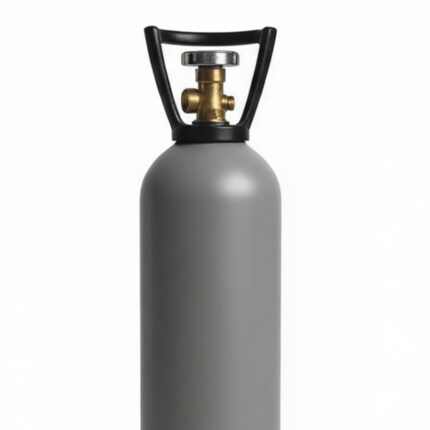
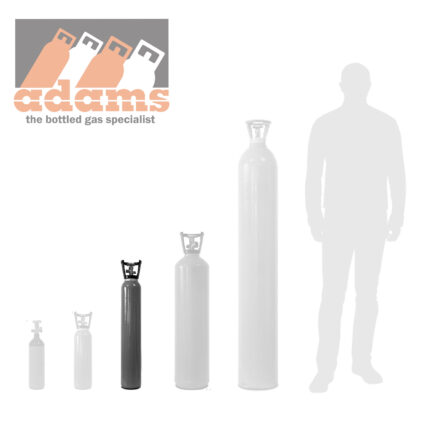
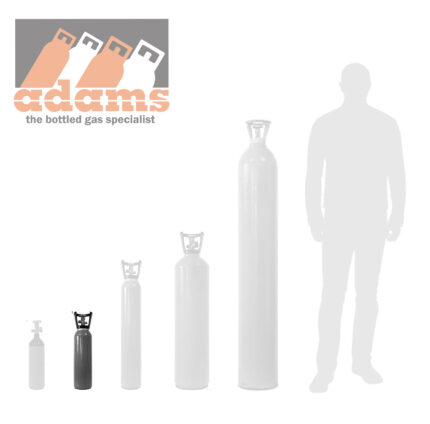
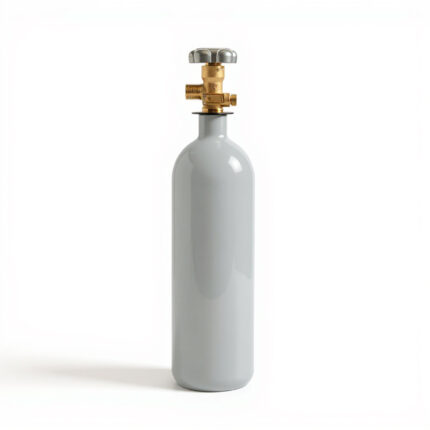
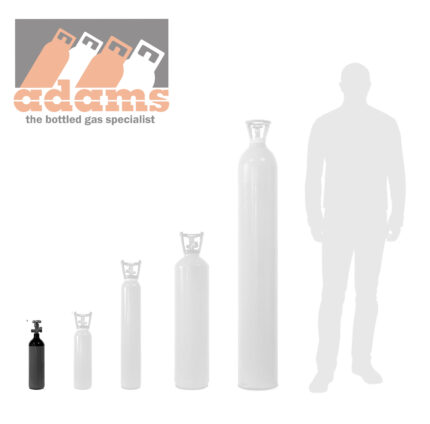
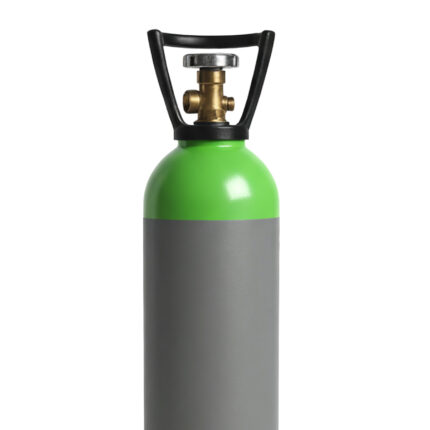
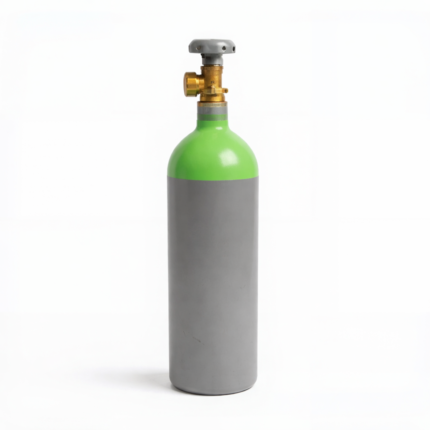
Cellar Gas Mix 70/30% for Home Bars and Business. 10L Cylinder filled to 200 Bar. Food Grade Quality

More about Beer Gas & Cellar Gas Cylinders
Beer Gas & Cellar Gas for Draught Dispensing
Cellar gas for pubs, bars and home cellars
Draught beer, lager and cider don't move from keg to glass on their own — something has to push the liquid through the line, hold the carbonation steady and keep the pour consistent from the first pint to the last. That's the job of beer gas, also called cellar gas: a cylinder of compressed CO2 or a CO2/nitrogen blend connected to your keg coupler and line. Get the wrong gas or the wrong mix on the wrong beer and you'll see it in the glass — flat pours, too much head, gushing lines, or a keg that won't push at all.
Whether you're running a full pub cellar, a bar back-fridge, or a smaller club or venue setup, the gas side of the system matters as much as the beer itself. Bottle Gases stocks the cylinders UK cellars actually use: pure CO2 and both common mixed-gas blends, in sizes that suit anything from a single tap to a multi-line cellar. See the full range on the beer & cellar gas category.
Mixed Gas vs Pure CO2 — Which Does Your Cellar Need?
Two gas types, two different jobs
Cellar dispensing runs on one of two gas types, and the choice isn't a matter of preference — it follows the drink. Pure CO2 gives a firmer push and is the standard choice for cider and for a number of ales and soft drinks, where a crisper, more carbonated character suits the product. Mixed gas — a blend of CO2 and nitrogen — is the usual choice for keg lagers and for smooth, creamy beers, where nitrogen tempers the carbonation and helps produce a tighter, longer-lasting head.
Put the wrong gas on the wrong keg and the results show up fast: over-carbonated cider, a lager that pours flat, or a stout that won't build the head it's meant to have. If you're setting up a new line or troubleshooting a pour that isn't behaving, our guide on 30/70, 60/40 and pure CO2 for the perfect pour walks through how to match gas to drink in more detail than we can fit here.
30/70 vs 60/40 Mixed Gas Explained
What the numbers on a mixed-gas cylinder actually mean
Once you're into mixed gas, the next decision is the ratio. The two blends stocked on most UK bars are 30/70 (30% CO2, 70% nitrogen) and 60/40 (60% CO2, 40% nitrogen). The higher the nitrogen share, the smoother and creamier the pour tends to be, which is why 30/70 is common on stouts, milds and other beers dispensed with a tight, lasting head. 60/40, with more CO2 in the blend, suits beers that need a bit more carbonation retained through a longer line run or a busier cellar.
Neither ratio is a universal default — the right one depends on the specific beer, the line length, and how your cellar is set up, so it's worth checking the brewer's recommendation alongside our own comparison in how to choose between 30/70 and 60/40 mixed gas before committing a cellar to one blend. Many venues running several beer styles keep both ratios in stock and match cylinder to keg as lines change.
Choosing Your Cylinder Size — No Rental, No Contract
2L, 10L and 20L cylinders sized for your venue
Cellar gas cylinders from Bottle Gases are sold outright — there's no monthly rental agreement and no ongoing contract sitting behind the price you see. You buy the cylinder, you own it, and you exchange it for a refill when it runs low. That matters for smaller venues and home bars in particular, where a rental agreement sized for a full pub cellar makes no sense against the volume actually being poured.
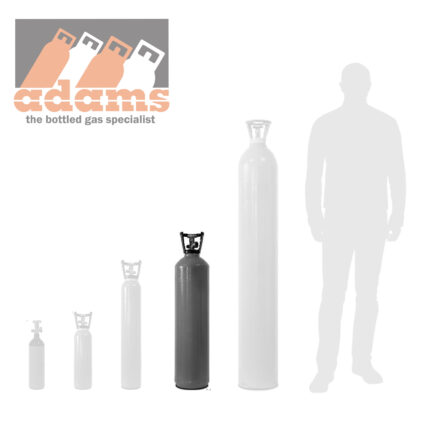
Our Cellar Mix 30/70 and Cellar Mix 60/40 cylinders come in 2L, 10L and 20L, food-grade and filled to spec (fill pressures vary by size and product, shown on each listing). A single-tap home bar or a low-turnover snug will usually get by on a 2L or 10L cylinder changed out every so often; a working pub cellar running multiple lines through service will want 20L on hand so a keg change doesn't coincide with a gas change. Pure CO2 for cider and ale lines is stocked in 1.5kg, 3.15kg, 6.35kg and 15kg. If you're not sure which size suits your throughput, our ultimate guide to beer and cellar gas covers sizing alongside gas type.
Ordering Cellar Gas & Getting Support
A straightforward supplier for bar gas
Running out of gas mid-service isn't a minor inconvenience — it's a line that stops pouring in front of paying customers. Bottle Gases works with pubs, bars, clubs and home-bar owners across the UK looking for bar gas suppliers they can order from repeatedly without chasing a rental account or waiting on a scheduled swap. Order the cylinder and size you need, when you need it, and keep spares on hand so a change happens on your schedule rather than mid-shift.
Browse pure CO2 and both mixed-gas ratios in the beer & cellar gas range, or, if you're setting up a smaller home-bar tap rather than a full cellar, see our dedicated home bar gas page. If you're unsure which cylinder or mix fits your setup, get in touch before you order — matching the gas to the beer at the start saves a wasted keg later.
Online store of household appliances and electronics
Then the question arises: where’s the content? Not there yet? That’s not so bad, there’s dummy copy to the rescue. But worse, what if the fish doesn’t fit in the can, the foot’s to big for the boot? Or to small? To short sentences, to many headings, images too large for the proposed design, or too small, or they fit in but it looks iffy for reasons.
A client that’s unhappy for a reason is a problem, a client that’s unhappy though he or her can’t quite put a finger on it is worse. Chances are there wasn’t collaboration, communication, and checkpoints, there wasn’t a process agreed upon or specified with the granularity required. It’s content strategy gone awry right from the start. If that’s what you think how bout the other way around? How can you evaluate content without design? No typography, no colors, no layout, no styles, all those things that convey the important signals that go beyond the mere textual, hierarchies of information, weight, emphasis, oblique stresses, priorities, all those subtle cues that also have visual and emotional appeal to the reader.
