
Home Bar Gas
Showing all 8 resultsSorted by popularity
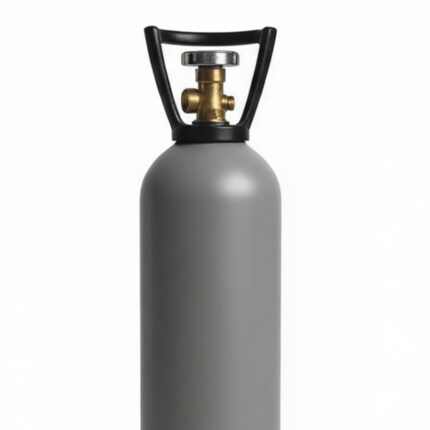
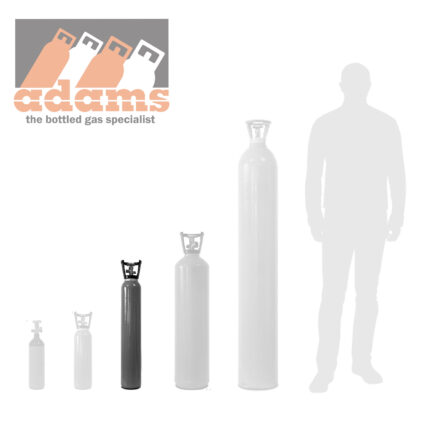
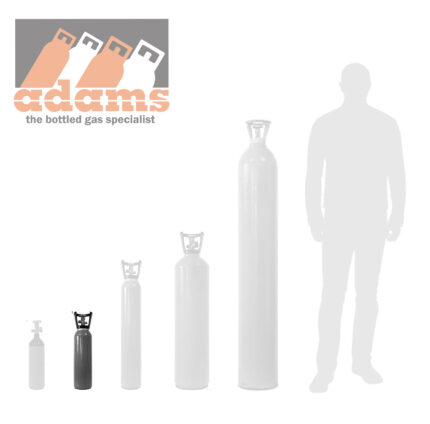
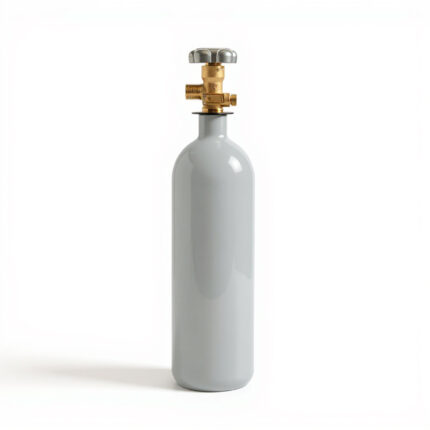
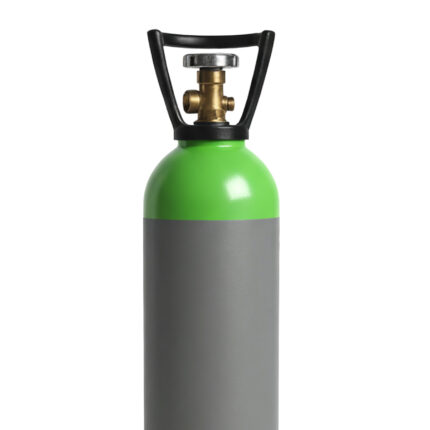
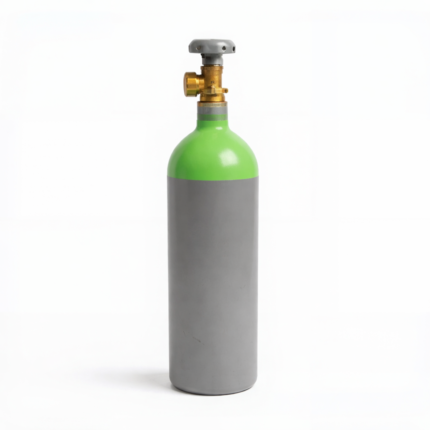
Cellar Gas Mix 70/30% for Home Bars and Business. 10L Cylinder filled to 200 Bar. Food Grade Quality

More about Home Bar Gas
What Is Home Bar Gas?
Gas for home bars, kegerators and homebrew
Home bar gas is exactly what it sounds like: bottled CO2 or CO2/nitrogen mixed gas sized for a domestic setup rather than a commercial cellar. If you've got a kegerator in the garage, a homebrew keg on the counter, or you're carbonating your own cider or soda water at home, you need the same type of gas a pub uses — just in a cylinder that fits under a worktop rather than a cellar rack. It's popular with homebrewers pushing their own beer through a keg, party hosts running a mini bar for a weekend, and anyone who's bought a kegerator and discovered it needs a proper gas supply to work at all. Have a look at our home bar gas range to see the sizes and gas types stocked for exactly this use.
CO2 vs Mixed Gas For A Home Setup
Pure CO2 or a mixed gas blend?
The gas you need depends on what's in the keg. Pure CO2 for home bar use is the right call for carbonating drinks from scratch — sodas, sparkling water, homemade cider — and it also works for many keg beers, particularly ones served cold and fast where a bit of extra fizz picking up over time isn't an issue. Where pure CO2 falls down is on longer beer lines or beers meant to pour smooth and settled, like lager or stout on nitro: too much straight CO2 and the beer can turn gassy and over-carbonated the longer it sits connected. That's where a mixed gas blend comes in — 30/70 (CO2/nitrogen) suits most keg lagers, and 60/40 is the common choice for a smoother, less fizzy pour on certain ales and stouts. If you're not sure which applies to your beer, our beer and cellar gas guide breaks the blends down by drink type, and the beer cellar gas range lists every mix we stock if your setup is closer to a small pub cellar than a home bar.
Choosing A Cylinder Size For Home Use
Picking the right size cylinder
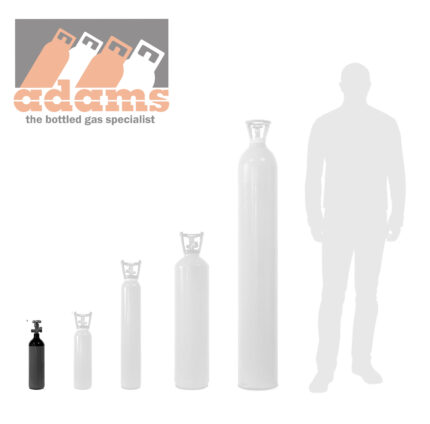
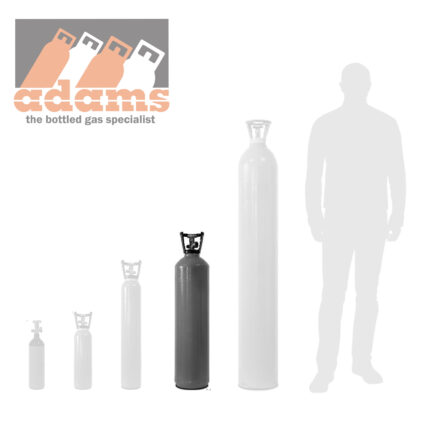
Home setups don't need commercial-scale cylinders, and buying too big just means a heavy bottle taking up space you don't have. Pure CO2 for a home bar comes in 1.5kg, 3.15kg, 6.35kg and 15kg sizes — a 1.5kg or 3.15kg bottle is plenty for occasional carbonating or a single kegerator used a few times a month, while a 6.35kg or 15kg cylinder suits a home bar in regular use or someone running more than one keg. Mixed gas for home draught comes in 2L and 10L cylinders (measured by water capacity rather than gas weight, which is the normal convention for these blends) — a 2L bottle is a sensible starting point for a first kegerator, and a 10L steps up for a bar that sees more traffic. If you're weighing up your first purchase, our CO2 bottle comparison guide walks through sizing against how often you actually use the setup, which is the detail most people get wrong on a first order.
Buying Outright — No Rental Account Needed
No rental account, no contract
Pub and commercial cellar gas usually comes through a rental agreement — you don't own the cylinder, you're tied to a supplier, and there's often a minimum term or an empty-cylinder deposit hanging over the account. None of that applies to a home setup. Every cylinder in our home bar CO2 suppliers range is sold outright: you own the bottle, there's no ongoing account, and no rental paperwork to sign. All gas is food-grade, so it's safe for direct contact with drinks, whether that's carbonating water or pushing a keg. When the cylinder runs low, you simply order a replacement or exchange — no phone call to a rep, no annual contract renewal, and nothing tying you to buying from the same place next time if you don't want to.
Ordering And Getting Set Up
Getting your home bar running
Setting up a home bar with your own gas is straightforward: pick pure CO2 or a mixed blend based on what you're serving, choose a cylinder size that matches how often you'll use it, and connect it to your kegerator or dispense system with the right regulator for the fitting. Most first-time buyers start small — a 1.5kg or 2L cylinder — and step up once they know how long a bottle actually lasts them, since usage varies a lot between someone popping open a keg for a weekend and a home bar in near-daily use. Every cylinder ships ready to connect, with no rental sign-up or waiting on an account to be set up first. Browse the full home bar gas suppliers range to compare sizes and gas types side by side, or check the guides linked above if you're still deciding between pure CO2 and a mixed blend before you order.
Online store of household appliances and electronics
Then the question arises: where’s the content? Not there yet? That’s not so bad, there’s dummy copy to the rescue. But worse, what if the fish doesn’t fit in the can, the foot’s to big for the boot? Or to small? To short sentences, to many headings, images too large for the proposed design, or too small, or they fit in but it looks iffy for reasons.
A client that’s unhappy for a reason is a problem, a client that’s unhappy though he or her can’t quite put a finger on it is worse. Chances are there wasn’t collaboration, communication, and checkpoints, there wasn’t a process agreed upon or specified with the granularity required. It’s content strategy gone awry right from the start. If that’s what you think how bout the other way around? How can you evaluate content without design? No typography, no colors, no layout, no styles, all those things that convey the important signals that go beyond the mere textual, hierarchies of information, weight, emphasis, oblique stresses, priorities, all those subtle cues that also have visual and emotional appeal to the reader.
