Blog
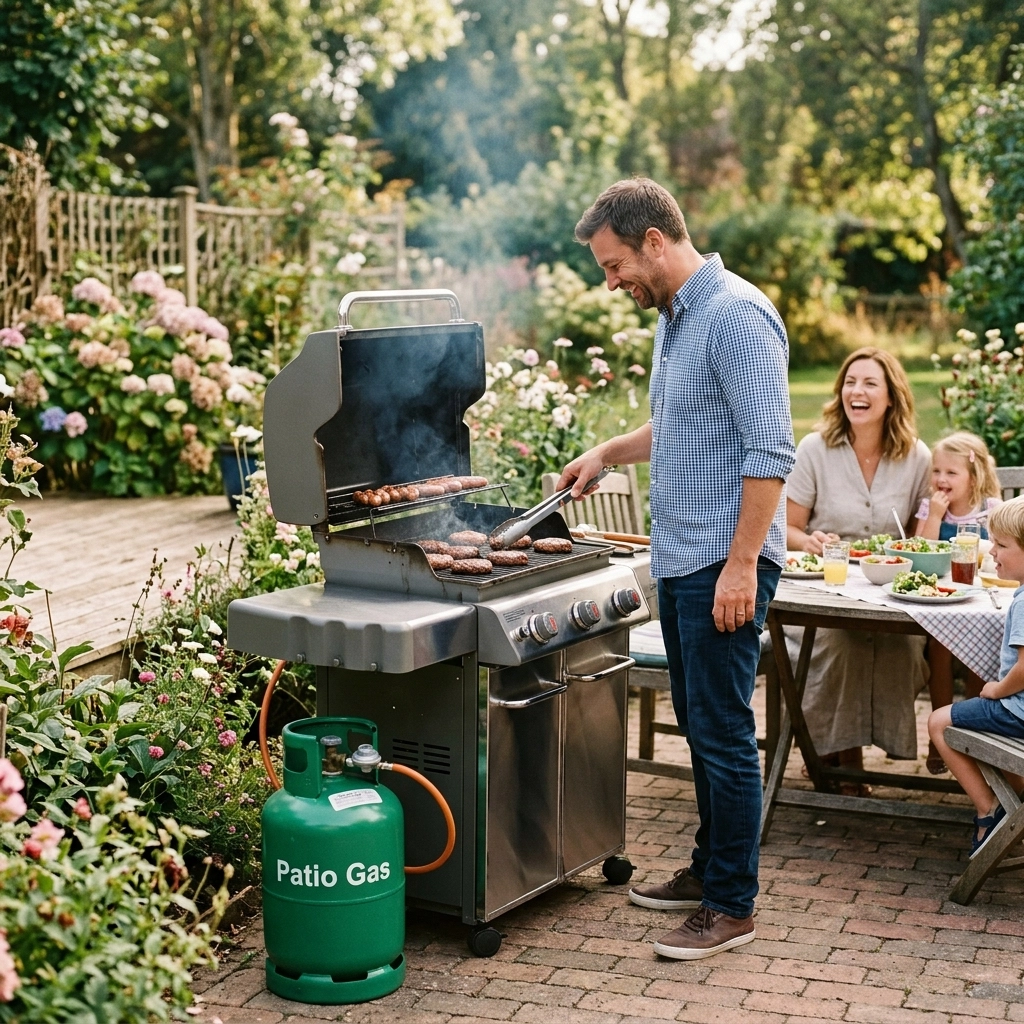
How to Choose the Best Barbecue Gas Bottle (Propane vs Patio Gas)

How to Choose the Best Barbecue Gas Bottle
Have you ever stood in the garden, tongs in hand and guests hovering nearby, only to realize your BBQ flame is flickering out? Or perhaps you’ve stared at a row of red and green cylinders at the shop, wondering if picking the wrong one might actually be a safety hazard? Choosing the right gas bottle for your barbecue feels like it should be simple, yet the jargon, Propane, Butane, Patio Gas, regulators, and kg ratings, can make your head spin faster than a rotisserie chicken.
At Bottle Gases, we believe that getting your grill going shouldn’t feel like a chemistry experiment. Whether you’re a weekend burger flipper or a serious outdoor chef, picking the right fuel is the difference between a perfectly seared steak and a cold, disappointing sausage.
In this guide, we’re going to strip away the confusion. We’ll compare Propane and Patio Gas, explain why size actually matters, and show you why the “no recurring rental fees” model is a breath of fresh air for your wallet.
Propane vs. Butane: The Science of the Sizzle
Before we dive into the “Patio Gas” label, we need to talk about the two main players in the LPG (Liquid Petroleum Gas) world: Propane and Butane. Think of them like different grades of fuel for your car; they both get the job done, but they perform very differently depending on the “road conditions.”
The Temperature Trap
If you’ve ever tried to use a gas heater on a freezing November night and found it struggling, you’ve likely met the limitations of Butane. Butane has a boiling point of around -2°C. While that sounds cold, it means that once the outside temperature drops near freezing, the liquid gas inside the bottle can’t turn into a gas effectively.
Propane, on the other hand, is the “Winter Warrior.” It boils at a staggering -42°C. This means that even if you’re brave enough to host a Christmas BBQ in the British snow, your gas will flow perfectly.
The Verdict: For almost all UK barbecue enthusiasts, Propane is the gold standard. It’s reliable, high-pressure, and won’t let you down when the sun goes behind a cloud.

What Exactly is “Patio Gas”?
This is where the confusion usually starts. You’ll see red bottles labeled “Propane” and green bottles labeled “Patio Gas.” Are they different gases?
The short answer is: No.
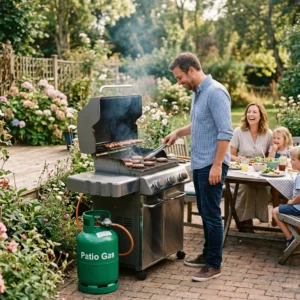
“Patio Gas” is simply Propane that has been put into a specific type of bottle designed for convenience. Think of it like buying the same water in a sports cap bottle versus a screw-top bottle. Here is how they differ:
- The Valve: Standard red Propane bottles usually require a screw-in regulator (which often needs a spanner). Patio Gas bottles almost always feature a “Clip-on” valve (usually 27mm). This makes connecting your BBQ as easy as snapping a lid onto a plastic container.
- The Aesthetic: Patio Gas bottles are typically green, designed to look a bit more “at home” next to your garden furniture than the industrial-looking red cylinders.
- The Purpose: They are marketed specifically for BBQs and patio heaters.
If you’re a DIY enthusiast who uses gas for MIG welding, you might be used to heavy-duty cylinders. Patio Gas is the “consumer-friendly” version of that industrial power.
Sizing Up Your BBQ Needs: 5kg or 13kg?
One of the biggest frustrations is buying a bottle that is either too heavy to move or runs out halfway through a bank holiday weekend.
Let’s look at a scenario. Imagine Dave. Dave has a standard 3-burner BBQ and likes to cook for his family twice a week during the summer. If Dave buys a small 5kg bottle, he’s going to be heading back for a refill much sooner than he thinks.
Here is a quick rule of thumb for choosing your weight:
- 5kg Patio Gas Bottle: Perfect for small, portable BBQs or 2-burner models. If you have limited storage space or need to carry the bottle to a campsite, this is your best bet.
- 13kg Patio Gas Bottle: The “set and forget” choice for most 3-burner to 6-burner family BBQs. It’s heavier, but it offers much better value for money and lasts significantly longer. It’s the “lifeline” of a busy summer garden.

The Regulator Riddle: Don’t Get Caught Out
You’ve bought the BBQ, you’ve bought the meat, and you’ve got the gas bottle. You go to connect them, and… they don’t fit. This is the “Regulator Riddle.”
A regulator is the device that controls the flow of gas from the high-pressure bottle to the low-pressure BBQ.
- Red Propane Bottles: Usually take a screw-on regulator (POL fitting).
- Green Patio Gas Bottles: Usually take a 27mm clip-on regulator.
Before you order your gas, look at the hose attached to your BBQ. If it has a wide, circular plastic “clip” at the end, you need Patio Gas. If it has a metal nut that looks like it needs a wrench, you likely need standard LPG Propane. If you’re unsure, you can check out our range of gas regulators and equipment to find the perfect match.
Why the “Bottle Gases” Way Saves You Money
In the UK gas market, many suppliers operate on a “rental” or “contract” basis. You don’t just pay for the gas; you pay a recurring fee to keep the bottle. This can feel like a hidden tax on your hobby.
We do things differently. Our USPs are designed to put the power back in your hands:
- No Recurring Rental Fees: When you get a bottle from us, you aren’t tied into a monthly “subscription” just to have a cylinder sitting in your shed.
- Competitive Pricing: We keep our costs low so you can spend more on the ribeye steaks and less on the fuel to cook them.
This transparency is why we’ve become a trusted name for everything from helium gas for balloons to food-grade nitrogen. We believe you should pay for what you use, not for the privilege of owning a piece of metal.
Safety: The Non-Negotiable Part
We know, safety talk can be a bit of a “party pooper,” but handling pressurized gas requires respect. Here’s how to keep your BBQ season accident-free:
- The Soapy Water Test: If you smell gas or suspect a leak, spray some soapy water on the connections. If it bubbles up like a kid’s toy, you have a leak. Tighten the connection or replace the seal.
- Keep it Upright: Never lay your gas bottle on its side while in use. It’s designed to pull gas from the top; laying it down can cause liquid gas to enter the regulator, which is a big no-no.
- Ventilation is King: Never, ever use your BBQ or patio heater inside a garage or tent. Carbon monoxide is silent and invisible, and it doesn’t care about your party plans.
Beyond the Grill: A World of Gas
While you might start your journey with us looking for a way to cook burgers, many of our customers realize that Bottle Gases is a one-stop shop for all their gas needs.
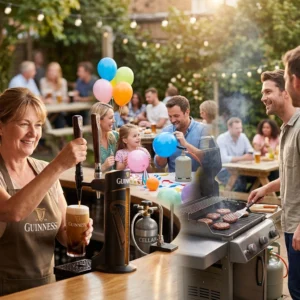
Are you a pub owner looking for beer and cellar gas? Or perhaps an event planner needing helium for a grand opening? We even supply specialist TIG welding gas for the makers and creators out there.
Choosing the right gas bottle is the first step in a much larger world of industrial and hobbyist applications.
Making the Final Call
So, what’s the verdict?
If you want the easiest, most reliable experience for your garden BBQ, Propane Patio Gas (the green bottle) is your winner. It works in all weather, clips on in seconds, and provides a steady, powerful flame.
Don’t let the confusion of gas types dampen your summer spirits. Choose a size that fits your lifestyle: 5kg for the occasional griller or 13kg for the neighborhood BBQ king: and ensure your regulator is the right match.
Ready to get the fire started? Check out our full range of BBQ and LPG gas bottles today. Your grill will thank you!