
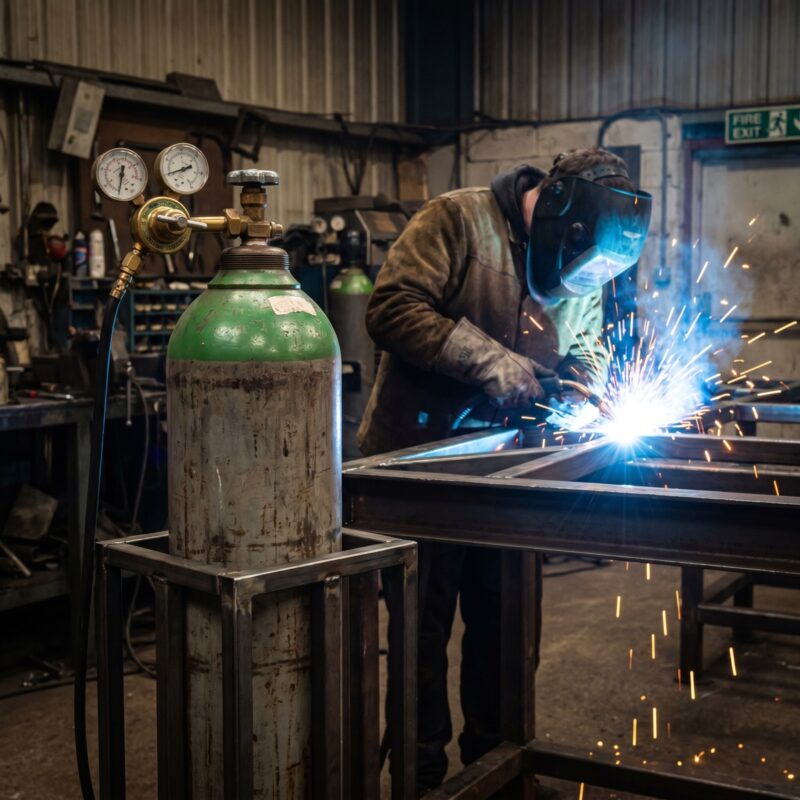
Welding Gas Guide - MIG, TIG & Oxy Fuel
MIG welding has grown in popularity in recent years, thanks to the speed and ease of use it presents. We supply CO2/Argon mixes, pure argon for TIG, and oxy-fuel gases for cutting, brazing and heating — refillable, rent-free.
Shop welding gas and setup parts
Woodmart product cards stay native here, so prices, options and add-to-basket behaviour remain consistent across the shop.
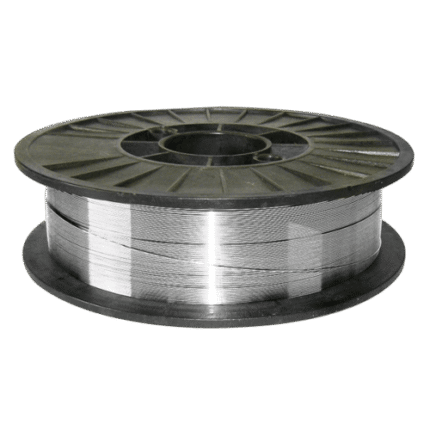
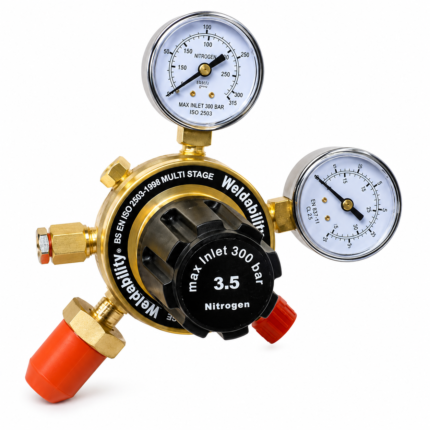
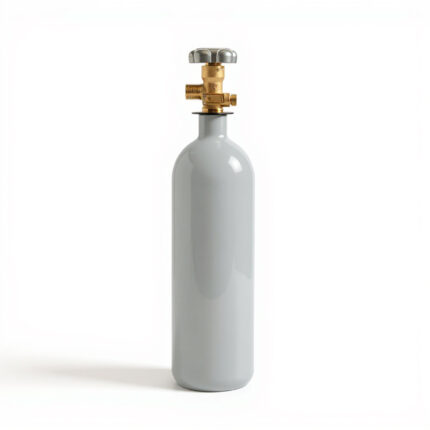
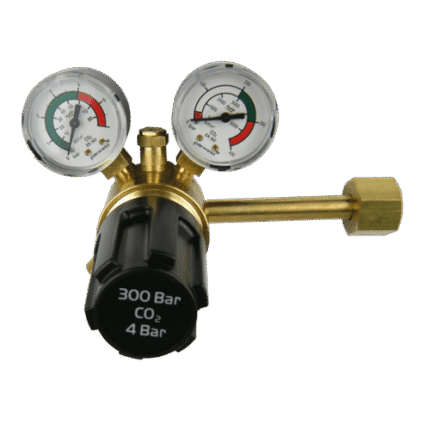
Welding gas bottles for MIG, TIG and oxy fuel work
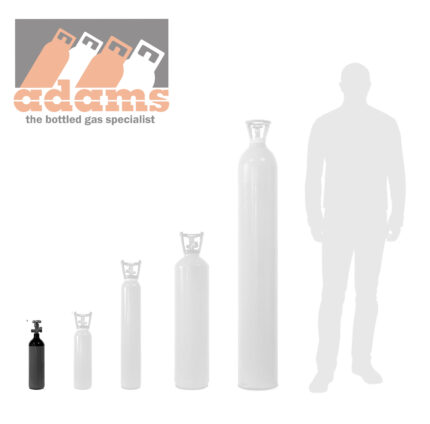
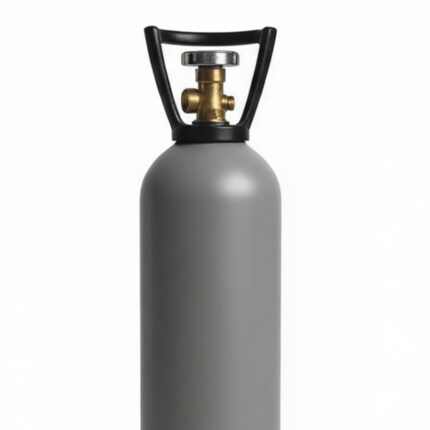
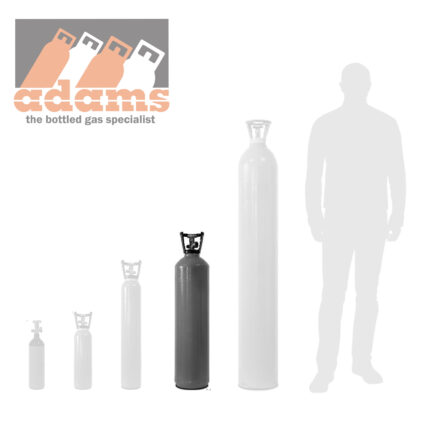
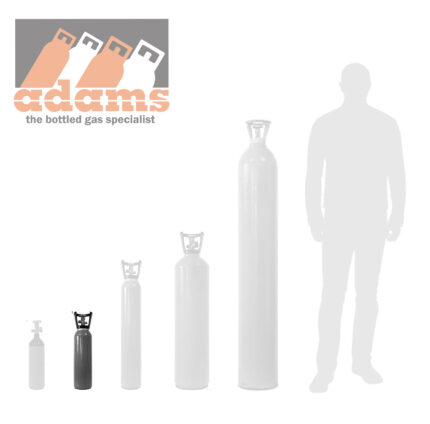
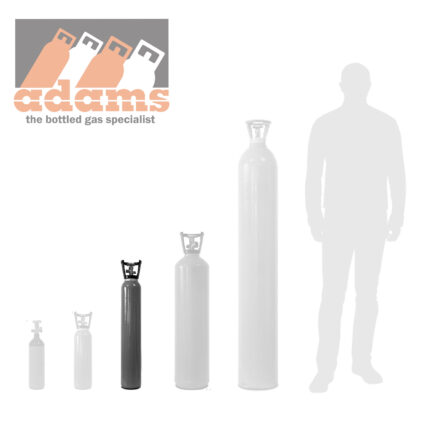
As welding gas suppliers, we have fine-tuned our offering to include products suitable for every requirement, whether you are a hobbyist or a professional welder. Choose from 2L cylinders for easy portability, 10L cylinders well suited to hobbyists, 20L cylinders for professional welders, and 50L cylinders for industrial applications. All cylinders are refillable, with no charge for bottle rental, environmental charges or cylinder collection fees — deposits are fully refundable on return at any time.
For MIG welding we stock four CO2/argon mixes — a 2% CO2 / Argon for low-spatter welds on steel up to 10mm, 5% CO2 / Argon for thin material up to 6mm, 12% CO2 / Argon for 4–10mm steel with deeper penetration, and 20% CO2 / Argon for 6–14mm steel where arc stability matters more than spatter. Pure argon remains the default for TIG work on stainless, copper, aluminium and brass, and our oxy-fuel range covers propylene, propane and oxygen for cutting, brazing and heating where acetylene used to be the only choice.
Common questions
Compact FAQ content supports long-tail searches and answers buying objections before checkout.
Which CO2/Argon mix should I use for MIG welding?
Use a 2% CO2 / Argon mix for steel up to 10mm for low spatter and clean welds. 5% CO2 / Argon is best for thin steel up to 6mm. 12% CO2 / Argon (75–95% argon) suits 4–10mm steel with deep penetration. 20% CO2 / Argon gives strong arc stability on 6–14mm steel but more spatter.
Can I use pure argon for MIG welding?
Pure argon is best used when welding aluminium or MIG brazing copper. It can be used as a last resort on steel, but weld quality is often lower than with a mixed CO2/argon cylinder. Our 100% argon cylinders also work as TIG welding gas.
Why is argon used as a shielding gas for TIG welding?
Argon is chemically inert, non-flammable and non-corrosive, so it protects the weld pool from oxidation. It produces a thin, high-current-density arc giving deep, precise penetration and a cleaner weld. It is heavier than helium so flow rates stay lower.
Should I switch from acetylene to propylene for oxy-fuel cutting?
Yes — compared to acetylene you typically see lower cost, fewer cylinder changes, improved cut quality, faster speeds and higher vapour pressure in cold temperatures. Propylene also burns cleaner and suits hand and machine cutting, flame hardening, soldering, pre-heating, stress relieving, metalising and welding.