
CO2 for Sodastream
Showing all 3 resultsSorted by popularity
More about CO2 for Sodastream
CO2 for SodaStream and small-cylinder filling, explained
Larger CO2 cylinders for topping up your own bottles
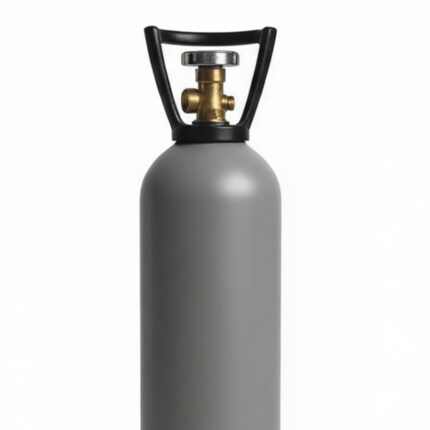
The CO2 for SodaStream range on this page isn't a small disposable bottle — it's a larger, refillable cylinder of food grade CO2 (3.15kg, 6.35kg or 15kg) intended for one job: filling or topping up your own small SodaStream-style bottles at home, rather than buying a new small bottle every time yours runs dry. Because the gas is food-grade E290 quality, it's suitable for carbonating drinking water and soft drinks, the same standard used in catering and hospitality. These cylinders are sold outright — there's no rental agreement, no swap scheme and no ongoing contract, so once it's yours it's yours. If you're weighing up cylinder-and-fill against constantly replacing small disposables, our guide Stop Overpaying for Fizz lays out the thinking in more detail.
Why refilling beats buying disposables every time
The cost logic behind small-cylinder filling
Every time you exchange or buy a small carbonation bottle at retail, you're paying for gas, packaging and a margin baked into a single-use-feeling purchase. A larger CO2 cylinder flips that: you buy the gas once, in bulk, and use it to refill SodaStream cylinder bottles yourself as needed, rather than paying the retail markup on every small bottle swap. It suits households who get through fizzy water regularly and would rather hold a stock of gas at home than make repeat trips or repeat online orders for small bottles. It's worth being clear-eyed here: we don't publish exact fill counts, because how many top-ups you get depends on your bottle size, your equipment and how much you draw off each time — but the principle of buying gas in a larger, cheaper unit rather than in small retail-priced portions is the same one that applies to any bottled gas. Our step-by-step piece on refilling your SodaStream gas cylinders for less walks through the practical side of doing this safely at home.
The dip tube option — what it is and when you need it
Dip/siphon tube: only needed for liquid draw-off
Our 6.35kg cylinder is available with a built-in dip (siphon) tube fitted internally. A standard CO2 cylinder draws off gas from the top of the vessel; a dip tube reaches down into the liquid CO2 at the bottom and draws it off as liquid instead. This matters because some small-cylinder filling equipment and adapters are designed to receive liquid CO2, which then flashes to gas as it's transferred — and without a dip tube, that kind of transfer simply isn't possible from a standard cylinder. If you're not sure whether your filling setup needs liquid or gas draw-off, check the instructions that came with your adapter or filling kit before ordering, since fitting the wrong cylinder type won't get you a working fill. Not every small-cylinder filling method needs a dip tube — plenty work fine drawing gas from a standard cylinder — so treat the 6.35kg dip tube option as a specific-purpose choice rather than a default upgrade. Our comparison of screw-in vs quick-connect cylinders covers fitting compatibility in more depth if you're unsure what your machine takes.
Choosing the right size for your household
3.15kg, 6.35kg or 15kg — matching cylinder to usage
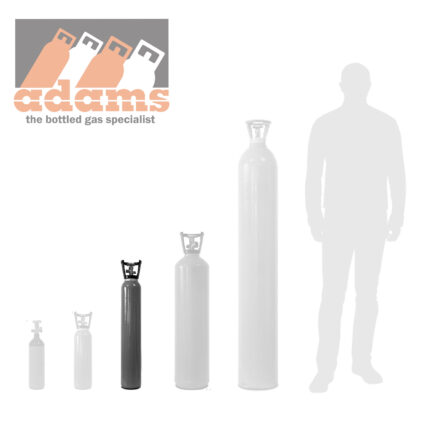
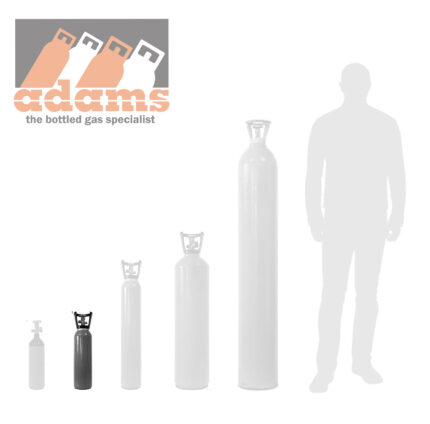
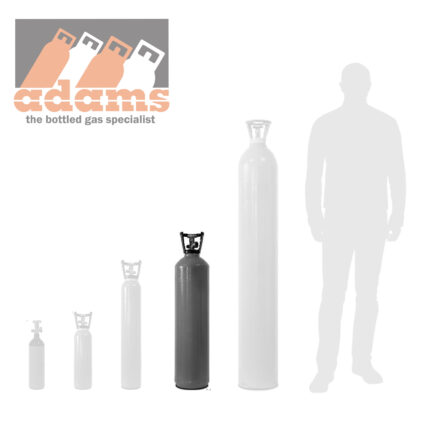
The 3.15kg cylinder (£36.35) is the smallest step up from single-bottle buying — a reasonable starting point if you're new to refilling and want to try it without committing to a larger, heavier cylinder. The 6.35kg option (£48.20, available with the dip/siphon tube for liquid draw-off) suits households doing this regularly, and is the one to pick if your filling equipment specifically calls for liquid CO2. The 15kg cylinder (£89.80) is the largest on this page and holds the most gas per pound spent, which suits anyone filling multiple small bottles across a household, or simply wanting to minimise how often they need to think about it — bear in mind it's also the heaviest and bulkiest to store and handle. If you're carbonating from a fitted kitchen tap rather than a countertop machine, the considerations differ slightly — our guide to Grohe Blue vs SodaStream CO2 is worth a read before you choose.
Prefer not to fill it yourself? Our refill service, and ordering
Send us your empties, or order a cylinder for collection or delivery
Not everyone wants to handle a filling transfer themselves, and that's fine — alongside the cylinders on this page, we also run a straightforward SodaStream CO2 refill service where you send us your empty small bottle and we send it back full, no equipment or DIY transfer required on your end. It's a good middle option if you like the cost savings of refilling over buying new but would rather leave the actual fill to us; see CO2 refill up to 425 grams with delivery for details and pricing. If you do want to fill your own bottles at home, browse the full CO2 for SodaStream range above to compare the 3.15kg, 6.35kg and 15kg cylinders side by side and pick the size that matches how much fizzy water your household gets through. All are dispatched from stock, sold outright with no rental commitment attached.
Online store of household appliances and electronics
Then the question arises: where’s the content? Not there yet? That’s not so bad, there’s dummy copy to the rescue. But worse, what if the fish doesn’t fit in the can, the foot’s to big for the boot? Or to small? To short sentences, to many headings, images too large for the proposed design, or too small, or they fit in but it looks iffy for reasons.
A client that’s unhappy for a reason is a problem, a client that’s unhappy though he or her can’t quite put a finger on it is worse. Chances are there wasn’t collaboration, communication, and checkpoints, there wasn’t a process agreed upon or specified with the granularity required. It’s content strategy gone awry right from the start. If that’s what you think how bout the other way around? How can you evaluate content without design? No typography, no colors, no layout, no styles, all those things that convey the important signals that go beyond the mere textual, hierarchies of information, weight, emphasis, oblique stresses, priorities, all those subtle cues that also have visual and emotional appeal to the reader.
