Blog

The Ultimate Guide to Bottled Gases Disposable vs Refillable

Ever stood in front of a gas bottle aisle feeling completely lost? Or found yourself Googling “which gas do I actually need?” at 10 PM the night before your daughter’s birthday party? You’re not alone. The world of bottled gases can feel like a maze of confusing cylinders, cryptic labels, and rental agreements that read like mortgage documents.
Here’s the good news: getting the right gas for your needs, whether you’re filling balloons, firing up the BBQ, or running a professional welding operation, doesn’t have to be complicated. Let’s break down everything you need to know about bottled gases in the UK, from helium to welding mixtures and everything in between.
Understanding Bottled Gas: Disposable vs Refillable
Think of gas bottles like mobile phone contracts. You’ve got two main options: pay-as-you-go disposables or the refillable route.
Disposable gas bottles are your one-and-done solution. Use them, bin them (responsibly), done. They’re brilliant for occasional users, that annual garden party, a weekend camping trip, or a one-off welding project in the garage. No commitments, no rental fees lurking in the background, no return trips. Just straightforward convenience.
Refillable cylinders are more like having your own reusable water bottle. Higher upfront cost, sure, but if you’re a regular user, say you’re running a pub, doing welding professionally, or you’ve got a serious balloon decoration business, they quickly pay for themselves. Plus, you’re doing the planet a favour by reducing waste.
The brilliant bit? With suppliers offering both options without those pesky recurring rental fees, you can choose what actually suits your life rather than what suits their billing department.
Helium Gas: Making Celebrations Float
Remember the panic when you realise you’ve got 50 balloons and no way to fill them? Whether you’re organising a wedding, corporate event, or just want to see your kid’s face light up, helium canisters are your secret weapon.
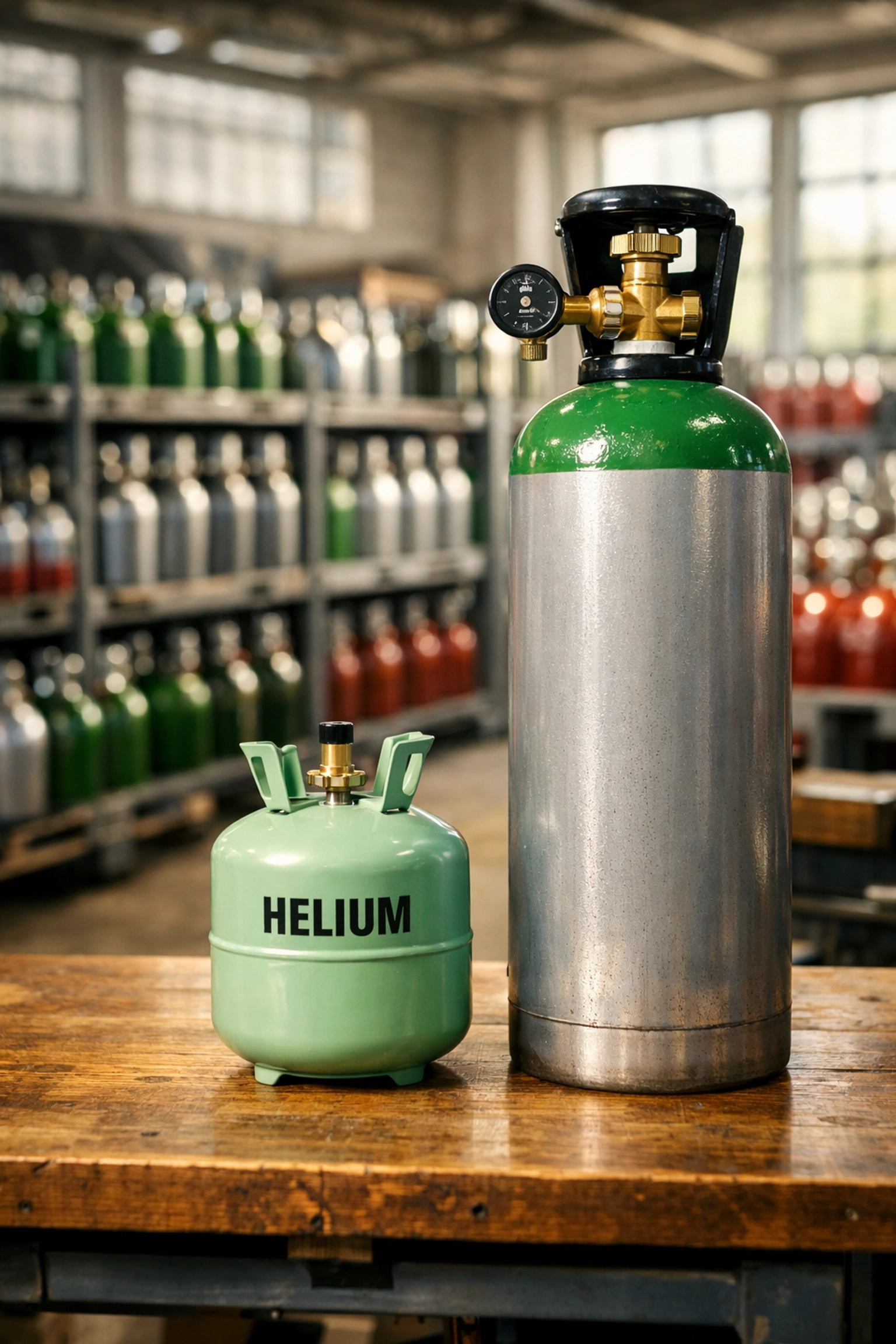
Disposable helium bottles come in various sizes, typically ranging from 0.95L (perfect for about 10 standard balloons) up to 3.3L bottles that’ll handle around 45 balloons. Here’s what most people don’t realise: the actual number depends on how much you inflate each balloon. Proper balloon artists can stretch these numbers even further.
For event planners and party businesses, refillable helium cylinders make more economic sense. You’re looking at larger formats, 9.4L or 20L cylinders, that can fill hundreds of balloons. The beauty of buying rather than renting means no frantic phone calls about pickup times or surprise fees when you need an extra day.
Pro tip: Store helium bottles upright in a cool, dry place away from direct sunlight. They’re perfectly safe when handled properly, but like any compressed gas, they deserve respect. And no, breathing helium for that squeaky voice thing isn’t worth the dizziness, trust us on this one.
Industrial Gases: Welding Like a Pro
If you’ve ever watched a skilled welder at work, it’s almost like watching an artist. But behind that precision work is the right gas mixture making it all possible.

MIG Welding Gas: The Workshop Essential
MIG welding gas is typically a mix of argon and CO₂, though pure CO₂ works for some applications. The argon/CO₂ blend (usually 80/20 or 88/12) gives you that smooth, clean weld with minimal spatter. It’s like having premium fuel in your car, the job just runs better.
Whether you’re a professional fabricator or a weekend warrior with a home workshop, getting your own bottles beats rental schemes hands down. No depot visits, no time pressure, no wondering if you’ll face a penalty because you kept it two days longer than planned. Just reliable gas when you need it.
TIG Welding and Pure Argon
For precision TIG welding or working with aluminium, you’ll want pure argon. It’s the difference between a rough sketch and a masterpiece. The inert properties of argon protect your weld pool from contamination, giving you those picture-perfect results that make other welders jealous.
CO₂ Bottles: More Than Just Fizzy Drinks
Carbon dioxide is the unsung hero of modern convenience. Sure, everyone knows it makes your SodaStream drinks sparkle, but CO₂ bottles have a surprising range of uses that stretch far beyond the kitchen counter.
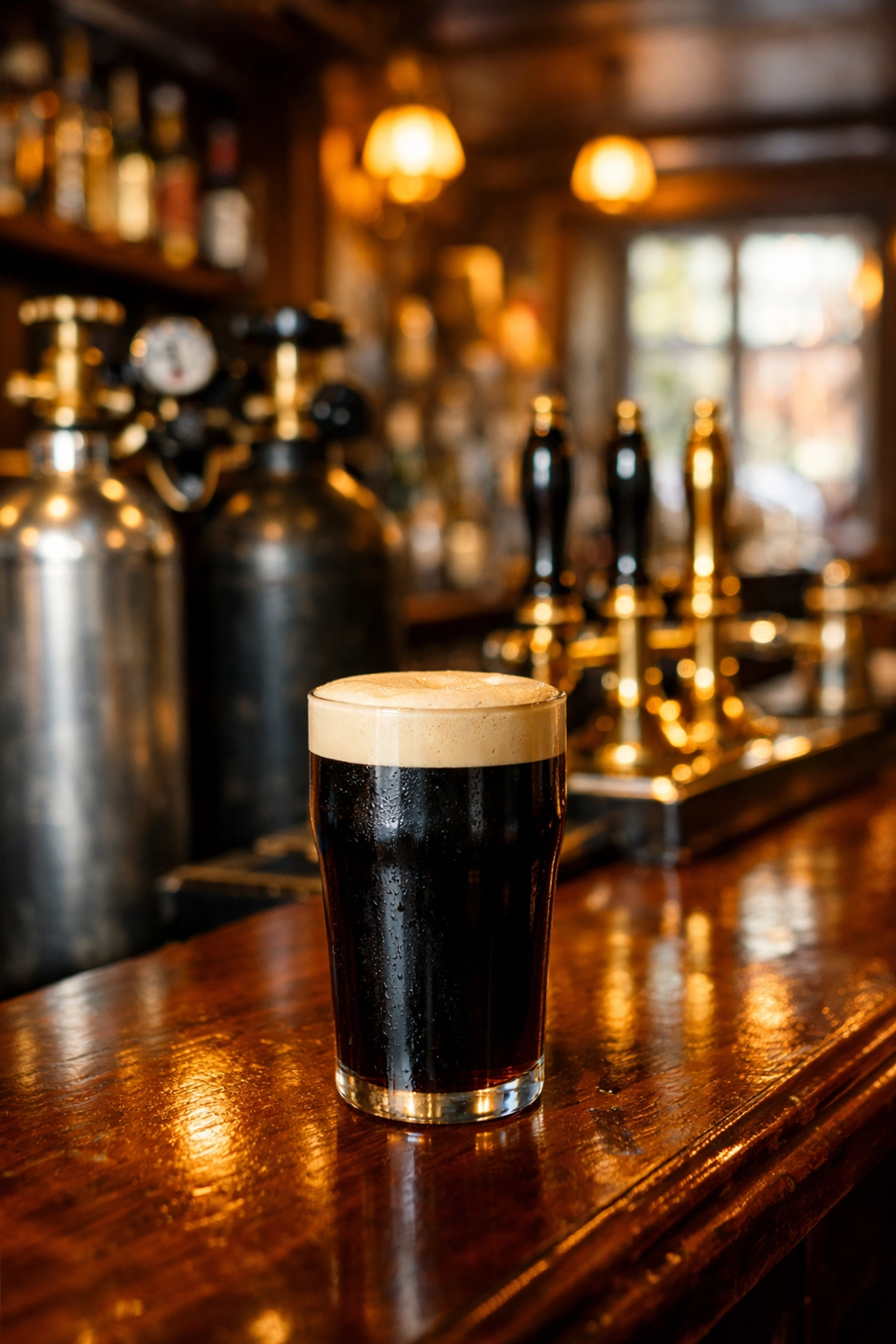
For pub owners and home bar enthusiasts, beer gas (which is actually a CO₂ and nitrogen blend) is what stands between you and flat, disappointing pints. The right mix gives you that perfect creamy head on a Guinness or keeps your lager crisp and refreshing. Many landlords have discovered that the deposit on their gas bottles rather than renting means one less monthly bill to worry about, and in the hospitality game, every saving counts.
CO₂ also plays a starring role in paintball, aquarium maintenance (for those lush planted tanks), and even food preservation. It’s versatile stuff.

Nitrogen Cylinders: The Silent Achiever
Nitrogen doesn’t get the spotlight that helium or welding gases do, but it’s quietly essential across dozens of applications. From air conditioning systems to tyre inflation (yes, your high-end car probably runs on it), nitrogen’s inert properties make it invaluable.
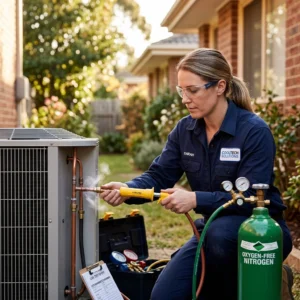
For HVAC engineers, nitrogen is crucial for pressure testing and purging systems. It’s clean, dry, and won’t react with components, basically the perfect gas for sensitive equipment. Food-grade nitrogen also preserves wine after opening and extends the shelf life of packaged foods by displacing oxygen.
The beauty of having your own nitrogen supply means you’re never caught short on a job. No “sorry, the depot’s closed” excuses when a client needs work done on a Sunday.
LPG: BBQ, Patio Heating, and Beyond
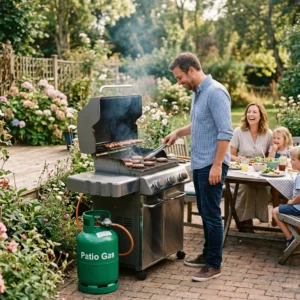
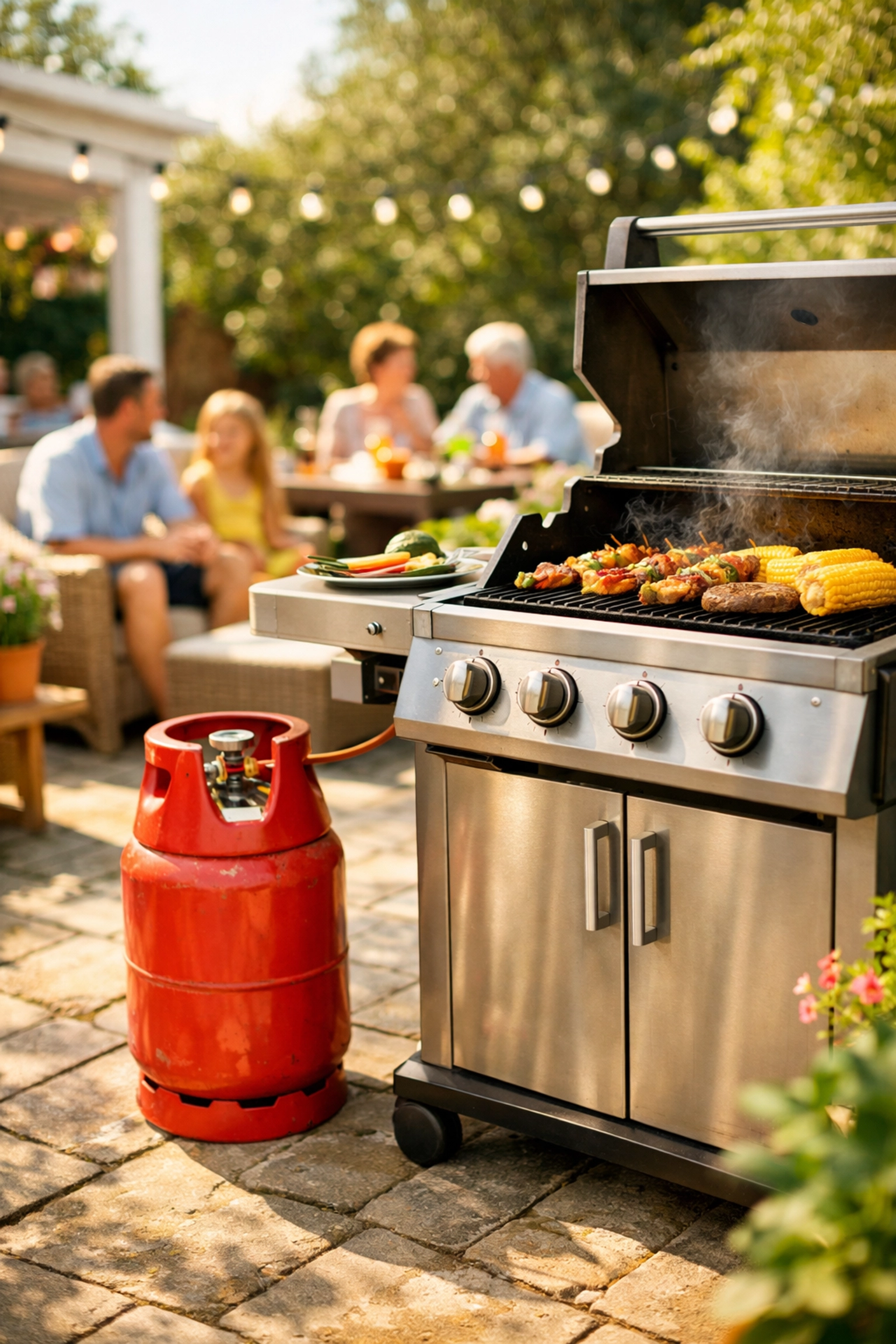
Let’s be honest: BBQ and patio gas probably affects more UK households than any other bottled gas. Whether it’s propane for the Weber or butane for a camping stove, LPG is the backbone of outdoor living.
Propane works brilliantly in cold weather (it vaporises down to -42°C, though thankfully UK winters don’t quite reach that), making it perfect for patio heaters and BBQs year-round. Butane, meanwhile, is ideal for indoor portable heaters and camping equipment during warmer months.
A standard 13kg propane bottle will run a typical BBQ for about 15-20 hours of cooking time: that’s an entire summer of weekend grilling for most families. And with bottles you own rather than rent, you can stock up with a spare and never face that heart-sinking moment when the gas runs out mid-burger flip.
Why Buying Beats Renting: The Real Cost of “Convenience”
Here’s something the big rental companies don’t advertise on their billboards: those “convenient” rental agreements can end up costing you serious money over time.
Monthly rental fees might look small: £5 here, £10 there: but over a year, that’s £60-£120 just for the privilege of using a bottle you don’t own. Multiply that over several years and you’ve paid for the cylinder several times over. Add in the hassle of depot returns, potential late fees, and restricted opening hours, and the “convenience” starts looking pretty inconvenient.
Putting a deposit on your bottles with nationwide delivery means:
- No recurring fees eating into your budget
- Keep them as long as you need
- No depot runs cutting into your weekend
- Refills delivered to your door when needed
- One less direct debit to monitor
Choosing the Right Gas Supplier
Not all gas suppliers are created equal. Here’s what actually matters when you’re choosing where to buy:
Transparency – Can you easily see what you’re paying for, or is pricing hidden behind “request a quote” forms? Good suppliers put their cards on the table.
Range – Whether you need disposable helium for a kid’s party or industrial-grade argon for professional welding, having everything in one place saves time and usually money.
Delivery – Nationwide coverage isn’t just convenient; it’s essential. Gas bottles are heavy and awkward. Having them show up at your door rather than lugging them from a depot is worth its weight in… well, gas cylinders.
Support – When you’re not sure if you need 80/20 or 90/10 argon/CO₂ mix, speaking to someone who actually knows their stuff rather than reading from a script makes all the difference.
Safety and Storage: The Basics That Matter
Look, we’re not going to bore you with pages of safety regulations, but a few basics will keep you and your gas bottles happy:
- Store upright in a well-ventilated area
- Keep them cool – away from direct heat sources
- Secure them properly so they can’t fall over
- Check for leaks with soapy water (bubbles = problem)
- Propane stays outside – always, no exceptions
- Know your regulators – different gases need different equipment
Gas bottles are remarkably safe when treated with common sense. Millions of people use them daily without incident. Just don’t do anything daft like storing them in a boiler cupboard or next to a bonfire, and you’ll be fine.
Getting Started: Your Next Steps
Whether you’re planning your first event with helium balloons, setting up a home workshop, or running a professional operation, getting the right gas shouldn’t feel like solving a puzzle.
Start by identifying exactly what you need. Party coming up? Helium canisters sorted. Building a fabrication business? MIG welding gas is your foundation. Running a pub? Beer gas keeps the taps flowing.
The beauty of today’s gas supply market is that you’ve got options that actually fit your needs rather than forcing you into rigid rental contracts. Buy what you need, use it when you need it, and keep your money for things that matter rather than rental fees that don’t.
After all, gas bottles are tools: they should make your life easier, not more complicated. And with the right supplier handling the logistics while you get on with actually using them, that’s exactly what they’ll do.