Cart 0

25 Examples of Gases in Everyday Life You’ve Never Thought Of
Have you ever stopped to think about the invisible forces keeping your world running smoothly? From the moment you wake up to when you drift off to sleep, gases are working silently in the background: keeping your food fresh, your drinks fizzy, and your home warm.
Most people don't give gases a second thought. They're invisible, after all. But once you start looking, you'll find examples of gases in everyday life absolutely everywhere. Let's explore 25 fascinating ways gases shape your daily routine: some might genuinely surprise you.
Gases You Breathe and Use Every Day
1. Oxygen (O₂) – The Obvious One
We'll start with the most essential. You take roughly 20,000 breaths daily, each one pulling life-sustaining oxygen into your lungs. But oxygen does far more than keep you alive: it's used in hospitals for patients with respiratory conditions, in welding workshops to create hotter flames, and even in fish tanks to keep aquatic life thriving.
2. Nitrogen (N₂) – The Silent Majority
Here's a fact that catches most people off guard: 78% of every breath you take is nitrogen. This colourless, odourless gas is genuinely everywhere. HVAC engineers use it for air conditioning system purging, food manufacturers pump it into crisp packets to prevent crushing, and coffee shops use it to create that trendy nitro cold brew.
3. Carbon Dioxide (CO₂) – More Than Just Bubbles
That satisfying fizz in your lemonade? That's CO₂ doing its thing. But this versatile gas extends far beyond your SodaStream. UK pubs rely on CO₂ and beer gas to dispense draught beer and lagers at the right pressure, fire extinguishers use it to smother flames safely, and greenhouse growers pump it in to accelerate plant growth (often supplied in practical UK sizes like 1.5kg cylinders).

4. Argon (Ar) – The Invisible Protector
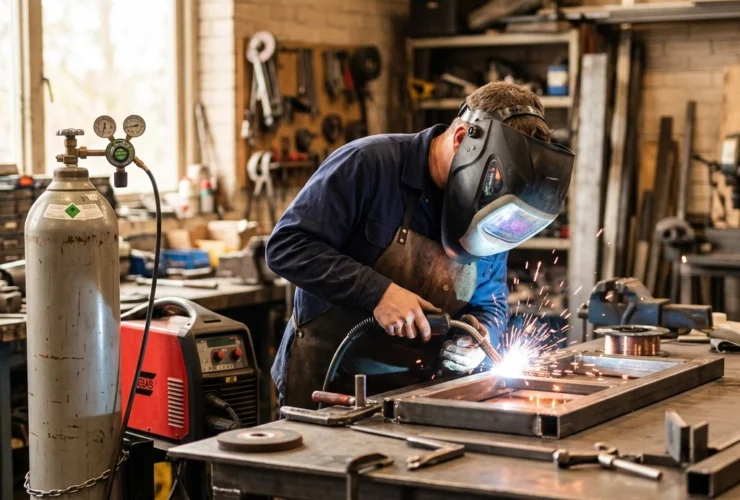
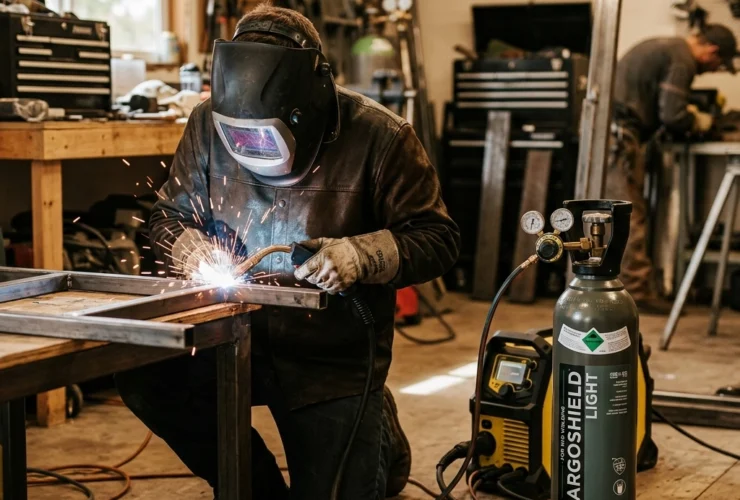
Look up at your ceiling light. Inside that bulb, argon gas surrounds the filament, preventing it from burning out prematurely. This noble gas is also the unsung hero of MIG welding gas, creating a protective shield that keeps molten metal from reacting with air.
5. Water Vapour (H₂O) – Steam's Many Talents
From your morning shower to steam-cleaning your carpets, water vapour works constantly in your home. Steam irons, facial steamers, and industrial autoclaves all harness this simple gas to clean, sanitise, and smooth.
Gases That Power Your Fun
6. Helium (He) – The Party Essential
Nothing says celebration quite like helium balloons floating gracefully toward the ceiling. For UK event planners, schools, and shop openings, helium balloon gas (or smaller helium canisters) in a handy 2L refillable cylinder can turn a room around in minutes.
Beyond parties, helium cools MRI machines and helps scientists achieve temperatures close to absolute zero.
7. Propane (C₃H₈) – The BBQ Champion
When summer arrives, millions of Britons fire up their gas barbecues without considering the remarkable gas making it all possible. Propane burns cleanly at temperatures reaching 1,980°C, making it perfect for searing steaks or caramelising vegetables—especially when you’ve got the right BBQ gas bottle to hand.
8. Butane (C₄H₁₀) – The Portable Powerhouse
That compact camping stove you pack for UK festivals? Butane. The lighter in your kitchen drawer? Also butane. This highly portable gas liquefies easily under pressure, making it ideal for applications where convenience matters most.

9. Nitrous Oxide (N₂O) – Whipped Cream Wonder
Every café serving fresh whipped cream owes a debt to nitrous oxide. This gas dissolves into cream under pressure, then rapidly expands when released, creating that light, fluffy texture we all love. Dentists also use it as "laughing gas" to calm anxious patients.
10. CO₂ for Home Drinks
If you've invested in a home carbonation system, you're already familiar with SodaStream CO2 refills.
Rather than buying endless plastic bottles, you can create sparkling water, homemade tonics, and fizzy cocktails with one simple cylinder—ordered in UK-friendly sizes like 425 grams.
Gases in Your Workshop and Garage
11. Acetylene (C₂H₂) – The Cutting Edge
When metalworkers need to slice through thick steel, acetylene is often their first choice. Combined with oxygen, it produces flames exceeding 3,300°C: hot enough to cut, weld, and braze metals with precision.
12. Argon/CO₂ Mix – The Welder's Best Friend
For MIG welding steel, professional fabricators often choose a 5% CO₂/argon mix. This combination provides excellent arc stability and minimal spatter on materials up to 6mm thick: perfect for automotive repairs and hobby projects alike.
13. Propylene (C₃H₆) – The Versatile Alternative
Not as well-known as acetylene, propylene is gaining popularity for brazing, silver soldering, and heating applications. It offers a safer alternative with impressive heat output for professional and DIY metalwork.
14. Compressed Air – Everyday Workhorse
From inflating your bicycle tyres to powering nail guns on construction sites, compressed air is the invisible muscle behind countless tools. Your local garage uses it to run impact wrenches, while dentists rely on it for their precision equipment.

Gases You Might Not Have Considered
15. Neon (Ne) – The Night-Time Glow
Those iconic glowing signs in pub windows and coffee shop fronts? Pure neon produces that distinctive red-orange glow when electricity passes through it. Other noble gases create different colours: argon produces blue, while krypton gives off white light.
16. Xenon (Xe) – Bright Headlights
If your car has those brilliant bluish-white headlights, xenon is illuminating your way home. This noble gas produces exceptionally bright, energy-efficient light: perfect for safe night driving on country roads.
17. Krypton (Kr) – Energy-Efficient Windows
Your double-glazed windows might contain krypton gas between the panes. It's a far better insulator than air, helping keep your heating bills down during those long British winters.
18. Methane (CH₄) – Home Heating Hero
Every time you turn on your gas hob or fire up the central heating, you're using methane: the primary component of natural gas. This single gas heats millions of British homes and powers countless industrial processes.
19. Chlorine (Cl₂) – Safe Swimming
Love your local swimming pool? Thank chlorine for keeping that water safe to swim in. This powerful disinfectant kills harmful bacteria and is also essential in water treatment plants ensuring your tap water is safe to drink.
20. Ammonia (NH₃) – Cleaning and Cooling
From industrial cleaning products to large-scale refrigeration systems in food warehouses, ammonia works hard behind the scenes. Many fertilisers also rely on this pungent gas to help grow the food on your table.
Specialised Gases You Encounter
21. Diving Gas Mixtures – Exploring the Deep
Recreational and professional divers don't simply breathe regular air at depth. Specialised diving gas mixtures: often containing helium, oxygen, and nitrogen in precise ratios: prevent nitrogen narcosis and oxygen toxicity, allowing safe exploration of underwater worlds.
22. Medical Oxygen – Healthcare Essential
From ambulances to hospital wards, purified medical oxygen saves lives daily. Patients with COPD, pneumonia, and other respiratory conditions depend on this carefully regulated gas for their wellbeing.
23. Ethylene (C₂H₄) – The Ripening Agent
Ever wonder how supermarkets stock perfectly ripe bananas year-round? Ethylene gas triggers the ripening process. Warehouses can control exactly when fruits reach their prime, reducing waste and ensuring consistent quality.
24. Ozone (O₃) – Air Purification
You've smelled ozone after a thunderstorm: that fresh, clean scent. This powerful oxidiser is used commercially to purify water, eliminate odours, and sanitise spaces without harsh chemicals.
25. Sulfur Dioxide (SO₂) – Wine Preservation
That bottle of wine you're saving for a special occasion owes its longevity to sulfur dioxide. Winemakers have used this preservative for centuries to prevent oxidation and bacterial growth, ensuring your vintage arrives in perfect condition.
Gases Are Everywhere: Including Your Next Project
From the helium floating at birthday parties to the argon protecting your welds, examples of gases in everyday life surround us constantly. Understanding what each gas does helps you appreciate the invisible infrastructure keeping modern life running smoothly.
Whether you're planning a celebration, tackling a welding project, or setting up a home bar, the right gas makes all the difference. At Bottle Gases, we supply everything from small helium canisters to professional welding gas refills( all delivered directly to your door across the UK.)