Cart 0

How to Choose the Best Beer Gas: 30/70 vs 60/40 Mixed Gas Compared
Ever stood behind the bar, pulled a pint of what should be a crisp lager, and ended up with a glass full of foam and a frustrated customer? Or perhaps you’ve served a Guinness that lacked 그 signature velvety cascade, looking more like a flat cola than a world-class stout?
If you’ve experienced these "cellar nightmares," you aren’t alone. Getting the pour right isn't just about the tap handle or the temperature; it’s about the invisible engine room of your bar: the gas. Choosing between 30/70 and 60/40 mixed gas is one of the most important decisions you’ll make for your beverage quality. At Bottle Gases, we know that the right blend can be the difference between a profitable shift and a lot of wasted beer down the drain.
In this guide, we’re going to break down the science of mixed gases, help you identify which blend suits your specific beer list, and explain why your setup, whether it's a home bar or a high-volume pub, needs the right "breath of life" to keep the pints flowing perfectly.
Why Do We Mix Gas Anyway?
Before we dive into the specific blends, let’s talk about why pure CO2 bottles aren't always the answer.
If you use 100% CO2 for every beer, especially in a system where the keg is far from the tap, you run into a major problem: over-carbonation. To push beer through long lines, you need high pressure. If you apply that high pressure using pure CO2, the gas eventually dissolves into the beer, making it fizzy, acidic, and incredibly foamy.
By mixing CO2 with Nitrogen, we get the best of both worlds. The Nitrogen provides the "push" (pressure) without dissolving into the liquid, while the CO2 maintains the beer’s natural sparkle. Think of CO2 as the "fizz" and Nitrogen as the "carrier."
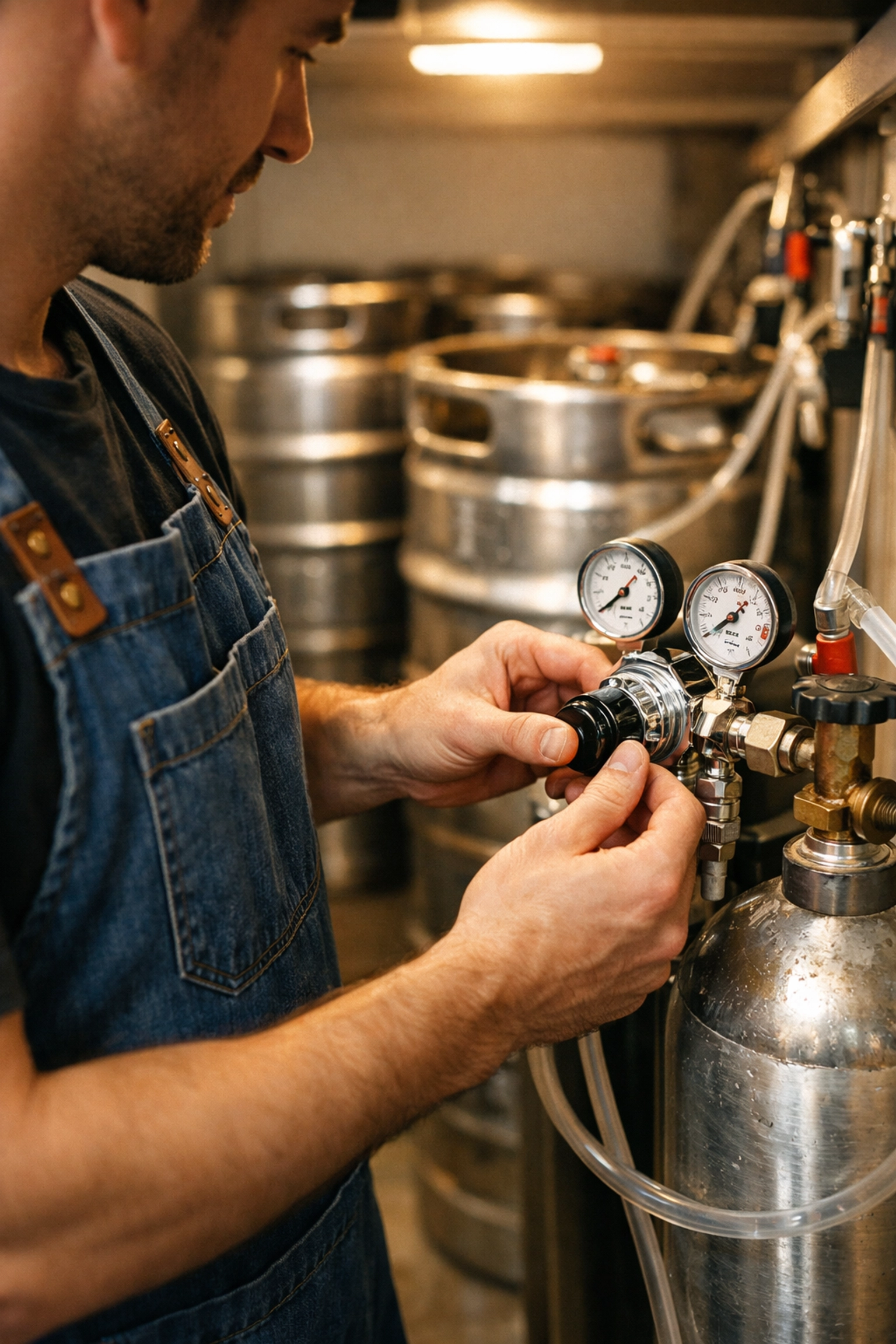
The 30/70 Mix: The Secret to the Perfect Stout
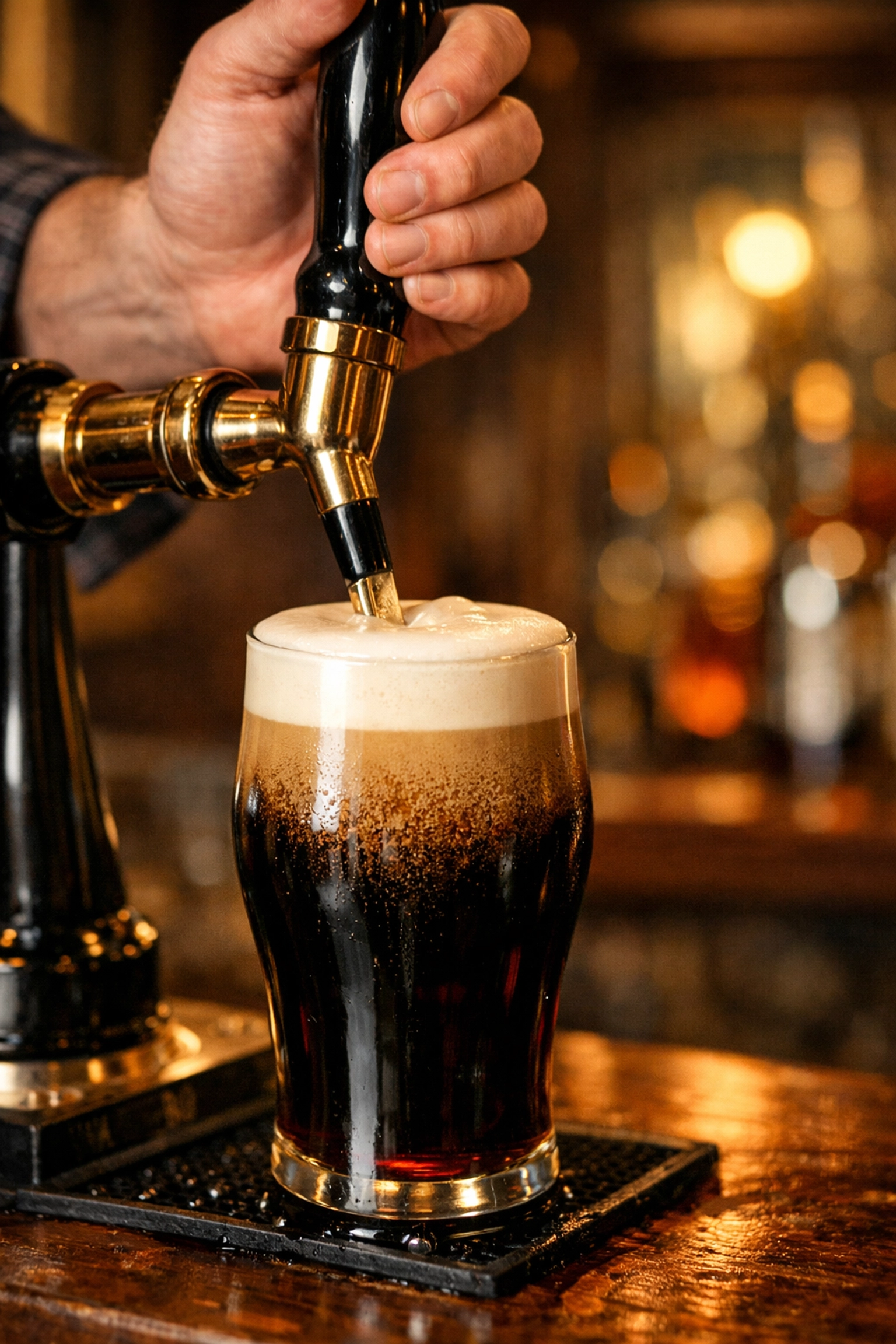
If you are serving "creamy" drinks, think Guinness, Murphy’s, or heavy cream ales, the 30/70 mix is your best friend. This blend consists of 30% Carbon Dioxide and 70% Nitrogen.
Why use 30/70?
Because this mix is Nitrogen-heavy, it creates very small, tight bubbles. This is what gives stouts that iconic creamy head and smooth mouthfeel. If you tried to serve a stout with a higher CO2 content, those bubbles would be too large and aggressive, ruining the texture that stout-drinkers love.
Best for:
- Stouts and Porters
- Nitrogenated Ales (like John Smith’s or Boddingtons)
- Creating a "cascading" effect in the glass
The "Pub Owner" Scenario:
Imagine Dave, who runs a traditional local in Yorkshire. He’s famous for his stout, but lately, it’s coming out "bubbly" rather than creamy. After checking his lines, he realizes someone accidentally hooked up a 60/40 gas bottle. By switching back to 30/70, the Nitrogen levels rise, the bubbles shrink, and that smooth, velvety pour returns instantly.
The 60/40 Mix: The All-Rounder for Lagers and Ciders
The 60/40 blend (60% CO2 and 40% Nitrogen) is the workhorse of the British pub industry. It’s designed for beers that need a bit more "zing" than a stout but still require more pressure than a short-draw home setup can provide with pure CO2.
Why use 60/40?
Most lagers, IPAs, and ciders are carbonated to a higher level than stouts. The 60% CO2 content ensures that the drink stays sparkling and fresh from the first pint of the keg to the very last drop. The 40% Nitrogen provides just enough extra pressure to move the beer through the cooling system and up to the font without making it go flat or wild with foam.
Best for:
- Standard Lagers (Foster’s, Carling, Stella, etc.)
- Most modern IPAs and Pale Ales
- Ciders
- Highly carbonated soft drinks
The "Home Bar" Scenario:
You’ve finally built your dream "man cave" or garden bar. You’ve got a 20L keg of your favourite lager, but the cellar (the fridge) is about 5 meters away from the tap. Using pure CO2 might work, but you find you’re constantly fiddling with the regulator to stop it from foaming. Switching to a 10L cylinder of 60/40 provides a much more stable pour, giving you that "pro" feeling every time you host a BBQ.
30/70 vs 60/40: A Quick Comparison Table
| Feature | 30/70 (Stout Gas) | 60/40 (Lager Gas) |
|---|---|---|
| CO2 Content | 30% | 60% |
| Nitrogen Content | 70% | 40% |
| Primary Use | Stouts, Creamy Ales | Lagers, Ciders, IPAs |
| Mouthfeel | Smooth, Velvety, Rich | Crisp, Sparkling, Sharp |
| Bubble Size | Micro-bubbles (Creamy) | Medium bubbles (Fizzy) |
| Over-carbonation Risk | Very Low | Moderate (if pressure is too high) |
The Impact of System Length
One thing many people overlook is the distance the beer has to travel. This is where your gas regulators and gas choice really matter.
If your keg is sitting right under the tap (like in a "kegerator"), you might actually be fine with pure CO2. However, most commercial setups involve "long-draw" systems where the beer travels from a cold cellar, through a python (cooled lines), and up to the bar.
- For Long Lines: You almost always need a mixed gas. The Nitrogen allows you to crank up the pressure to 30-40 PSI to move the beer over 15 or 20 meters without the beer absorbing all that CO2 and becoming a foamy mess.
- For Short Lines: You can afford to use blends with higher CO2 levels, but 60/40 remains the safest bet for consistency.
Why Bottle Gases is the Breath of Fresh Air Your Bar Needs
We know that running a business (or a serious home bar) is expensive. Between rising keg prices and electricity costs, the last thing you need is a gas supplier who hits you with "hidden" fees.
At Bottle Gases, we do things differently. Here is why we are the preferred choice for industrial gas supply across the UK:
- No Recurring Rental Fees: Most big gas companies charge you "rent" on the bottle every month, whether you use it or not. With us, you pay a one-off deposit and then just pay for the gas. It’s like owning your car instead of leasing it: you have more control over your overheads.
- Nationwide Delivery: Whether you're in the heart of London or a remote village in the Highlands, we offer reliable delivery to your door.
- Competitive Pricing: We keep our prices sharp so you can keep your margins healthy.
- Versatility: We don't just do beer gas. From MIG welding gas for your workshop to LPG & Calor gas for your patio heaters, we’ve got your back.

Safety and Storage: Respect the Pressure
Whether you're handling a 10L 30/70 cylinder or a large 50L Nitrogen food-grade tank, safety is paramount. High-pressure cylinders are incredibly useful but require respect.
- Secure the Bottle: Always ensure your gas bottles are chained or secured in an upright position. A falling cylinder can snap a regulator or cause serious injury.
- Ventilation: Cellars are often confined spaces. CO2 and Nitrogen are "silent" gases; they can displace oxygen if there’s a leak. Ensure your cellar has adequate ventilation and, ideally, a gas monitor.
- Check the Date: Ensure your cylinders are within their test dates. At Bottle Gases, we handle all the safety checks so you can rest easy knowing your equipment is top-spec.
For more detailed safety tips, check out our Gas Cylinder Delivery & Safety guide.
Making the Final Choice
So, which one should you choose?
- If you want to pour a pint that looks like a professional advertisement with a thick, creamy head: go for 30/70.
- If you want a versatile gas that handles your lagers, ciders, and mixers with a crisp, refreshing finish: go for 60/40.
Actually, most busy pubs carry both. Having a dedicated line for your stouts and a separate system for your lagers is the hallmark of a high-quality establishment.
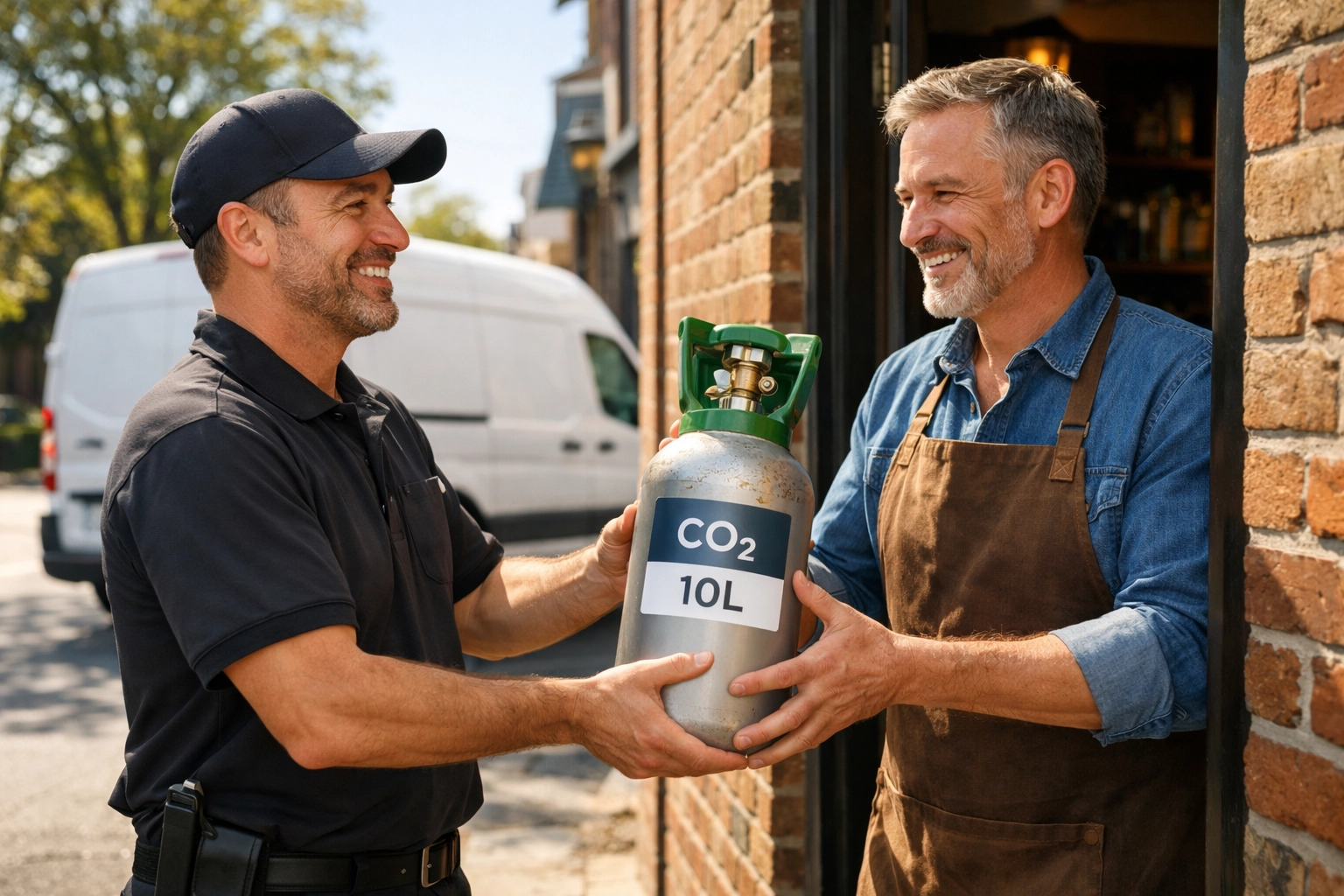
Ready to Level Up Your Pour?
Don't let poor gas quality ruin your reputation or your relaxation time. Whether you're a professional cellar manager or a weekend hobbyist, the right gas blend is the key to a perfect pour.
Stop paying those monthly rental fees and switch to a supplier that respects your bottom line. Browse our full range of Beer & Cellar Gas Solutions today and see how much you could save with our deposit-based system.
From the first drop to the last, we’re here to make sure your beer is exactly how the brewer intended: perfect. Feel free to contact us if you have any questions about which regulator you need or how to set up your first mixed-gas system!