Blog
How to Choose the Best MIG Gas Bottle (Size & Cost Compared)

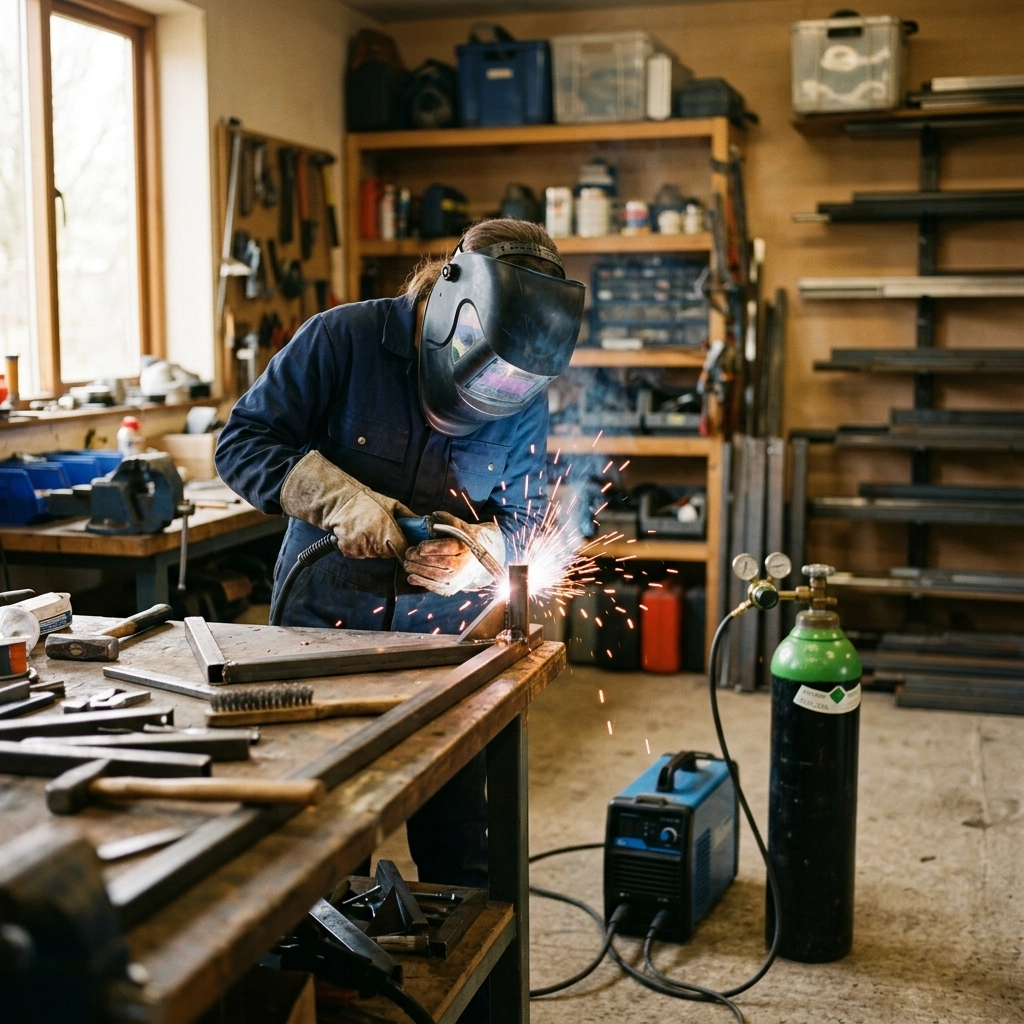
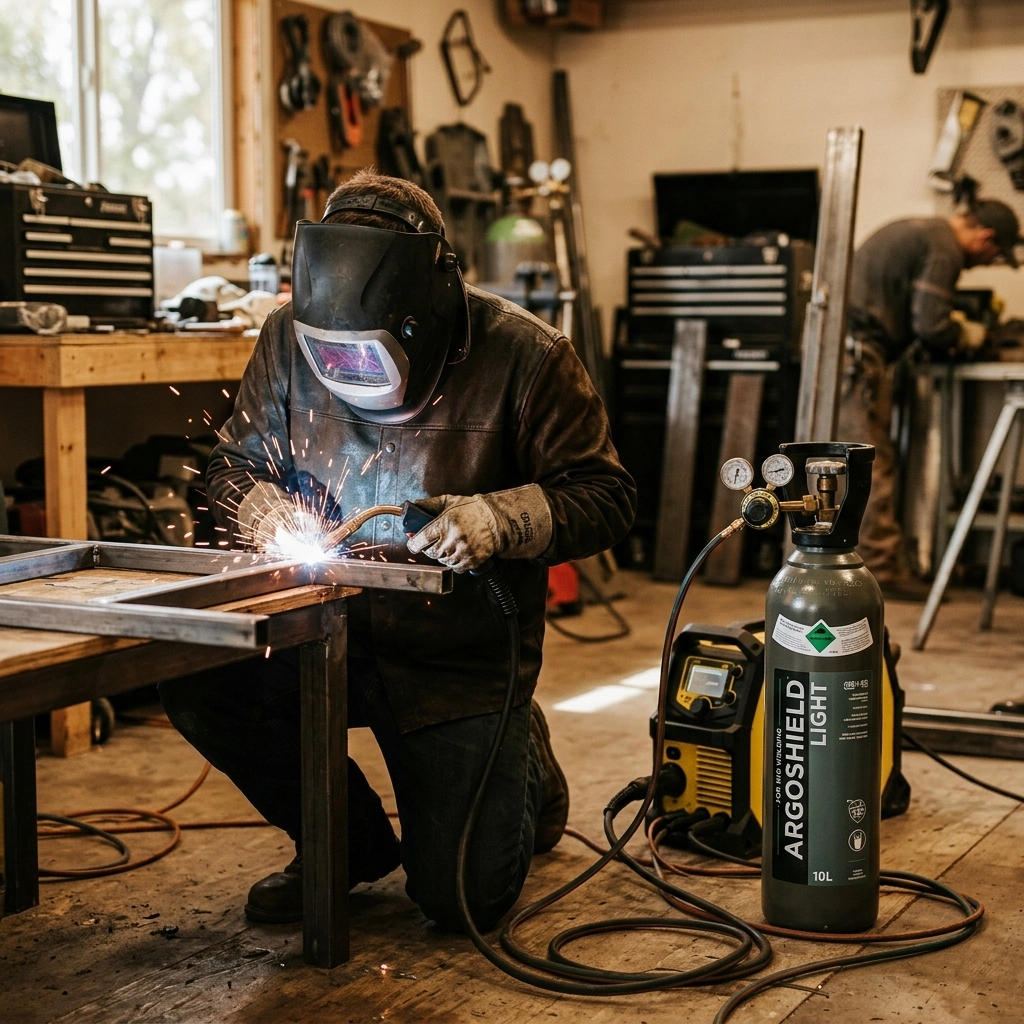
Have you ever been right in the middle of laying down the perfect bead, only for your welder to start sputtering and spitting like a grumpy cat? You check your settings, your wire feed, and then you see it, the needle on your regulator is hugging the zero mark. There is nothing quite as frustrating as running out of gas mid-project, especially on a Sunday afternoon when the shops are shut.
Choosing the right MIG gas bottle isn't just about making sure you don't run out; it’s about balancing portability, project scale, and your hard-earned cash. It’s a bit like choosing a car: do you need the nimble hatchback for quick city trips (mobile repairs), or the beefy estate for the long-haul motorway runs (big workshop builds)?
At Bottle Gases, we know that the jargon surrounding gas cylinders can feel like a different language. That’s why we’re breaking down everything you need to know about MIG welding gas bottles to ensure you’re never left gasping for air.
Size Matters: Finding Your "Goldilocks" Bottle
When it comes to gas cylinders, bigger is usually better for your wallet, but smaller is better for your back. In the UK market, we typically talk about bottle sizes in terms of "water capacity" (Liters). This is the physical volume of the inside of the tank.
Here is how the most common UK sizes stack up:
- 2 Liter "Hobby" Bottles: These are the featherweights. Ideal for very small repairs or if you need to carry your welder up a ladder. However, they run out fast.
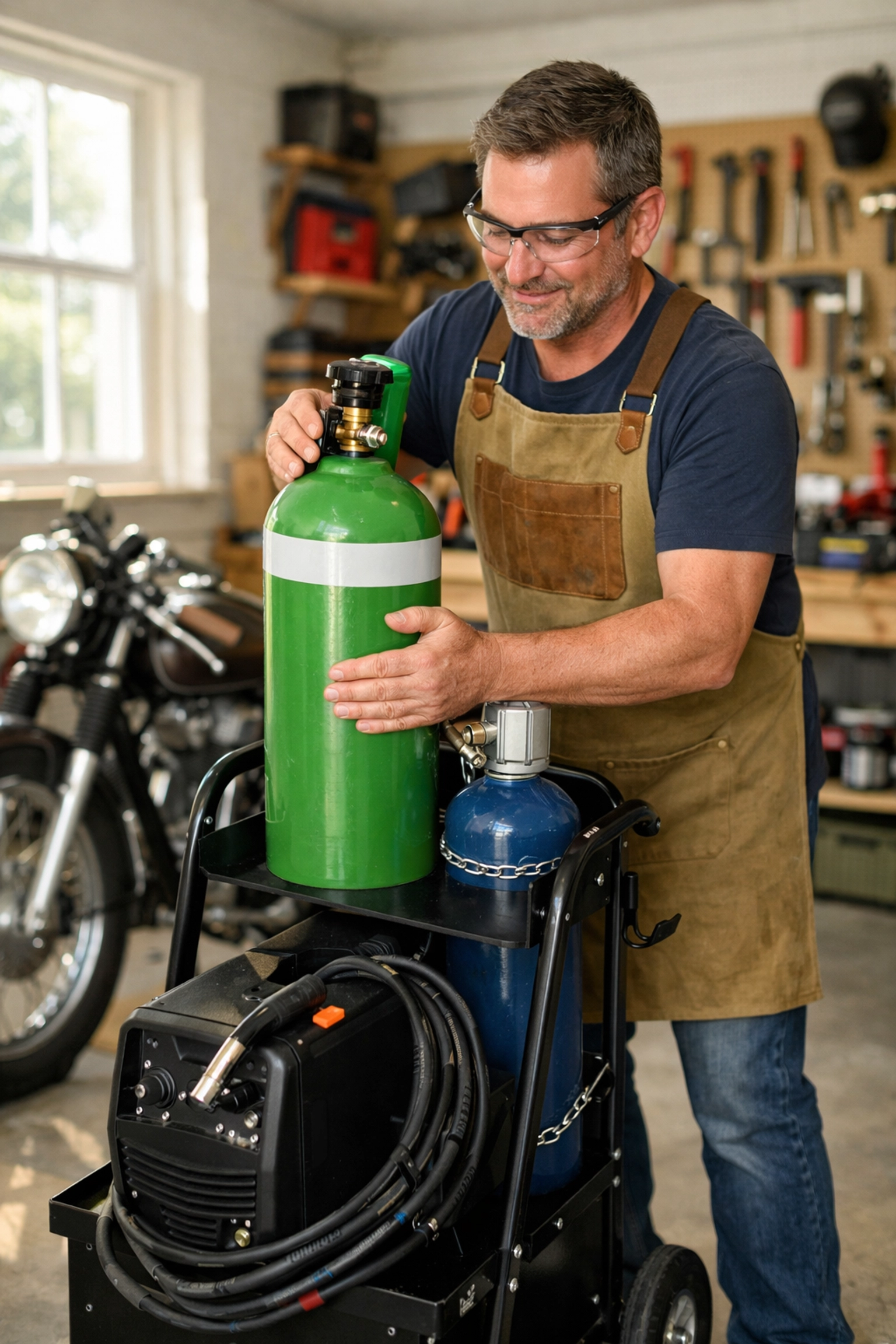
- 9 Liter / 10 Liter Bottles: This is the "Goldilocks" zone for most DIY enthusiasts and light automotive restorers. They are portable enough to lift into a car boot but hold enough gas to get through a decent amount of work.
- 20 Liter Bottles: These are the workhorses. If you have a dedicated welding trolley and a fair bit of floor space, a 20L bottle is the sweet spot for value and longevity.
- 50 Liter Bottles: Reserved for the professionals or the truly dedicated. These are heavy, require a proper trolley, and are meant for high-volume production.
Decoding the Numbers: Liters, Pressure, and Capacity
It’s easy to get confused when you see a bottle labeled "10 Liters." You might think, "Well, my welder uses 12 Liters of gas per minute, so that will only last me 50 seconds!"
Don’t panic. That "10 Liters" refers to the physical size of the tank. The actual amount of gas inside depends on the fill pressure.
Most of our cylinders are filled to 200 Bar. To find out how much actual gas you have, you multiply the volume by the pressure:
10L (Size) x 200 Bar (Pressure) = 2,000 Liters of usable gas.
Now, if you set your argon regulator to a flow rate of 10 Liters per minute (Lpm), that 10L bottle will give you approximately 200 minutes of "trigger time." That’s over three hours of actual welding!
How Long Will Your Bottle Last? (The Math Made Easy)
To help you plan your next project, here’s a quick comparison of "Trigger Time" based on a standard flow rate of 12 Lpm (a common setting for indoor MIG welding):
| Bottle Size | Gas Capacity (at 200 Bar) | Total Weld Time (Approx.) |
|---|---|---|
| 2L | 400 Liters | 33 Minutes |
| 9L | 1,800 Liters | 150 Minutes (2.5 Hours) |
| 10L | 2,000 Liters | 166 Minutes (2.7 Hours) |
| 20L | 4,000 Liters | 333 Minutes (5.5 Hours) |
Note: If you are welding outdoors or in a breezy workshop, you might need to crank your flow rate up to 15 or 20 Lpm to keep the wind from blowing your shielding gas away. This will, of course, empty your bottle faster.
The Real Cost: Renting vs. Owning Your Gas Bottle
This is where the industry can get a bit "smoke and mirrors." For decades, the only way to get industrial-grade gas was to sign up for a monthly rental contract. You’d pay for the gas, but you’d also pay a "standing charge" every month just to have the bottle sitting in your garage.
If you're a professional shop using a bottle a week, that’s fine. But for the rest of us? It’s like paying a monthly subscription for a gym you only visit twice a year. It's a "rental trap" that adds up to hundreds of pounds over time.
At Bottle Gases, we do things differently. We offer a Deposit-Based, No Rental Fee system.
- You pay a one-off deposit for the bottle.
- You pay for the gas inside.
- There are no monthly bills. None.
When you run out, you just pay for a refill. If you decide you don't need the bottle anymore, you return it and get your deposit back. It’s gas ownership that actually makes sense for the UK welder.
Choosing Your Shield: Pure CO2 vs. Argon Mixes
The size of the bottle is one thing, but what’s inside matters just as much. For MIG welding, you generally have two main choices:
1. Pure CO2
Pure CO2 is the budget-friendly option. It provides deep penetration, which is great for thick farm equipment or heavy structural steel. However, it’s a bit "violent." You’ll get more spatter (those annoying little metal balls that stick to your work) and a rougher finish.
Check out our CO2 bottles if you’re looking for the most cost-effective way to stick metal together.
2. Argon/CO2 Mixes (The Professional Choice)
Usually a blend of 95% Argon and 5% CO2 (for thin-to-medium steel) or 82% Argon and 18% CO2 (for thicker stuff). This is the "smooth operator" of welding gases. It produces a stable arc, very little spatter, and a much prettier weld.
If you are working on car bodywork or furniture, an Argon mix is non-negotiable.
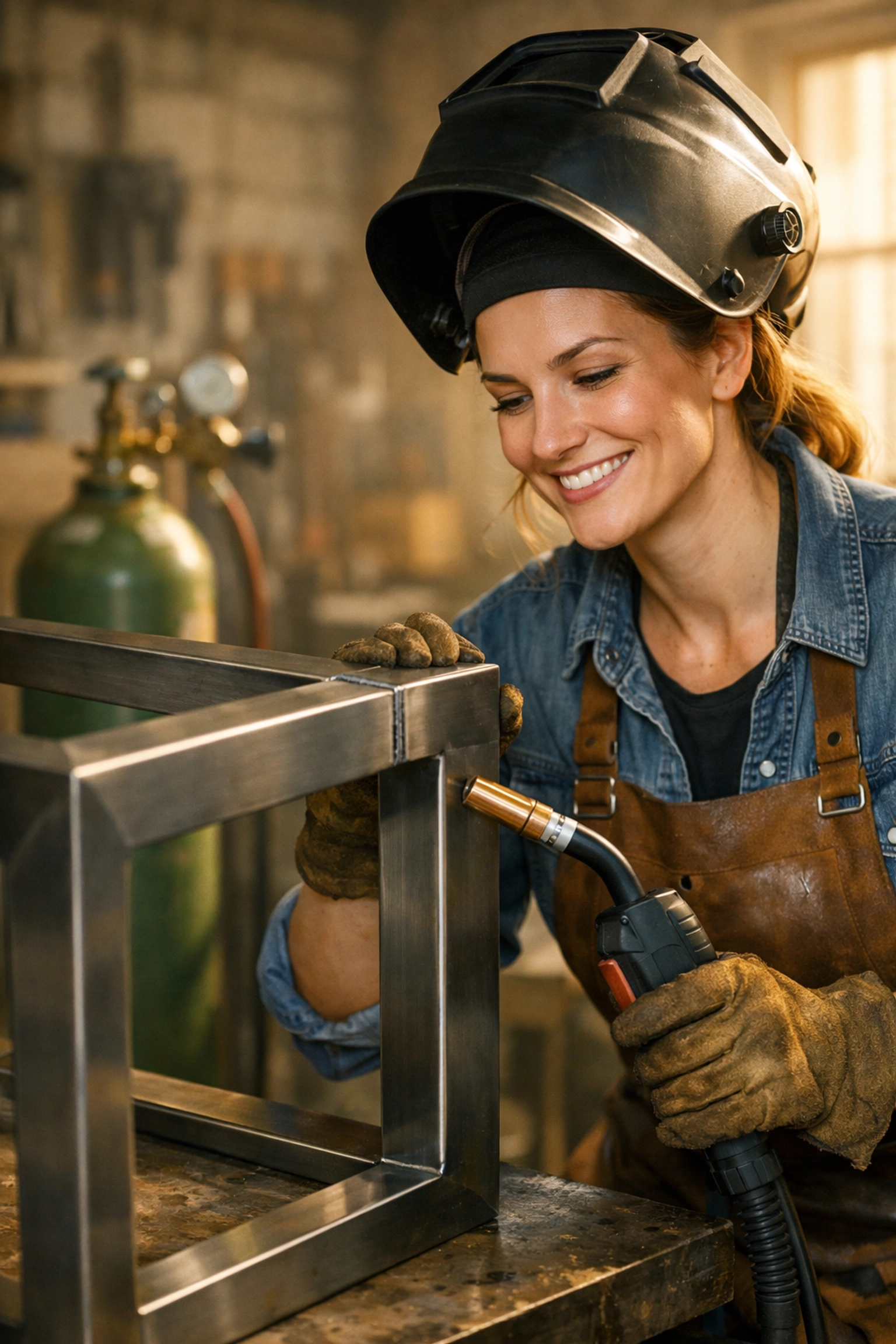
Which Welder Are You? (Scenario Guide)
Still not sure which bottle to pick? See which of these personas sounds like you:
- The Weekend Warrior (Dave): Dave is restoring a classic Mini in his single garage. He welds for maybe an hour or two every other Saturday.
- Recommendation: A 9L or 10L Argon/CO2 Mix. It’s small enough to tuck under his workbench but won't run out halfway through a floor pan repair. No rental fees mean he doesn't feel guilty when the project stalls for three months.
- The Mobile Repair Pro (Sarah): Sarah travels to sites to fix gates and railings. She needs equipment that won't break her back.
- Recommendation: A 2L or 9L bottle. Weight is the enemy here. She might even keep a Nitrogen cylinder or Oxy-Fuel setup in the van for other tasks.
- The Small Fabrication Shop (Tom): Tom builds custom gates and furniture 40 hours a week.
- Recommendation: Multiple 20L bottles. He needs the lower cost-per-liter that larger bottles provide, and having a backup bottle ready means production never stops.
Safety and Storage: Keeping the "Beast" Tamed
Regardless of the size you choose, you are dealing with high-pressure gas. A 200 Bar cylinder is essentially a very controlled rocket if the valve gets knocked off.
- Secure it: Always chain your bottle to your welding trolley or a wall.
- Ventilation: Never weld (or store gas) in a completely sealed, tiny room. Argon is heavier than air; if it leaks, it sits on the floor and displaces oxygen.
- Check for Leaks: A bit of soapy water on the connections goes a long way. If it bubbles, tighten it up!
For more in-depth safety tips, have a look at our Welding Gas Safety Guide.
Powering Your Next Project
Choosing the right MIG gas bottle doesn't have to be a headache. If you remember that bigger bottles save money in the long run but smaller bottles save your spine, you’re already halfway there.
By ditching the monthly rental fees and choosing a supplier that offers nationwide delivery across the UK, you can focus on what actually matters: the quality of your welds.
Ready to get started? Browse our full range of MIG welding gases or contact us if you need a bit of expert advice on which bottle will fit your trolley best. Cheers to your next project: let's keep those arcs bright and those beads clean!