Blog

How to Choose the Best CO2 Bottle for Your Home Bar (Compared)

Ever invited friends over for a perfectly chilled pint, only to serve up a glass of flat, lifeless foam? Or perhaps you’ve finally finished that DIY garden bar project, but you’re staring at a confusing array of canisters, wondering why a "simple" gas bottle comes in so many shapes and sizes?
We’ve all been there. Choosing the right CO2 bottle for your home bar feels like it should be straightforward, yet you’re suddenly hit with talk of "food-grade," "regulator compatibility," and the dreaded "monthly rental fees." It’s enough to make you want to stick to bottled lager.
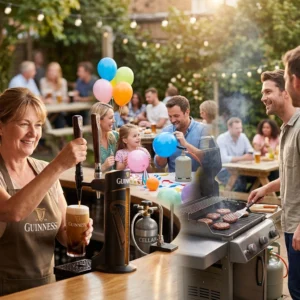
But don't hang up the bar towel just yet. Whether you’re running a single-tap kegerator in the kitchen or a full-blown "pub in a shed" for the whole neighborhood, getting your gas right is the difference between a pro-pour and a pouring disaster. At Bottle Gases, we believe your only worry should be who’s buying the next round, not whether your gas is going to run out mid-party.
Why Your CO2 Choice is the "Silent Hero" of Your Bar
Think of your CO2 bottle as the heartbeat of your bar. Just like a car won't move without fuel, your beer won't pour without pressure. But it’s not just about the "push." Carbon dioxide (CO2) is what gives your drinks that crisp, refreshing bite.
If you use the wrong setup, you might find your beer over-carbonated (all foam, no liquid) or under-pressurised (flat and sad). Choosing the right CO2 bottles & canisters is about balancing three things: how much space you have, how often you drink, and how much you hate paying unnecessary fees.
The Great Size Debate: From 425g to 10kg
In the UK, we tend to talk in kilograms when it comes to gas. If you’ve been looking at American blogs mentioning "5lb tanks," you might be a bit confused. Let’s break down the most common sizes you’ll find in a British home bar setup.
1. The "Kitchen Counter" Special (425g / 60L)
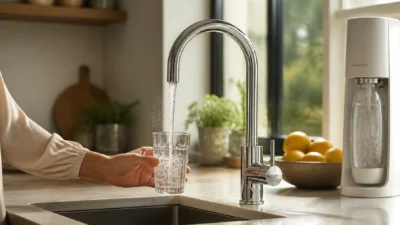
These are your SodaStream compatible CO2 bottles. They are tiny, lightweight, and hide easily in a cupboard.
- Best for: People with limited space or those who only use a small "Party Star" style tap for the occasional weekend.
- The Reality Check: While convenient, these are the most expensive way to buy gas per liter. You’ll be swapping them out constantly if you’re hosting more than two people.
2. The "Weekend Warrior" (2kg Bottle)
The 2kg CO2 cylinder is the entry-level standard for most home kegerators. It’s small enough to fit inside most fridge-based setups but holds enough gas to pour approximately 300 to 400 pints.
- Best for: The casual home brewer or the "Man Cave" with one or two taps.
- Scenario: Meet Sarah. Sarah has a single-tap kegerator in her dining room. She pours a few pints on a Friday night and hosts a BBQ once a month. For Sarah, the 2kg bottle is a "breath of fresh air", it’s portable, easy to handle, and doesn’t take up half the room.
3. The "Goldilocks" Zone (6kg – 6.35kg)
For most serious home bar enthusiasts, the 6kg bottle is the "just right" size. It offers a massive jump in capacity over the 2kg without being so heavy that you need a forklift to move it.
- Best for: Multi-tap systems (3+ taps) or those who don't want to think about refills for six months at a time.
- The Advantage: You get much better value for money. The cost to refill a 6kg bottle is often only slightly more than a 2kg, but you get three times the gas.
Stop Paying "Ghost Fees": Why Rental is a Trap
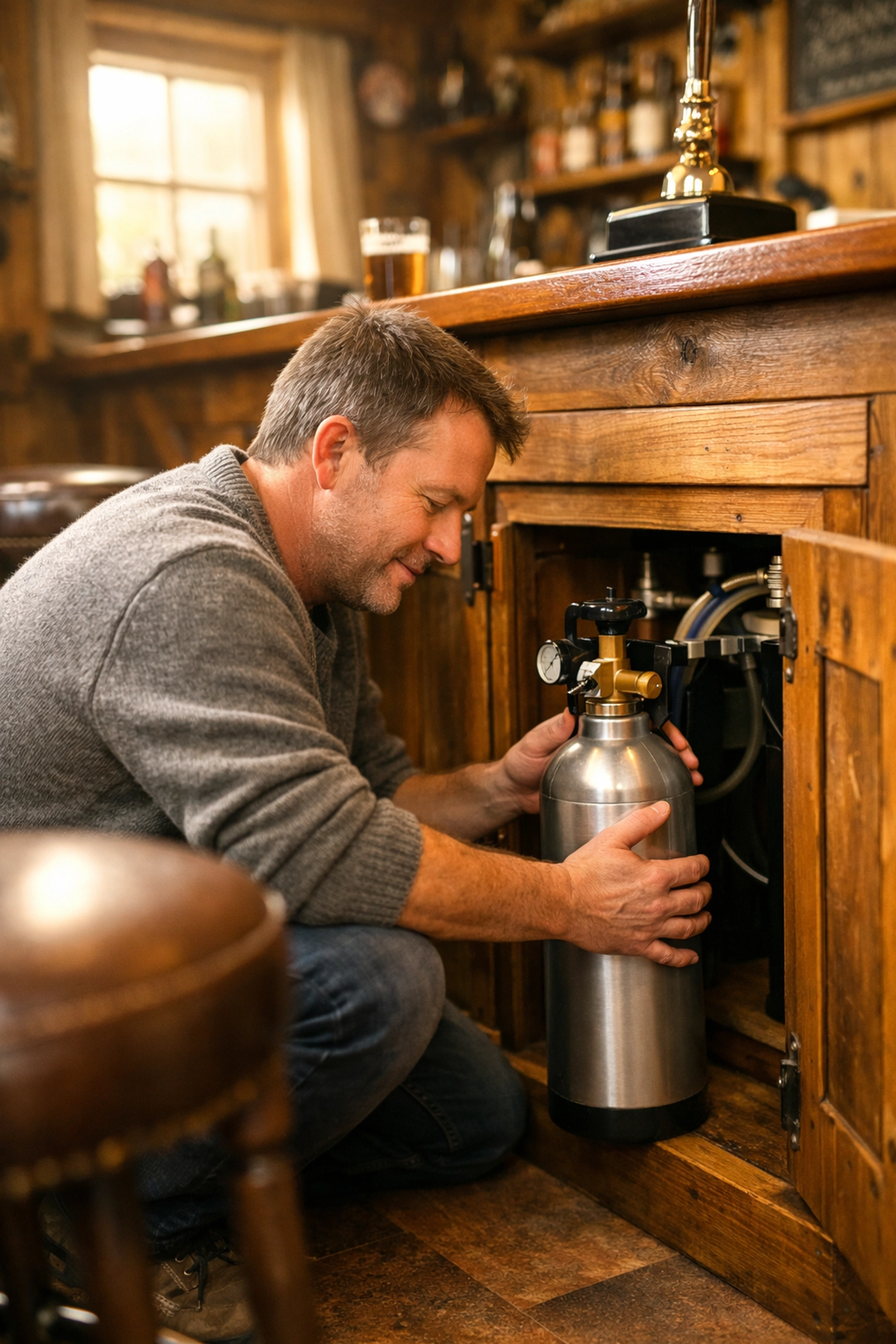
One of the biggest headaches for home bar owners is the traditional "gas hire" model. Many industrial suppliers work on a rental basis, you pay a monthly fee just to have the bottle sitting in your house.
Imagine if you had to pay a monthly "fridge rental" to the supermarket just because you bought milk. It sounds crazy, right? Yet, many people get stuck paying £10–£15 a month for a bottle that might last them a year. Over time, you’ve paid for the bottle five times over without ever owning it.
At Bottle Gases, we do things differently. We offer a no recurring rental fee model. You buy the bottle, and it's yours. When it’s empty, you simply pay for a refill. It feels like a lifeline for the hobbyist who doesn't want another direct debit haunting their bank account. Whether you need Beer & Cellar Gas or MIG welding gas bottles for a different project, the "no-rent" rule should be your top priority.
Is It "Food Grade"? Why It Actually Matters
You might see "Industrial CO2" advertised for cheaper prices, often intended for welding or fire extinguishers. You might think, "Gas is gas, right?"
Not quite.
Food-grade CO2 is specifically filtered and tested to ensure it's 99.9% pure and free from nasty byproducts like oils or benzene that can be present in lower-grade industrial gases. Using non-food-grade gas can make your beer taste "off", think metallic or chemical aftertastes, and in some cases, it’s simply not safe for consumption.
When you are browsing industrial gas suppliers in the UK, always ensure the CO2 you are putting into your drink is certified for beverage use. Your taste buds (and your guests) will thank you.
Getting Connected: Regulators and Safety
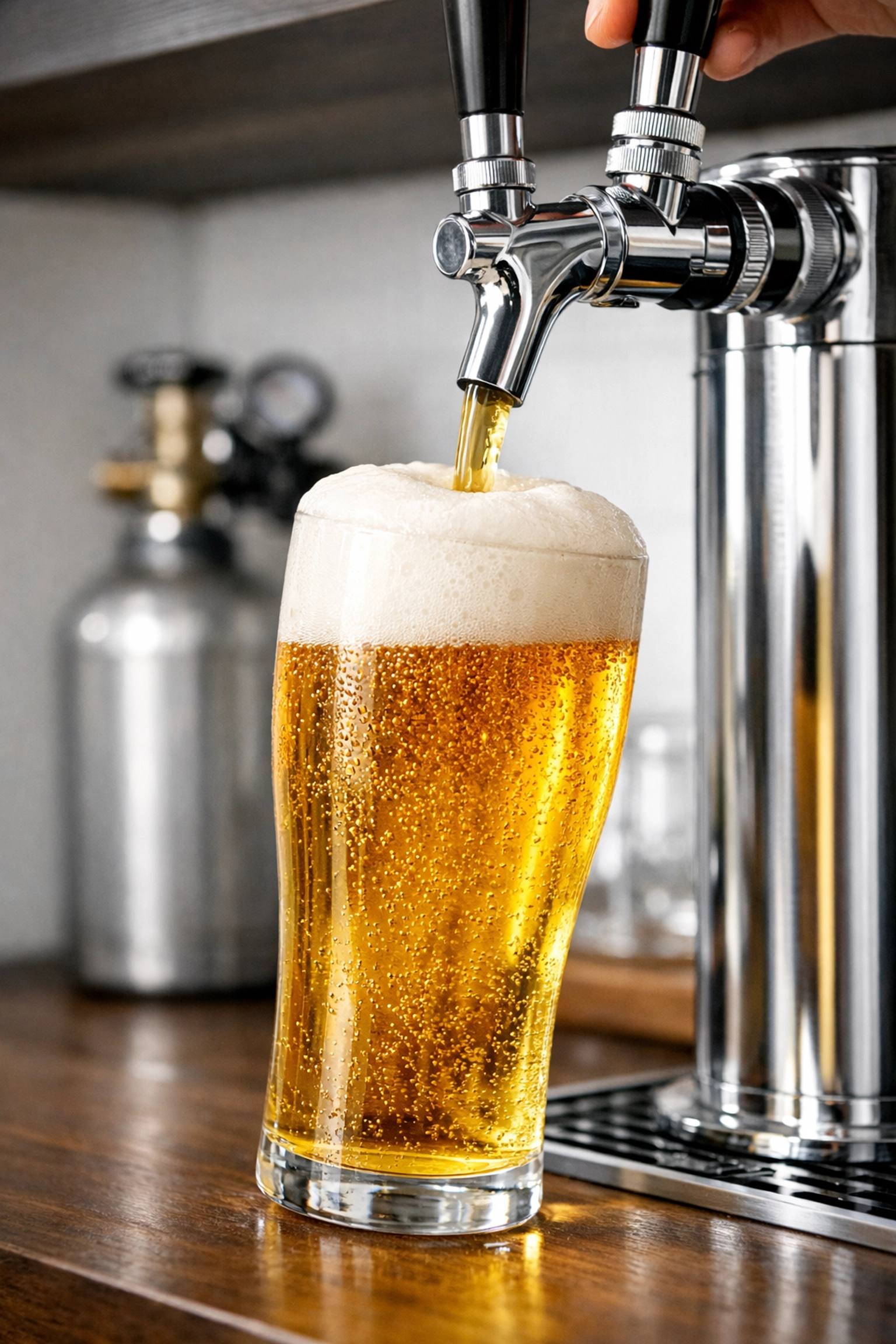
So, you’ve picked your bottle. Now, how do you get the gas into the beer? This is where the gas regulators & equipment come in.
A regulator takes the incredibly high pressure inside the bottle (which could be over 800 PSI) and brings it down to a manageable 10–12 PSI for pouring.
- Single Gauge: Tells you the output pressure (what's going into the keg).
- Twin Gauge: Tells you the output pressure and how much gas is left in the bottle.
Penny’s Pro Tip: Always go for a twin gauge if you can. There is nothing worse than the "hiss of death": that sound when your bottle runs dry right as you’re mid-pour for a thirsty guest.
Safety First
CO2 is an asphyxiant. While a small leak in a well-ventilated garage isn't usually a drama, a leak in a small, unventilated basement bar can be dangerous. Always:
- Check your seals: Use soapy water on connections. If it bubbles, you have a leak.
- Secure your bottle: These tanks are heavy. Use a chain or a floor stand to ensure they can't be knocked over by a rogue golden retriever or an over-excited guest.
- Think about ventilation: If your bar is in a confined space, consider a CO2 monitor.
Comparing Your Options: A Quick Guide
| Feature | SodaStream Style (425g) | Small Cylinder (2kg) | Medium Cylinder (6kg+) |
|---|---|---|---|
| Capacity | ~60 Liters / 100 pints | ~300-400 pints | ~1,000+ pints |
| Space Required | Minimal (Cupboard) | Small (Under sink/fridge) | Moderate (Corner/Cabinet) |
| Refill Frequency | Very High | Low | Very Low |
| Cost per Liter | High | Medium | Low (Best Value) |
| Best For | Occasional carbonation | Casual home bars | Dedicated "Pub-at-home" |

The DIY Enthusiast Scenario: The "Garden Pub" Build
Let’s look at "Dave." Dave spent his summer building a timber bar at the end of his garden. He’s got three taps: one for a crisp lager, one for a local cider, and one for sparkling water (for the designated drivers).
Dave initially looked at disposable gas bottles, but realized he’d be throwing away metal canisters every single week. He then looked at the big industrial suppliers but didn't want a £15/month rental bill for a bar he only uses heavily in the summer.
By choosing a 6.35kg CO2 bottle from Bottle Gases, Dave paid once for the bottle and now only pays when he needs a refill. We delivered it right to his door with our nationwide delivery service, meaning Dave didn't have to lug a heavy tank in the back of his clean car. For Dave, this was the "lifeline" his project needed to stay on budget.
Final Thoughts: Making the Right Call
Choosing the best CO2 bottle doesn't have to be a headache. If you're tight on space and only pour a few drinks a month, start small. But if you’ve invested time and money into a keg system, do yourself a favour and go for at least a 2kg or 6kg bottle.
By opting for a "buy-to-own" model, you’re cutting out the middleman and the hidden costs, leaving you more money for what actually matters: the beer.
Ready to level up your home bar? Check out our full range of CO2 solutions and get back to what you do best: hosting, pouring, and enjoying. With competitive pricing and no hidden fees, we’re here to make sure your bar never goes flat.
Cheers to that!