Cart 0

60/40, 30/70, and Pure CO2: The Best Beer & Cellar Gas Solutions for the Perfect Pour
Have you ever stood behind a bar, pulled the tap, and watched in horror as a glass filled with nothing but thick, white foam? Or perhaps you’ve served a pint that looked perfect but tasted as flat as a Sunday afternoon in a library? If you’ve been there, you know it’s not just a minor annoyance: it’s wasted stock, wasted money, and a disappointed customer.
The secret to a perfect pour isn't just in the tilt of the glass or the temperature of the cellar; it’s in the gas. Choosing between 60/40, 30/70, and Pure CO2 is the difference between a pint that sings and one that falls flat. Whether you are running a busy high-street pub, a craft beer taproom, or a sophisticated home bar setup, understanding your cellar gas is your first step toward mastery.
At Bottle Gases, we know that the world of industrial gas supply can feel a bit overwhelming. That’s why we’ve stripped away the jargon to help you find exactly what you need to keep the drinks flowing and the customers smiling.
Why Gas Isn't Just "Air": The Science of the Pour
Think of your cellar gas as the engine of your dispense system. Just as a high-performance sports car needs the right fuel to run smoothly, your beer needs a specific gas blend to maintain its carbonation and mouthfeel.
Gas does two things: it pushes the beer from the keg to the tap, and it maintains the "fizz" (carbonation) inside the liquid. If you use the wrong gas, you either over-carbonate the beer (making it foamy and acidic) or under-carbonate it (making it flat and lifeless).
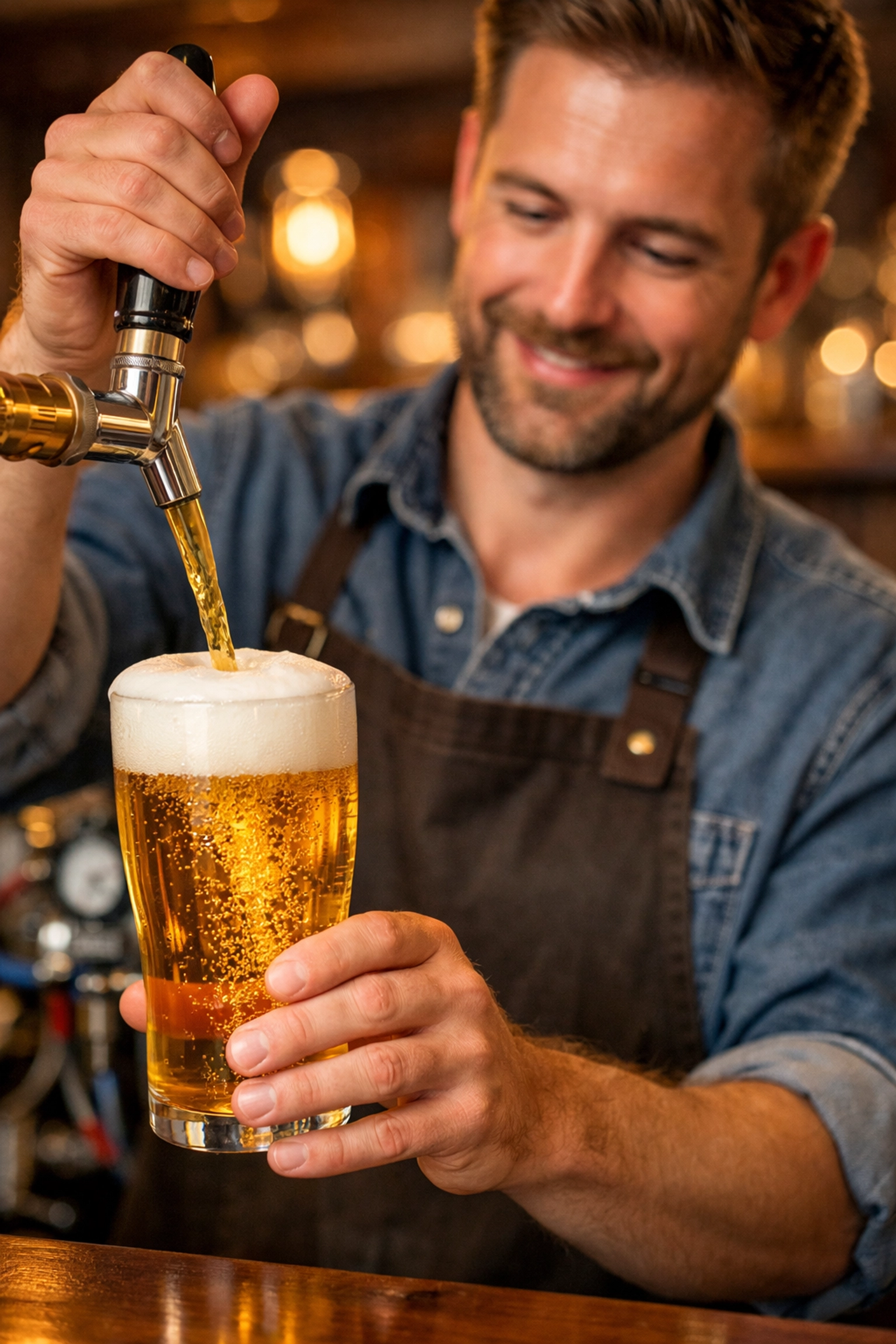
60/40 Gas Mix: The Sweet Spot for Craft Beers and Pale Ales
What is it? A blend of 60% Carbon Dioxide (CO2) and 40% Nitrogen (N2).
Are you moving a lot of craft lagers, IPAs, or pale ales? If so, 60/40 is likely your best friend. This blend is specifically designed for beers that require a bit more "zing" than a stout but need a smoother delivery than a standard commercial lager.
Because this mix contains a higher percentage of CO2 than the 30/70 alternative, it helps maintain that crisp carbonation that craft beer lovers crave. However, the 40% Nitrogen adds a layer of stability. Nitrogen is an "inert" gas, meaning it doesn't easily dissolve into the beer. It acts as a cushion, allowing you to use higher pressure to push the beer through longer lines without making the beer overly fizzy.
Best for:
- Craft lagers
- Pale ales
- Some heavier European lagers
- Cider (when a slightly smoother finish is desired)
If you’re a pub owner looking to diversify your tap list with local craft options, having a dedicated 60/40 beer gas supply is essential for maintaining the brewer’s intended flavour profile.
30/70 Gas Mix: The Secret Behind the Creamy Stout
What is it? A blend of 30% Carbon Dioxide (CO2) and 70% Nitrogen (N2).
We’ve all seen the "the surge and the settle." That iconic, cascading effect in a pint of Guinness or a smooth Irish bitter is thanks entirely to the 30/70 gas mix.
Nitrogen is the star of the show here. Because 70% of the mix is Nitrogen, the bubbles produced are much smaller and finer than CO2 bubbles. This creates that rich, velvety mouthfeel and the thick, creamy head that stays on the glass until the very last sip. If you tried to pour a stout using pure CO2, you’d end up with a harsh, bubbly drink that lacks any of the traditional character of a smooth ale.
Best for:
- Stouts (Guinness, Murphy's)
- Traditional Bitters
- Irish Red Ales
- Nitrogenated "Cream" Ales
Using a 30/70 nitrogen-rich mix ensures that your "smooth" drinks actually stay smooth. It’s about more than just bubbles; it’s about the entire sensory experience of the drink.
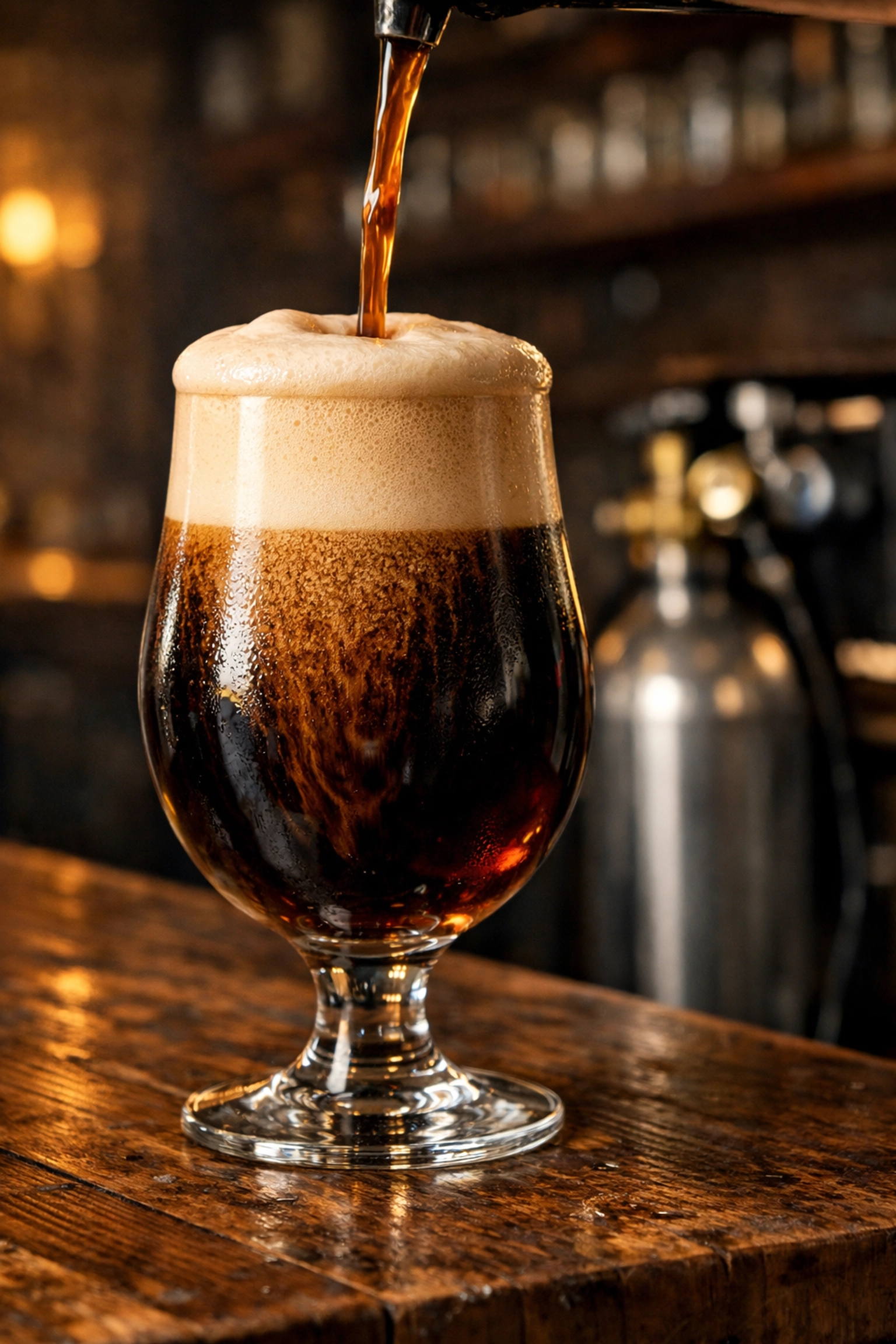
Pure CO2: The Classic Carbonation King
What is it? 100% Food-Grade Carbon Dioxide.
Sometimes, you just can't beat the classics. Pure CO2 is the most common gas used in the beverage industry, particularly for high-volume commercial lagers, ciders, and soft drinks.
If you are running a "post-mix" system for soft drinks (like Coke or Pepsi) or serving highly carbonated lagers through a short-draw system (where the keg is very close to the tap), pure CO2 is your go-to. It provides that sharp, refreshing "bite" that defines a cold lager on a hot day.
However, a word of caution for the pros: using 100% CO2 on long-draw systems (where the beer has to travel a long way from the cellar) often requires very high pressure, which can lead to over-carbonation and "fobbing" (excessive foam). In those cases, switching to a 60/40 mix is often the smarter move.
Best for:
- Standard commercial lagers (Fosters, Carling, etc.)
- Sparkling ciders
- Soft drinks and soda water
- Home kegerators with short lines
The "Bottle Gases" Difference: Why Renting is Outdated
Let’s talk about the business side of things. Most gas suppliers in the UK operate on a "rental" model. It’s a bit like leasing a car; you pay a monthly fee just to have the bottle sitting in your cellar, even if you haven't used a single drop of gas. Over a year, those "small" rental fees add up to a significant chunk of your profits.
At Bottle Gases, we do things differently. We offer no recurring rental fees.
Think of it as the difference between renting a flat and owning your home. You pay a one-time deposit for the cylinder, and from then on, you only pay for the gas you use. When the bottle is empty, you swap it for a full one and just pay the refill cost. It’s a "breath of fresh air" for business owners who are tired of being nickeled and dimed by traditional gas companies.
Whether you need a small 3.15kg CO2 bottle for a home bar or a large 20-litre cylinder for a busy venue, our competitive pricing and nationwide delivery mean you can focus on pouring pints instead of managing invoices.
Scenario: The Saturday Night Rush
Imagine it’s 9:00 PM on a Saturday. The pub is packed, the music is up, and your best-selling lager suddenly starts pouring 80% foam. You check the regulator: everything looks fine. You check the temperature: it’s perfect.
Then you realize: you ran out of 60/40 and tried to hook it up to a spare 30/70 bottle just to get through the night.
The result? A lager that looks like a milkshake and tastes "off." This is why having a reliable stock of the correct gas is vital. With our nationwide delivery, you can ensure you’re always stocked up on exactly what your beer lines require. From MIG welding gas for the DIY enthusiast to food-grade nitrogen for the local bistro, we ensure the right gas gets to the right place at the right time.

Safety and Equipment: Don’t Forget the Hardware
Choosing the right gas is only half the battle; you also need the right equipment to handle it. Gas cylinders are under immense pressure, and using the wrong regulator can be dangerous.
- Regulators: Always use a dedicated gas regulator designed for the specific gas you are using. A CO2 regulator and a Nitrogen regulator are not always interchangeable due to different thread types and pressure ratings.
- Storage: Keep your cylinders upright and secured. Cellars can be damp, so ensure your storage area is well-ventilated.
- Handling: These bottles are heavy! A full 20L cylinder can weigh a fair bit, so always use proper lifting techniques or a cylinder trolley.
If you’re also into DIY projects, you might find our guides on welding gas safety useful, as many of the same high-pressure handling principles apply.
Making the Switch to a Smarter Solution
Choosing the right cellar gas shouldn't be a headache. By matching your gas to your drink: 60/40 for craft, 30/70 for stouts, and Pure CO2 for lagers and sodas: you ensure that every pint you pour is exactly how the brewer intended.
Stop paying for gas bottles that are just collecting dust. Whether you are a professional publican or a home brewing legend, Bottle Gases is here to provide high-quality, food-grade gas without the trap of monthly rental fees.
Ready to level up your dispense system? Explore our full range of beer and cellar gas solutions today and experience the difference of a perfect pour. If you have questions about which mix is right for your specific setup, don't hesitate to contact us( we’re always happy to talk shop!)