Cart 0
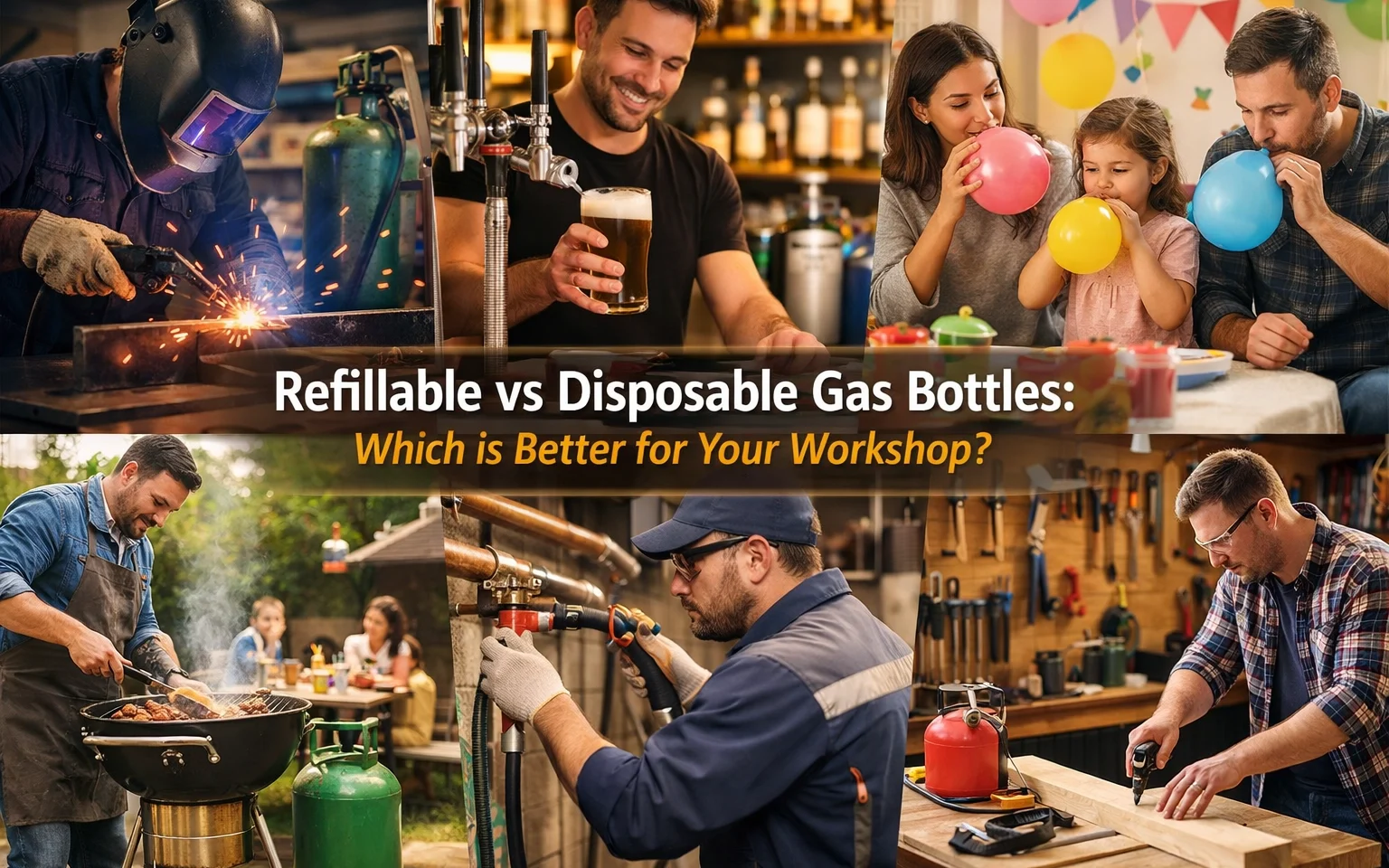
Refillable vs Disposable Gas Bottles: Which is Better for Your Workshop?
Ever been right in the middle of a perfect weld, that satisfying "sizzle" sounding just right, only for your gas to sputter and die? It’s a frustration every workshop enthusiast knows all too well. It’s the equivalent of your phone battery hitting 1% just as you’re about to send an important text. You’re left staring at a half-finished job, wondering: Should I have just bought the bigger bottle?
Choosing between disposable and refillable gas bottles isn't just a matter of price; it’s about how you work, how often you’re in the workshop, and how much you value your flow. Whether you’re a weekend warrior tackling a classic car restoration or a professional fabricator running a busy shop, the "disposable vs. refillable" debate is one you need to settle before your next project starts.
At Bottle Gases, we see both sides. We know that sometimes you just need a quick fix, but we also know that for most, the "cheap" option ends up being the most expensive one in the long run. Let’s break down the pros, the cons, and the "hidden" truths of gas supply so you can make the right call for your setup.
The Allure of the Disposable: Is the Quick Fix Worth It?
Have you ever walked into a DIY shop, seen those small, lightweight canisters, and thought, "That’ll do for now"? You aren’t alone. Disposable gas bottles are the "grab-and-go" solution of the welding world.
Typically containing around 600g to 1kg of gas, these bottles are incredibly portable. If you’re welding a small bracket on a gate at the bottom of the garden, lugging a 20kg refillable cylinder isn't exactly fun. For tiny, one-off jobs, a disposable gas bottle is a lifesaver.
However, there is a catch. Think of disposable bottles like buying a single-use coffee pod versus a bag of beans. The entry price is low, but the "price per cup" is astronomical. A disposable bottle might last you 10 to 20 minutes of actual welding time. For a project of any real scale, you’ll find yourself burning through three or four canisters before you’ve even finished the prep work.

Why Refillable Cylinders are the Workshop MVP
If you use your workshop more than once a month, refillable cylinders aren't just an option: they’re usually the better investment. Why? Because they offer consistency and volume that disposables simply can't match.
When we talk about refillable cylinders, we’re looking at sizes like 10 Liters or 20 Liters. To put that into perspective, one of our 10L MIG welding gas bottles holds significantly more gas than a dozen disposable canisters combined.
The biggest hurdle for most people is the upfront cost. Historically, getting a refillable bottle meant signing up for a monthly rental contract with a major industrial supplier. You’d pay for the gas, and then you’d pay a "rental fee" every single month, whether you used the gas or not. It felt like paying for a gym membership you never used.
That’s where we do things differently. At Bottle Gases, our USP is no recurring rental fees. You pay a one-off deposit for the bottle, buy your gas, and that’s it. When you run out, you simply swap it for a full one and pay only for the gas. It gives you the professional-grade volume of a refillable system with the "own-it-outright" freedom of a disposable.
The Hidden Costs: Crunching the Numbers
Let's talk money, because at the end of the day, your workshop budget has limits.
On paper, a disposable bottle looks cheap: maybe £15 to £20. A refillable cylinder might require an initial investment of £60 to £100 (including the gas and the refundable deposit).
However, let’s look at the "price per liter."
- Disposable: You are paying for the metal, the valve, and the packaging every single time.
- Refillable: You are only paying for the gas.
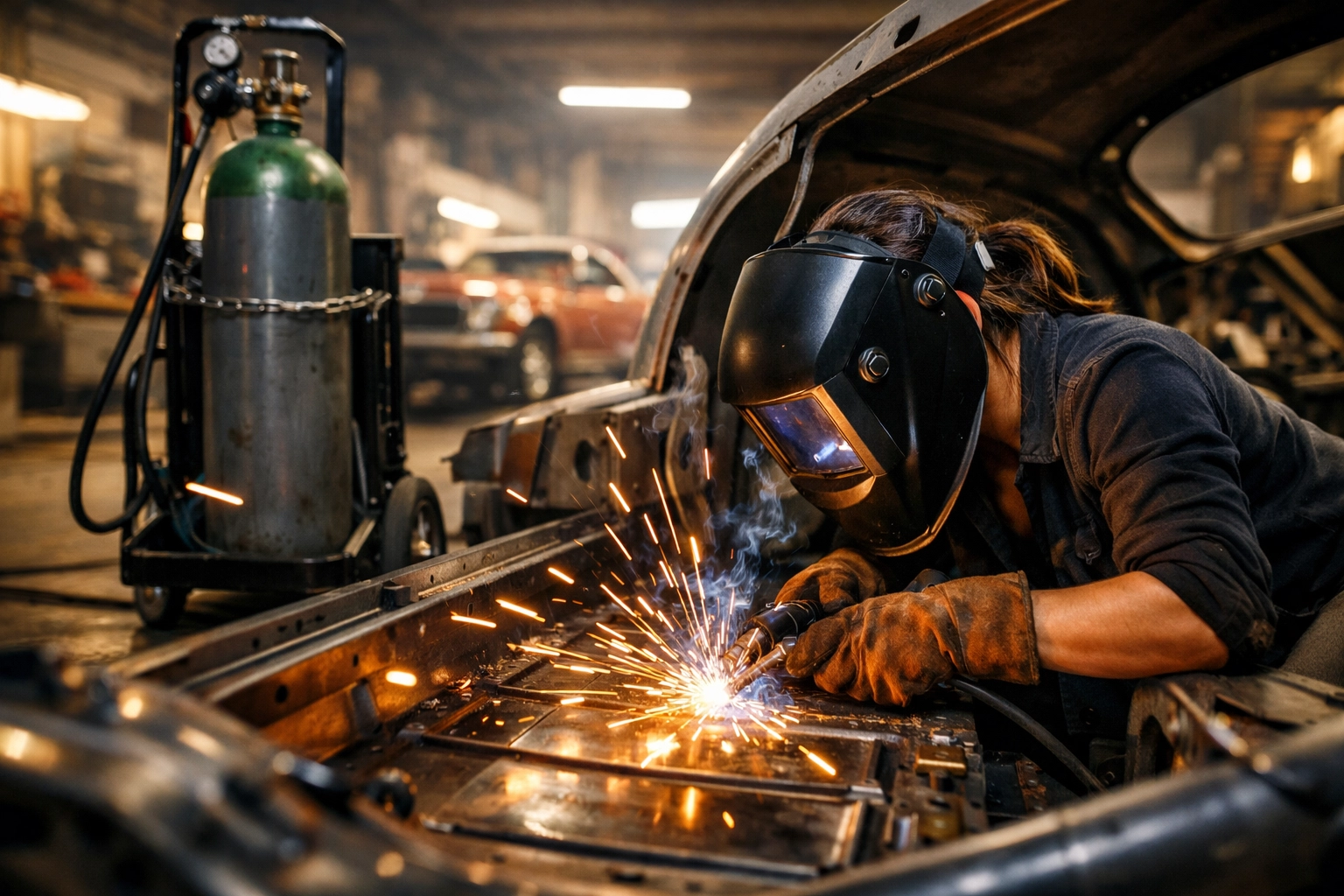
If you are doing a project like a full floor pan replacement on a vehicle, you might use 10 disposable bottles. That’s £150 to £200 gone, and you’re left with a pile of empty scrap metal. For that same price, you could have bought a refillable 20L TIG welding gas cylinder that would have finished the job and still had enough left over for your next three projects.
Performance Matters: Pressure and Consistency
Have you ever noticed your weld quality starting to drop toward the end of a disposable canister? That’s because the pressure in those small bottles can be inconsistent.
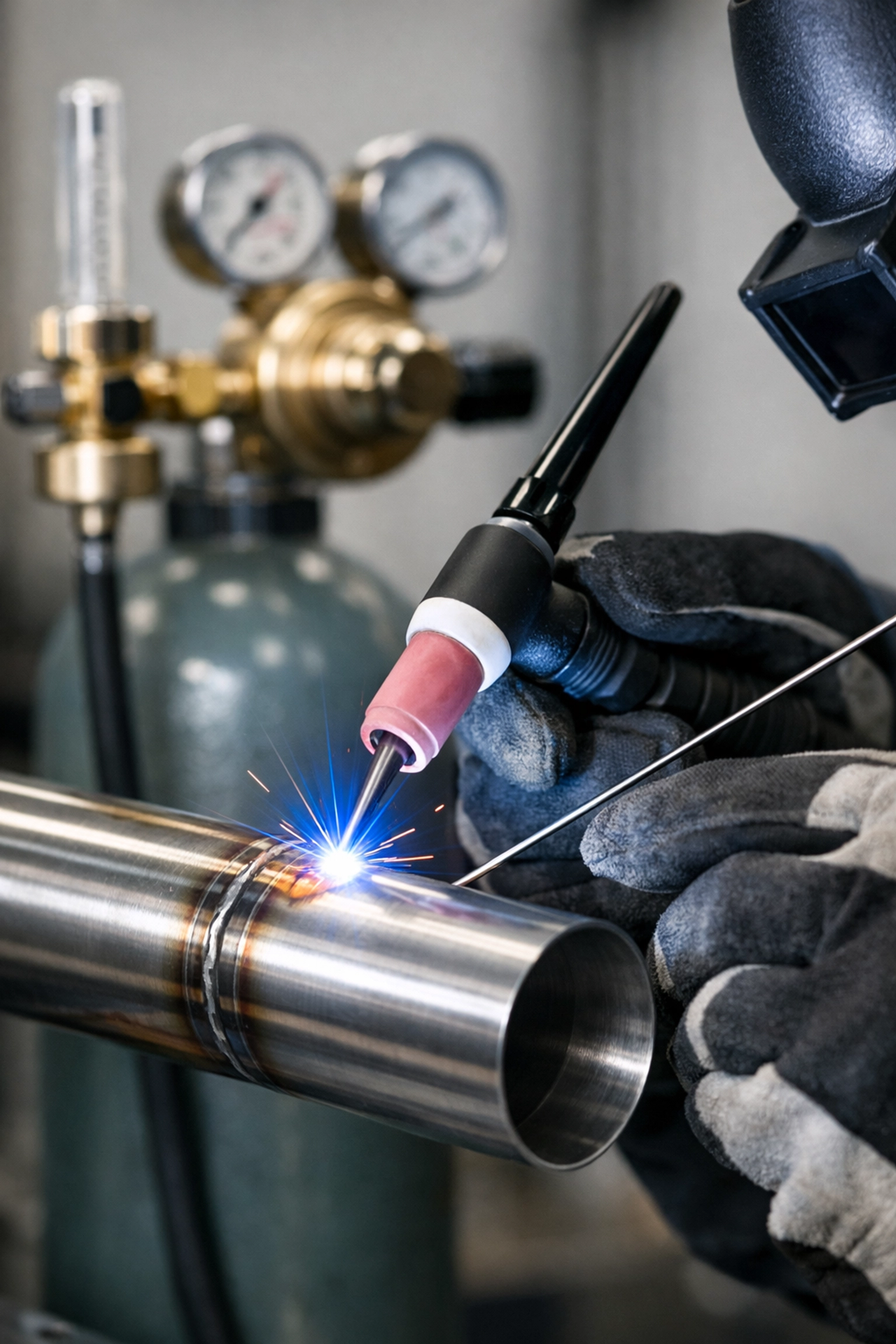
Professional-grade refillable cylinders are filled to much higher pressures (often 200 bar). When paired with a high-quality gas regulator, they provide a rock-steady flow of gas from the first minute to the last. This consistency is vital for achieving those clean, "stack-of-dimes" welds that don't require hours of grinding afterward.
Furthermore, disposables use a very basic pin-valve system. They are prone to leaking if the regulator isn't seated perfectly. Refillable cylinders use robust, industrial-standard valves that are designed to be used hundreds of times without failing.
Safety and the "Home Refill" Myth
A quick word of warning: you might see "hacks" online about how to refill a disposable canister from a larger tank. Don't do it.
Disposable cylinders are designed with thinner walls and are only rated for a single fill. They are not engineered to withstand the stresses of being refilled. Attempting to DIY a refill is not only dangerous: it can be fatal. Refilling a non-refillable tank is illegal in many jurisdictions and a massive safety risk in your workshop.
If you want more gas, get a bigger bottle. It’s that simple. We offer nationwide delivery across the UK, bringing professional-grade, safe cylinders right to your workshop door. Whether you need Nitrogen cylinders for automotive work or Argon for TIG, safety should always come first.
The Environmental Impact: Reducing Workshop Waste
In today’s world, we’re all trying to be a bit more conscious of what we throw away. Approximately 40 million disposable propane and gas cylinders end up in landfills every year globally.
In the UK, disposing of these is a headache. You can't just chuck them in your household recycling bin; they are considered hazardous waste. You have to take them to a specialist facility, often having to prove they are depressurized first.
Refillable cylinders are the ultimate "circular economy" product. A single 10L cylinder can be in circulation for decades, being tested, refilled, and sent back out to workshops hundreds of times. By choosing refillable, you’re eliminating a significant amount of metal waste from your hobby or business. It’s a "breath of fresh air" for your conscience and your local council’s waste department.
Which is Right for You? The Scenario Guide
Still undecided? Let’s look at three common workshop personas:
1. The Occasional DIYer (Joe)
Joe needs to weld a small bracket on his bike trailer once every two years. He doesn't own a dedicated welding trolley and stores his gear on a shelf.
- Recommendation: Disposable. The low upfront cost and small footprint make sense for someone who rarely uses gas.
2. The Restorer (Sarah)
Sarah is restoring a 1970s Mini in her garage. She spends every Saturday morning welding and expects the project to take a year.
- Recommendation: Refillable (10L). Sarah needs consistency and shouldn't be running to the shop every week for new canisters. Our "no rental fee" model is perfect here because even if she takes a month off, she isn't losing money.
3. The Professional Fabricator (Mike)
Mike runs a small business making bespoke furniture. He’s welding for 4-5 hours a day.
- Recommendation: Refillable (20L or 50L). For Mike, downtime is lost money. He needs the largest volume possible with competitive pricing to keep his overheads low.
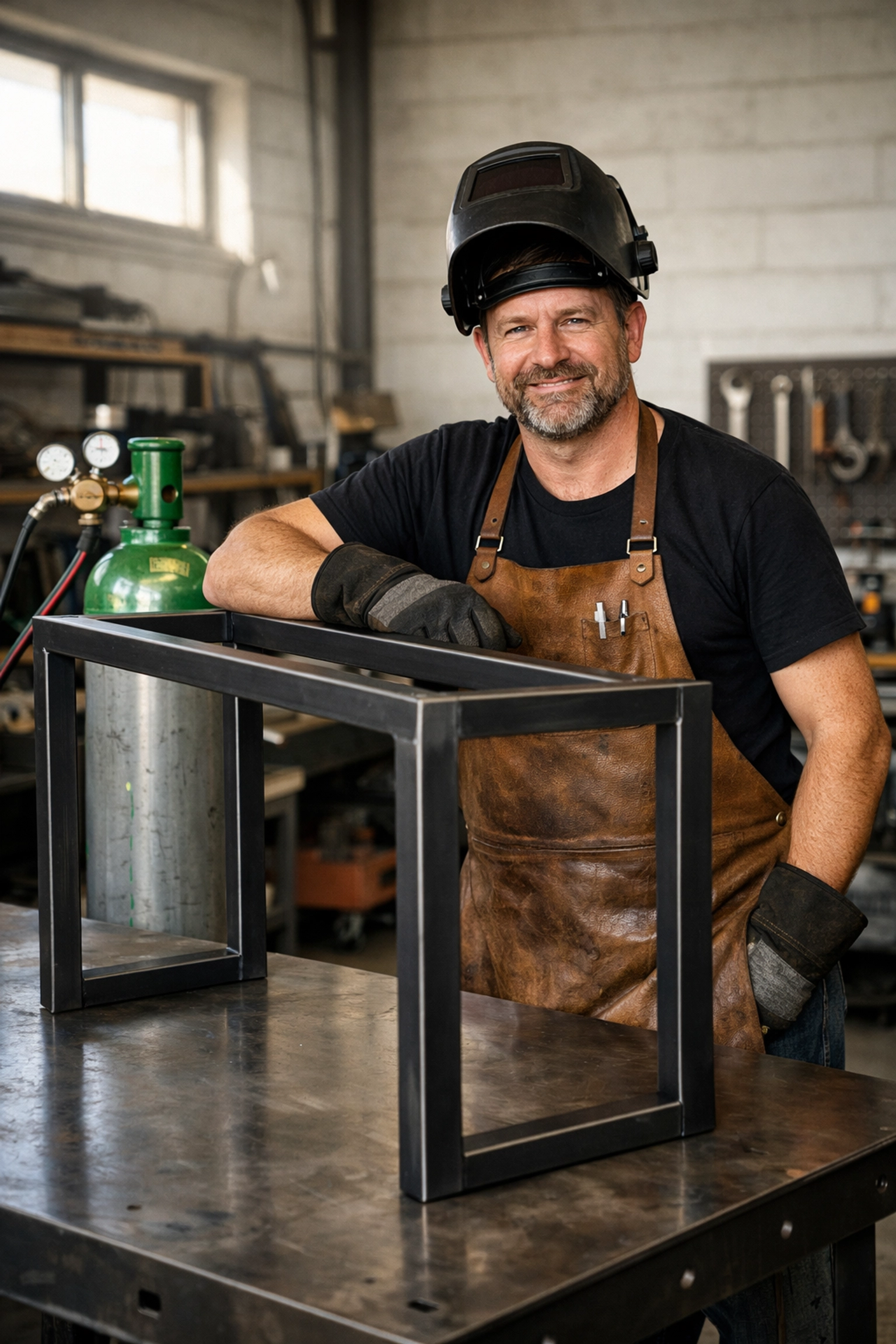
Making the Switch
If you’ve been relying on disposables and are tired of the constant "out of gas" interruptions, moving to a refillable system is easier than you think.
You’ll need:
- A refillable cylinder (check out our range of MIG/TIG gases).
- A compatible industrial regulator (disposable regulators won't fit).
- A small amount of floor space or a welding trolley.
At Bottle Gases, we pride ourselves on being the go-to industrial gas supplier in the UK. We’ve stripped away the complexity of gas supply. No confusing contracts, no monthly bills: just high-quality gas delivered to your door.
Whether you're looking for CO2 bottles for a home bar or high-purity Argon for precision welding, the choice of bottle size defines your workshop experience. Stop settling for the "quick fix" and start investing in a setup that works as hard as you do.
Ready to upgrade your workshop? Explore our full range of gas solutions and join the thousands of UK makers who have ditched the disposables for good. Your next project deserves a steady flow.