Cart 0

MIG Welding Gas Bottles: 20 Pro Tips to Get You Started
Ever been halfway through a perfect bead only for your weld to start sputtering and popping like a frying pan? Or perhaps you’ve looked at your monthly workshop bills and wondered why you’re paying a "rental fee" for a gas bottle that’s been sitting untouched for three weeks?
Setting up for MIG welding can feel like a bit of a dark art when you’re first starting out. Between choosing the right gas mix, figuring out flow rates, and trying not to break the bank on cylinder hire, there’s a lot to juggle. At Bottle Gases, we believe welding should be about the craft, not the paperwork.
Whether you’re a hobbyist restoring a classic Mini in your garage or a professional fabricator looking to streamline your overheads, these 20 pro tips will help you master your MIG welding gas setup.
1. Ditch the Rental Fees
Why pay for a bottle you don't own? Traditional gas suppliers often tie you into "rental" contracts that feel like a never-ending gym membership. If you aren't welding 24/7, those monthly fees eat your profit. At Bottle Gases, we specialise in a "deposit-based" system. You pay for the gas and a one-off deposit for the bottle. When you need a refill, you just pay for the gas. It’s like owning your car instead of leasing it: you’re in control.
2. Choose the Right Mix for Mild Steel
If you’re working with mild steel (the bread and butter of most UK workshops), a straight CO2 bottle is cheap, but it’s messy. For a smoother arc and less spatter, go for an Argon/CO2 mix. Usually, a 5% CO2 / 95% Argon mix is perfect for thinner materials (up to 5mm), while a 12% CO2 mix is the sweet spot for thicker structural work.
3. Position is Everything
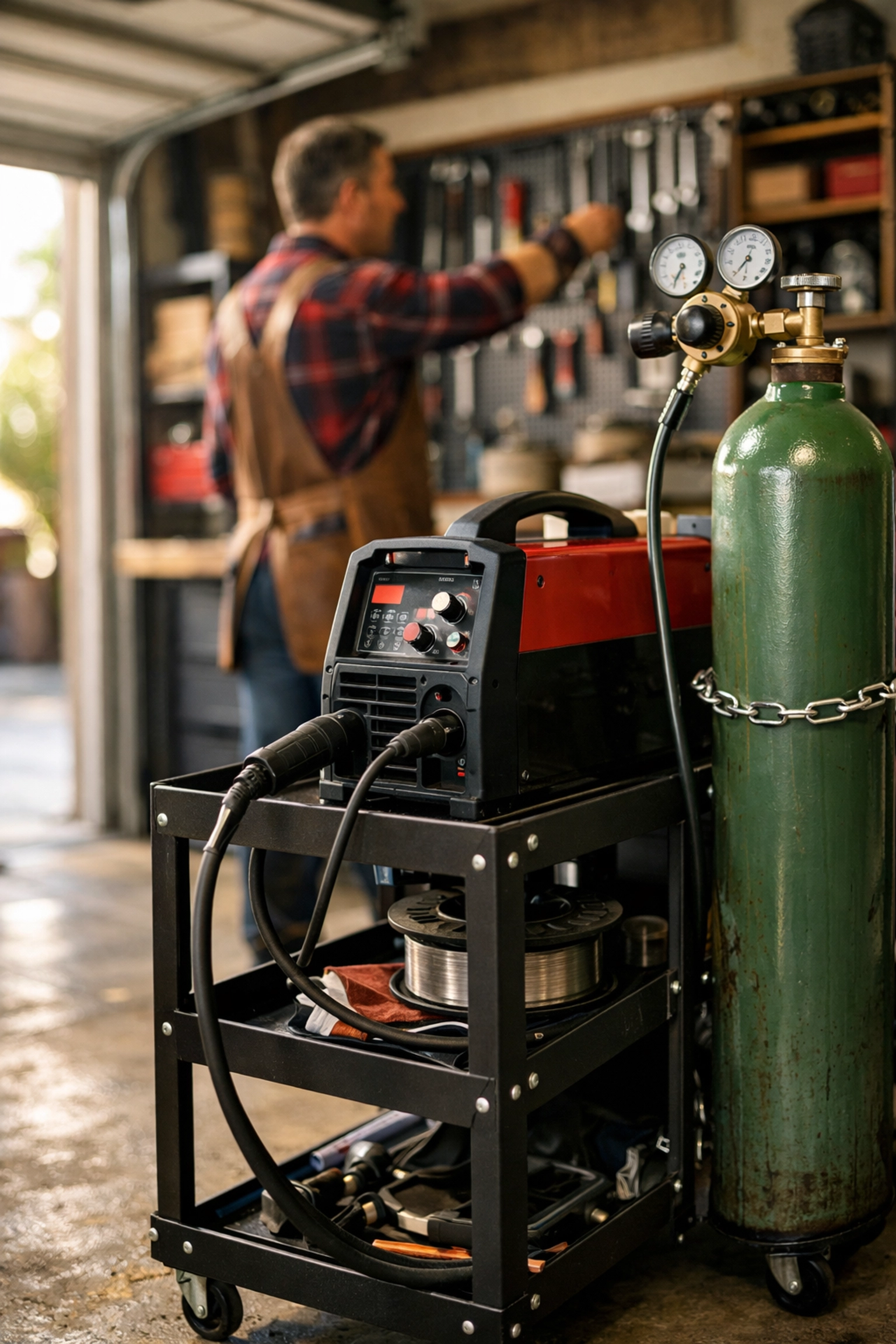
Always keep your gas cylinder upright. It might be tempting to tuck a small 10L bottle under a workbench on its side, but gas cylinders are designed to discharge in a vertical position. Securing it to a welding trolley or chaining it to a wall isn't just a "good idea": it’s essential for safety.
4. "Crack" the Valve Before Connecting
Before you even touch your regulator, open the cylinder valve just a tiny fraction for a split second and then close it. This "cracks" the valve and blows out any dust or grit that might have settled in the outlet. This prevents debris from entering your gas regulator and causing a leak or a blockage.
5. Master the Metric Flow Rate
In the UK, we generally measure flow in Liters per minute (L/min). For most indoor MIG welding, you want to set your flow rate between 10 and 12 L/min. If you’re welding in a drafty area, you might need to bump it up to 15 L/min, but be careful: too much flow can actually cause turbulence, sucking air into the weld pool and causing porosity.
6. Use the Right Regulator
Don't skimp on the hardware. A high-quality Argon regulator with a twin gauge is a lifesaver. One gauge tells you how much pressure is left in the bottle (so you don't run out mid-job), and the other shows your flow rate. It’s the difference between flying a plane with a fuel gauge and just hoping for the best.
7. The Soapy Water Trick
Suspect a leak? Don't just tighten everything until the threads strip. Mix a little washing-up liquid with water in a spray bottle and douse your connections. If bubbles start forming, you’ve found your leak. It’s a simple, old-school trick that saves you liters of expensive gas.
8. Understand Your Bottle Sizes
Are you a "weekend warrior" or a "full-time fabricator"?
- 2L Bottles: Great for quick portable repairs.
- 10L Bottles: The "Goldilocks" size for DIYers. Easy to move but lasts a decent amount of time.
- 20L Bottles: Best for small workshops.
Choosing the right size means fewer trips for refills. Check out our range of industrial gas cylinders to find your match.
9. Watch Out for the Wind
MIG welding is a "shielded" process. If you’re welding outside or near a large open roller door, even a gentle breeze can blow your shielding gas away. If you see tiny holes (porosity) in your weld that look like Aero chocolate, your gas isn't reaching the metal. Move indoors or set up a welding screen.
10. Pure Argon for Aluminium
If you’re moving away from steel and trying your hand at aluminium, your standard MIG mix won't work. You’ll need a pure Argon gas refill. Using the wrong gas for aluminium is a recipe for a black, sooty mess that simply won't stick.
11. Check Your Seals
Inside the regulator connection, there’s usually a small O-ring or washer. Over time, these can perish or get crushed. It’s a 50p part that can waste £50 worth of gas if it fails. Keep a few spares in your welding mask bag; you'll thank yourself later.
12. Don’t Over-Tighten
When attaching your regulator to the bottle, you want it "nipped" tight with a spanner, not "white-knuckle" tight. Over-tightening can damage the brass threads or the internal seals. If it leaks when it’s hand-tight plus a quarter turn, check the seals rather than reaching for a bigger wrench.
13. Distance Matters (Shroud-to-Work)
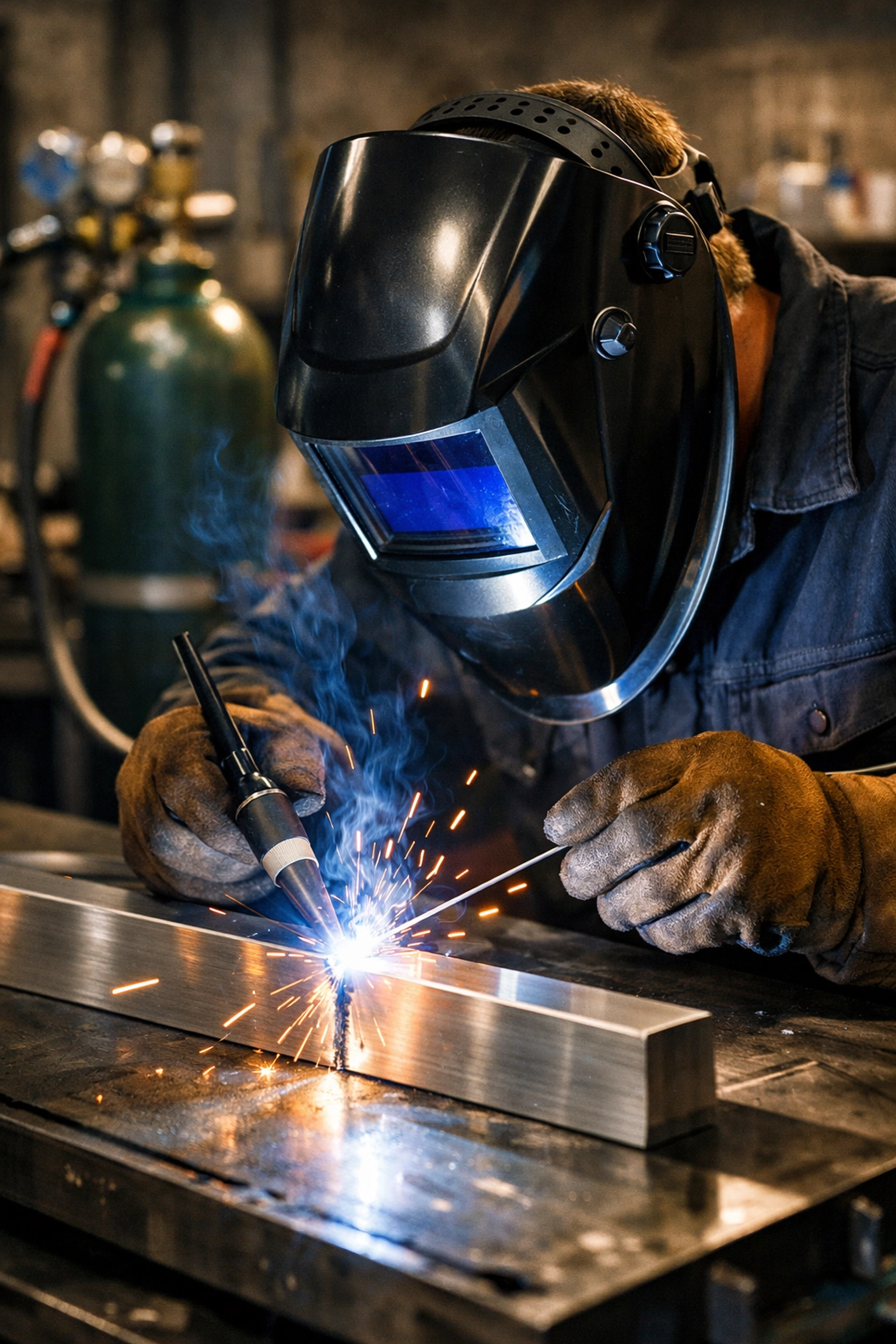
The distance between your torch shroud and the metal affects how well the gas covers the weld. Keep your "stick-out" (the bit of wire poking out) to about 10mm. If you hold the torch too far away, the gas disperses before it can protect the molten puddle.
14. Close the Valve Every Single Time
It sounds obvious, but even the best setups can have microscopic leaks. If you leave the bottle valve open overnight, you might come back to a 200-bar cylinder that’s completely empty. Make it a habit: welder off, gas off. It’s a "breath of fresh air" for your wallet.
15. Keep it Cool
Gas bottles don't like extreme heat. Never store your cylinders near a furnace, heater, or in direct, scorching sunlight for extended periods. Pressure increases with temperature, and while cylinders have safety valves, it’s best not to test them!
16. Use Professional Nationwide Delivery
Gone are the days of trying to wedge a heavy gas bottle into the boot of a Ford Fiesta. It’s heavy, it’s dangerous, and it’s a hassle. We offer nationwide delivery across the UK, bringing the gas straight to your workshop door. It’s safer, easier, and lets you get on with the actual welding.
17. Monitor Your Pressure
If your gauge starts dipping into the red, don't wait until it hits zero to order a refill. In the UK, we use high-pressure cylinders (often up to 200 bar). Once the pressure drops significantly, the flow can become inconsistent, leading to "dirty" welds.
18. Clean Your Shroud
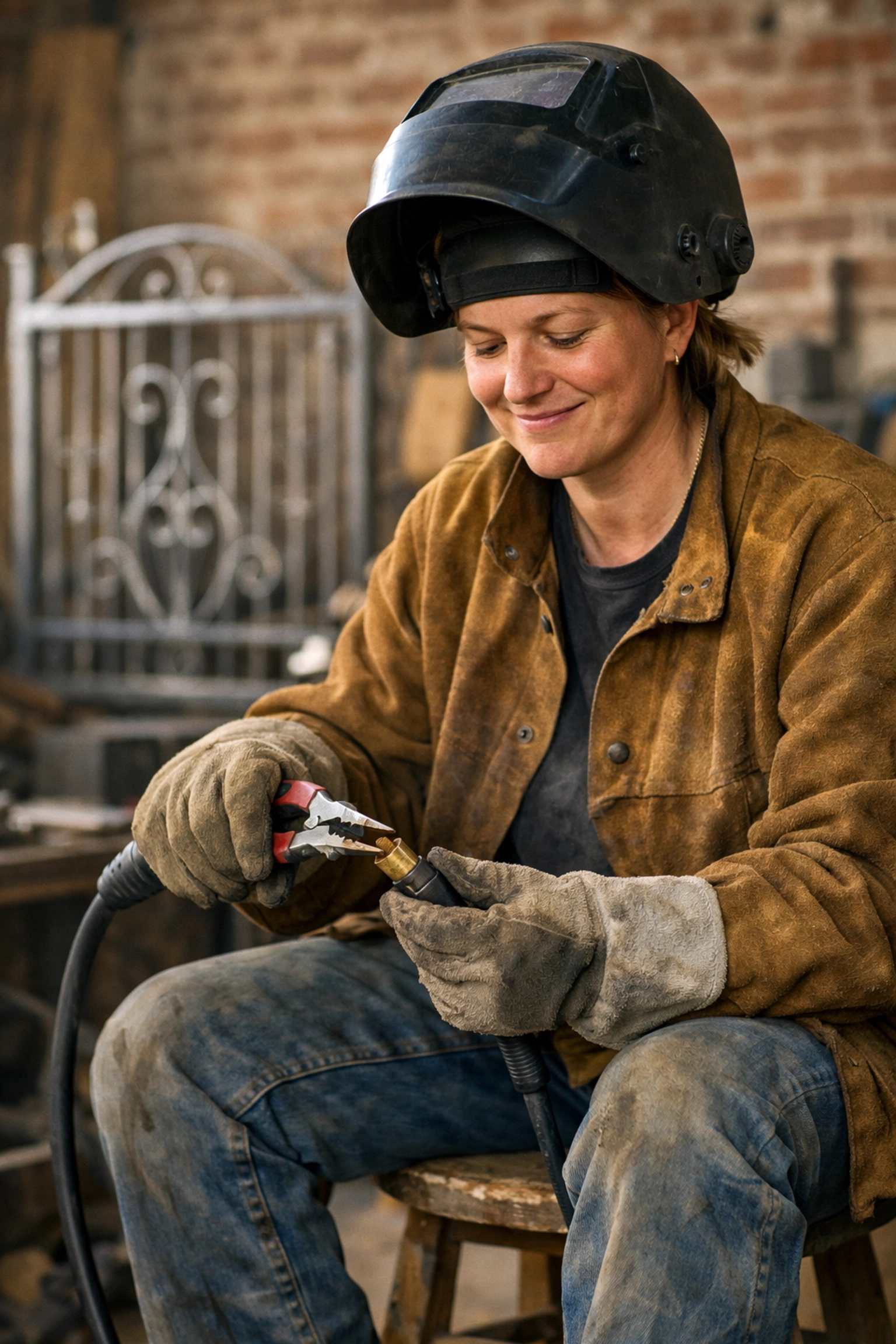
As you weld, tiny bits of molten metal (spatter) will fly up and stick to the inside of your torch shroud. If enough builds up, it can block the gas flow or cause a short circuit. Use a pair of MIG pliers to keep the shroud clean and spray a bit of anti-spatter dip on it to keep things moving.
19. Grounding is Part of the Circuit
While not directly related to the gas, a poor ground clamp connection can cause an unstable arc, which makes you think you have a gas issue. Ensure your ground clamp is on clean, bare metal. If the arc is jumping and stuttering, you're wasting gas while trying to get it to settle.
20. Know Your Supplier
At Bottle Gases, we pride ourselves on being more than just a shop. Whether you need TIG welding gas for precision work or CO2 for your home bar, we provide expert advice without the corporate jargon. We know that a hobbyist in a shed has different needs than a large factory, and we treat both with the same professional respect.
Ready to get welding?
Choosing the right gas shouldn't feel like a chore. By focusing on the right mix, setting your L/min correctly, and ditching those pesky rental fees, you can focus on what really matters: creating something great.
If you're unsure which bottle size is right for your project, or you're ready to make the switch to a no-hidden-fee supplier, take a look at our full range of welding gases today. We’ll get you set up, delivered, and back under the mask in no time.