Blog
How to Choose the Best MIG Welding Gas (Compared: Pure Argon vs Mixes)

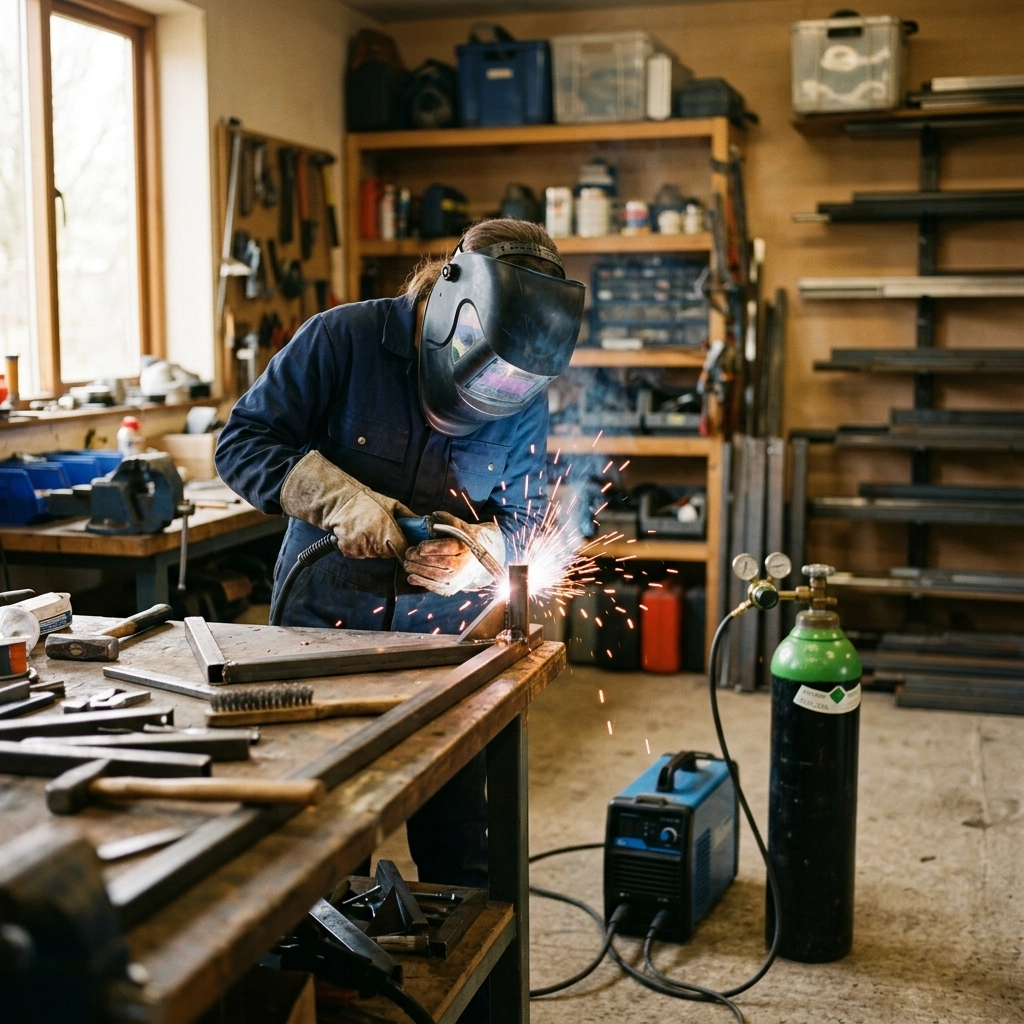
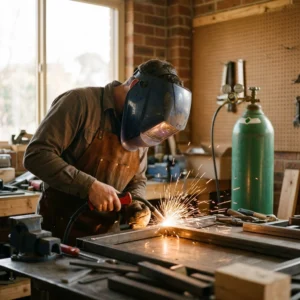
Have you ever spent an hour meticulously cleaning your metal, setting up your clamps, and dialling in your machine, only for your weld to look like a pigeon had a bad day? You’ve got the power right, your wire speed is spot on, but the weld is sitting tall, covered in spatter, or, worse, full of tiny pinholes. If that sounds familiar, the culprit might be the invisible partner in your workshop: your shielding gas.
Choosing the right MIG welding gas can feel like a dark art. Do you go for pure Argon? Is a mix better? What on earth does "5% CO2" actually do for your weld pool? It’s enough to make even a seasoned pro scratch their head. At Bottle Gases, we believe that understanding your gas shouldn't require a degree in chemistry. Whether you're a DIY enthusiast fixing a classic car or a professional fabricator running a busy workshop, the right gas is the difference between a "that'll do" job and a "that’s professional" finish.
Why Does Gas Matter So Much?
Before we dive into the "which," let's talk about the "why." In MIG (Metal Inert Gas) welding, the gas has one primary job: to act as a bodyguard. When you strike an arc, the molten metal is incredibly hungry for oxygen and nitrogen from the surrounding air. If those gases get into your weld, they cause porosity (bubbles), brittleness, and a whole lot of mess.
The shielding gas creates a protective bubble around the arc and the weld pool, keeping the "bad" air out. But different gases do more than just protect; they change how much heat gets into the metal, how deep the weld penetrates, and how much "spatter" (those annoying little metal balls) gets stuck to your workpiece.
Pure Argon: The Smooth Operator
You might have heard that Pure Argon is the gold standard for welding. While that’s true for some applications, using it for everything is a bit like using a silk tie to tow a car, it’s high quality, but it might not be the right tool for the job.
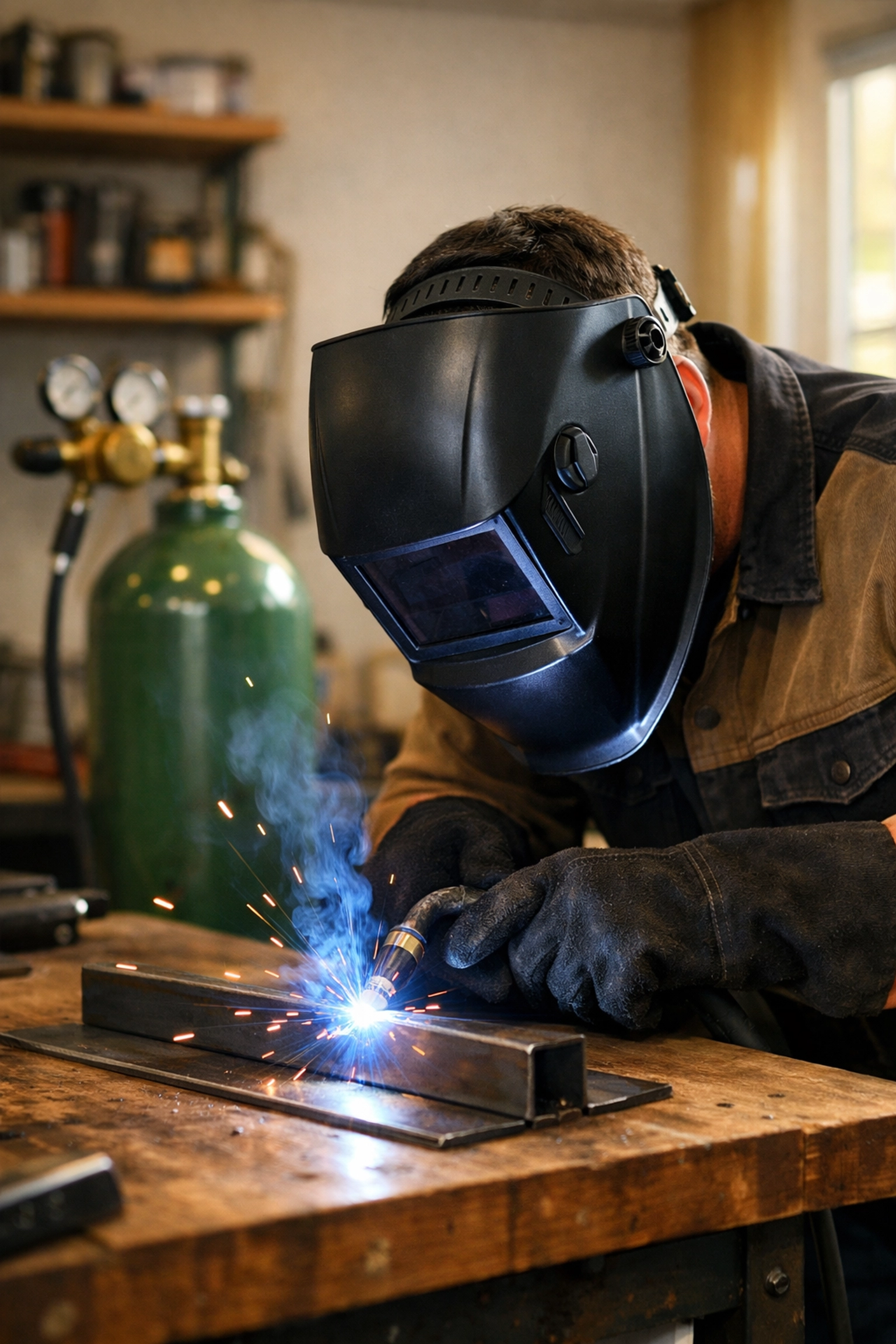
Pure Argon is an inert gas, meaning it doesn’t react with anything. This makes it incredibly stable. If you are TIG welding, Pure Argon is your best friend. However, in MIG welding, Pure Argon is almost exclusively reserved for non-ferrous metals like aluminium.
Why Pure Argon for Aluminium?
Aluminium is sensitive. It needs a very clean, stable arc. Pure Argon provides a "cleaning action" that helps break through the oxide layer on the surface of the aluminium. If you’re working on thick aluminium plates, you might even see professionals using an Argon/Helium mix to get more heat into the metal, but for most of us, Pure Argon is the go-to.
The Downside for Steel:
If you try to use 100% Argon on mild steel, you’ll notice the arc feels "lazy." The weld pool will be narrow and won't "wet out" (spread) properly, leading to a tall, ropey-looking bead with poor penetration at the edges.
The Power of the Mix: Why Argon/CO2 is King
If you’re welding mild steel, which, let’s face it, is what 90% of us are doing, then a mixed gas is your secret weapon. By adding a little bit of CO2 (Carbon Dioxide) to the Argon, we create a "semi-inert" gas that performs much better on steel.
Think of it like adding a bit of spice to a dish. The Argon keeps the arc stable and smooth, while the CO2 adds "bite" and heat, helping the weld penetrate deeper into the steel.
1. The 5% Mix (95% Argon / 5% CO2)
This is the "delicate touch" of the welding world. It’s perfect for thin materials, typically under 6mm. If you’re working on car bodywork or thin-walled tubing, this is likely what you need. It produces very little spatter and a very smooth finish, saving you hours of grinding later.
2. The 12% to 25% Mix
This is the workhorse. A 12% or 15% CO2 mix is often the "sweet spot" for general fabrication. It provides excellent penetration on thicker steels (over 6mm) and keeps the weld pool fluid enough to get a nice, flat bead. If you're building a trailer, a gate, or structural supports, this is your gas.
What About Stainless Steel?
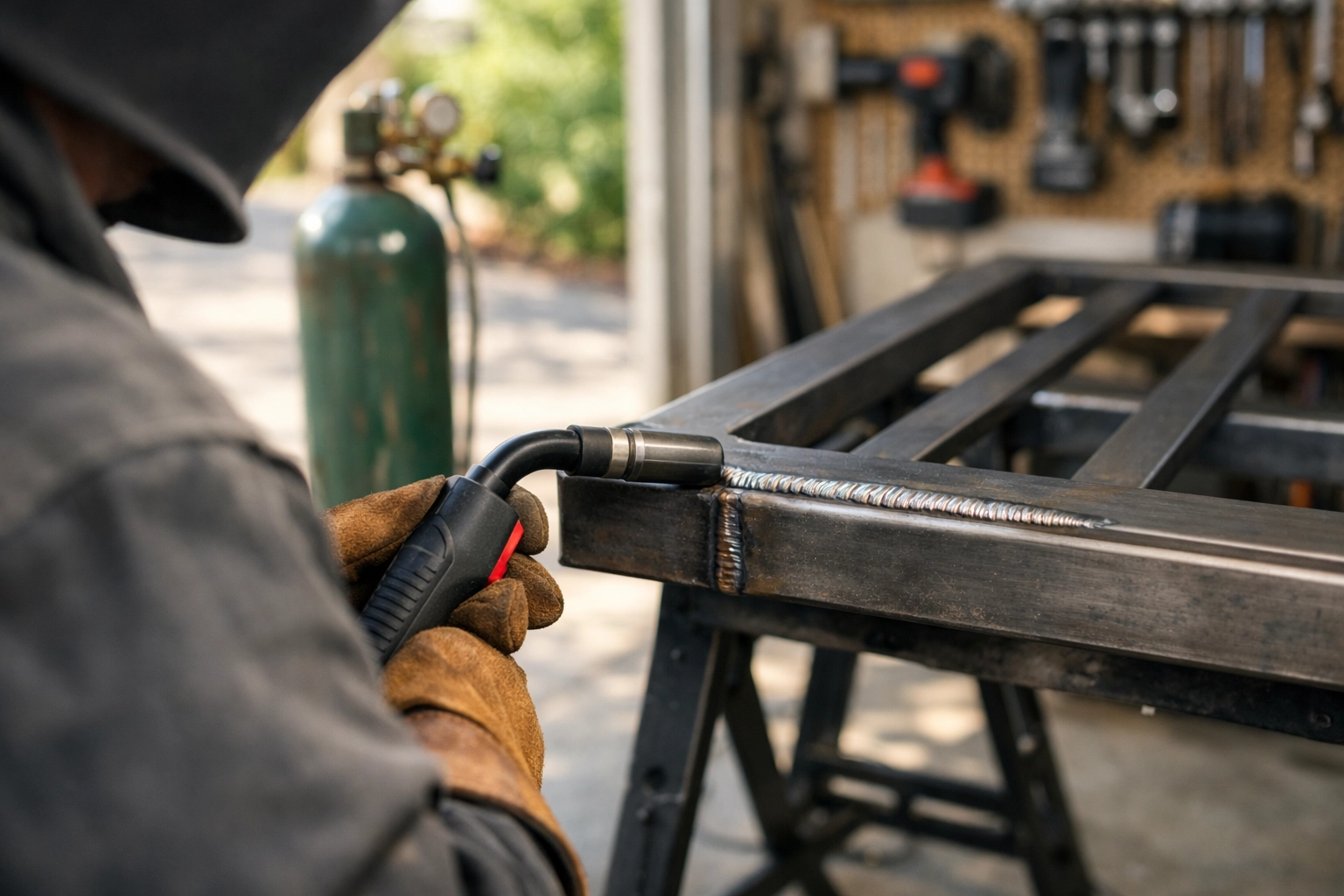
Stainless steel is a different beast altogether. If you use a standard mild steel mix (like 15% CO2), the carbon in the gas can actually contaminate the stainless steel, leading to rust. Yes, you can make your stainless steel rust just by using the wrong gas!
For stainless, you want a "Universal Stainless" mix, which usually contains a very small amount of CO2 (around 2%) or even a "Tri-mix" containing Argon, Helium, and CO2. This keeps the weld "stainless" while providing enough heat to get the job done. You can find specifically tailored options in our MIG welding gas section.
Comparing Your Options: A Quick Guide
| Material | Recommended Gas | Result |
|---|---|---|
| Mild Steel (Thin <6mm) | 5% CO2 / 95% Argon | Low spatter, smooth finish. |
| Mild Steel (Thick >6mm) | 12-25% CO2 / Argon Mix | Deep penetration, strong welds. |
| Aluminium | Pure Argon | Clean arc, breaks through oxides. |
| Stainless Steel | 2% CO2 / Argon Mix | Maintains corrosion resistance. |
The "Hidden" Cost of Gas: Rental Fees vs. Ownership
Are you tired of feeling like you're paying for a gas bottle that just sits in the corner of your garage? One of the biggest frustrations for hobbyists and small businesses is the "monthly rental fee." Traditional gas suppliers often charge you a recurring fee just to have the bottle on your premises. Over a year, that "cheap" gas can become very expensive.
At Bottle Gases, we do things differently. We believe in Rent-Free Cylinders.
Think of it like the difference between leasing a car and owning one. When you buy from us, you pay a one-off deposit for the bottle and then just pay for the gas. No monthly invoices, no "standing charges," and no stress. When the bottle is empty, you simply swap it for a full one and only pay for the gas refill. It’s a breath of fresh air for your bank account, especially if you aren't welding every single day.
How Much Gas Do You Actually Need?
Gas bottles come in various sizes, usually measured in Litres.
- 9 Litre Bottles: Perfect for the mobile welder or the DIYer with limited space. They are easy to move around (weighing roughly 15-20kg) but still hold enough gas for several hours of continuous welding.
- 20 Litre Bottles: The "Goldilocks" size for small workshops. Plenty of capacity so you won't run out mid-job, but still manageable.
- 50 Litre Bottles: For the heavy hitters. If you’re welding all day, every day, this is the most cost-effective way to buy gas.
Remember, if you’re using a standard flow rate of about 10-12 Litres per minute, a 9L bottle (filled to 200 bar) will give you roughly 1.5 to 2 hours of actual "trigger time."
Safety First: Don't Skimp on the Equipment
You wouldn't drive a car without a dashboard, so don't weld without a good gas regulator. A regulator's job is to take the high pressure inside the bottle (often 200 bar: which is a lot!) and step it down to a gentle flow you can use.
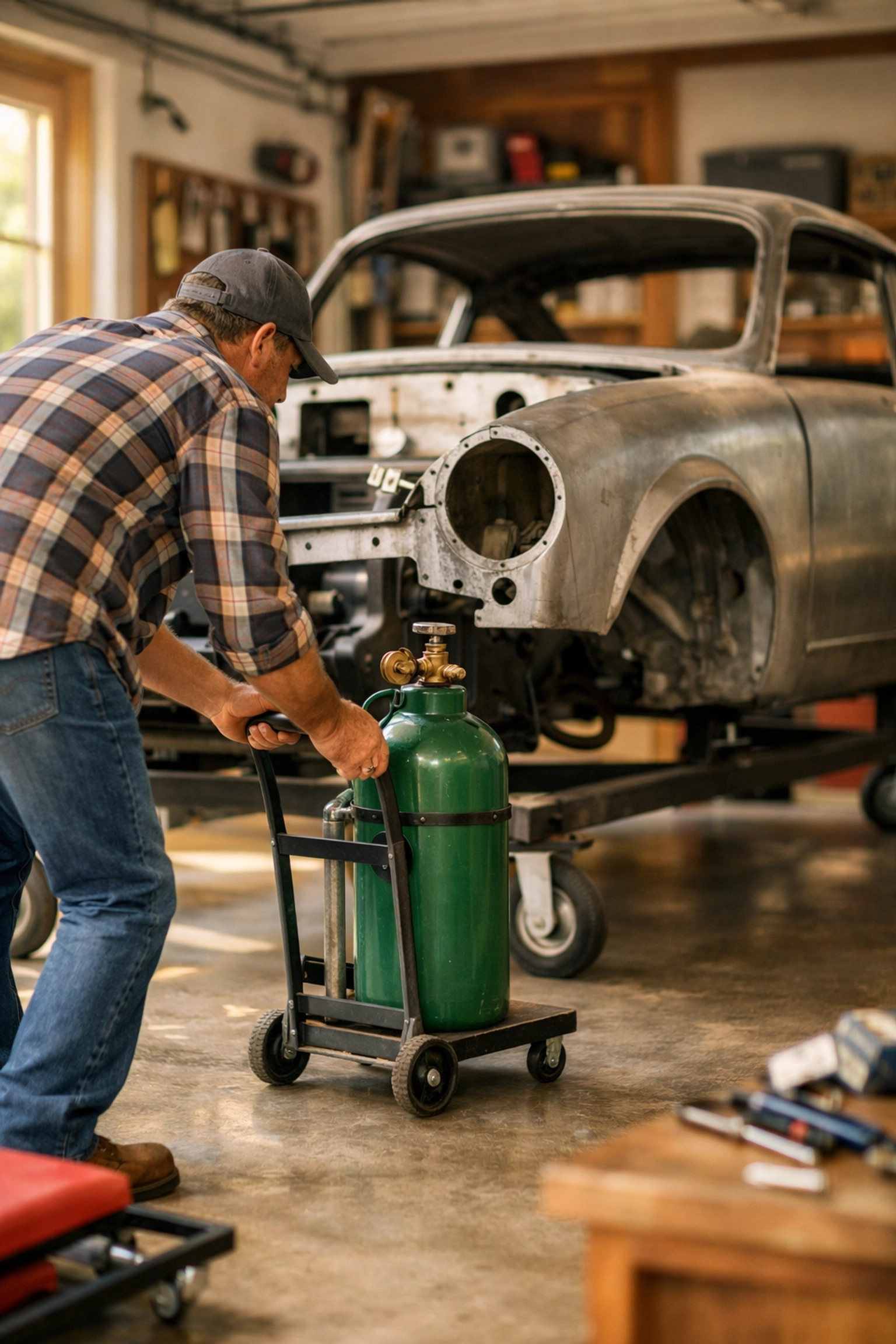
Always ensure your bottles are stored upright and secured so they can't tip over. If you’re moving them around the site, use a proper trolley. For more tips on keeping your workshop safe, check out our Welding Gas Safety Guide.
Why Choose Bottle Gases for Your MIG Needs?
We know you have choices when it comes to your industrial gas supplier. Here’s why welders across the UK keep coming back to us:
- Competitive Pricing: We keep our prices sharp so you can keep your margins healthy.
- No Recurring Rental Fees: As mentioned, our rent-free model is designed to save you money in the long run.
- Nationwide Delivery: It doesn't matter if you're in the heart of London or the Scottish Highlands; we offer reliable delivery across the UK.
- Expert Advice: Not sure which mix you need? Steve and the team are always happy to help you find the right bottle for your specific machine and project.
Ready to Level Up Your Welds?
Choosing the right MIG gas shouldn't be a headache. By matching your gas to your material and thickness, you'll find that your welds look better, stay stronger, and require much less cleanup.
Whether you need a small bottle of Pure Argon for an aluminium project or a 20L mix for a heavy-duty steel build, we’ve got you covered. Don't let a "rental fee" drain your workshop budget: switch to a rent-free cylinder today and feel the difference.
Ready to get started? Explore our full range of MIG welding gas bottles and get back to what you do best: creating great work. If you have any questions about which size or mix is right for you, feel free to contact us( we're here to help!)