Blog
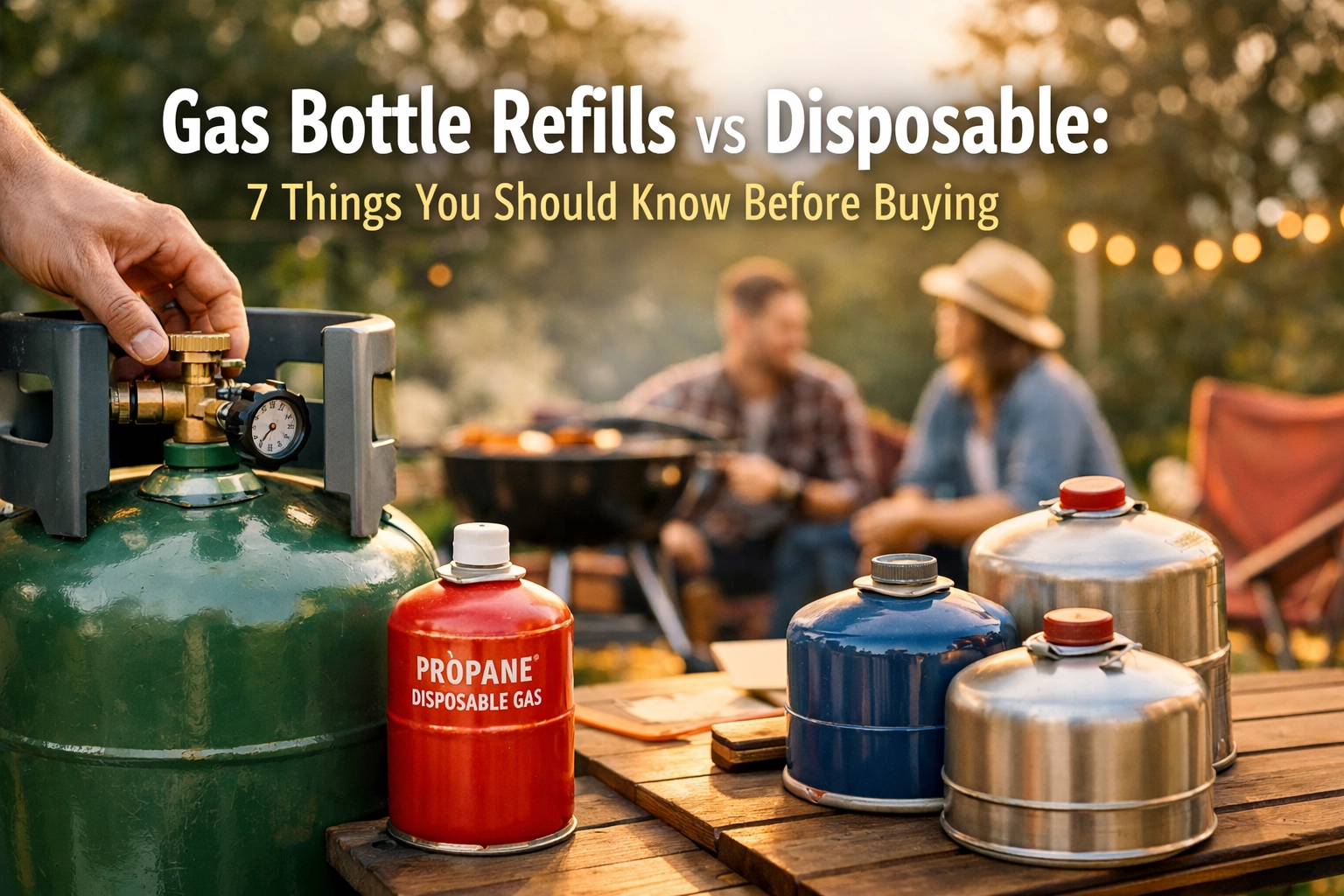
Gas Bottle Refills vs Disposable: 7 Things You Should Know Before Buying

Ever stood in the gas bottle aisle wondering if you're about to make an expensive mistake? You're not alone. The choice between refillable and disposable gas cylinders feels a bit like choosing between buying or leasing a car: and just like that decision, getting it wrong can cost you a small fortune over time.
Whether you're firing up the BBQ, running a MIG welding operation, or keeping the beer flowing at your pub, the type of gas cylinder you choose affects everything from your wallet to the environment. Let's cut through the confusion and break down exactly what you need to know.
1. Your Wallet Will Thank You for Going Refillable (Eventually)
Here's the thing about disposable cylinders: they're brilliant at hiding their true cost. That £5-8 disposable bottle looks like a bargain compared to a £40-60 refillable cylinder, right? Wrong.
Think of it like printer ink. The initial purchase seems cheap, but you're paying premium prices every single time you replace it. With disposable cylinders, you're essentially buying a brand new container every time you need gas. With refillables, you're only paying for the gas itself after that first purchase.
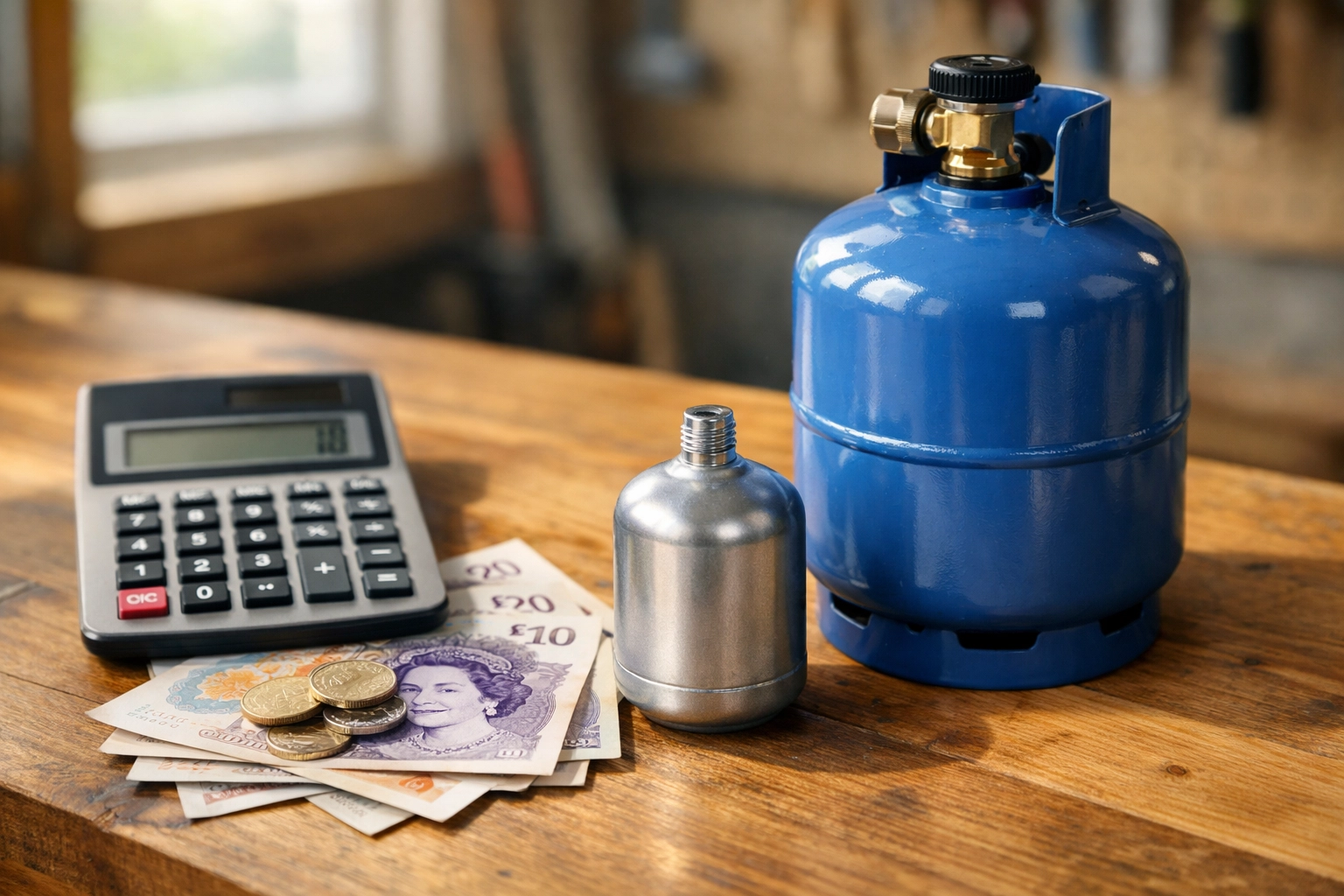
Let's do the maths: a typical disposable helium cylinder might cost around £30-40 and give you maybe 30 balloons worth of gas. A refillable cylinder costs more upfront but the refill is often 40-60% cheaper per litre. If you're filling balloons for events regularly, you'll break even after just three or four uses: and after that, you're laughing all the way to the bank.
For businesses using CO2 for pubs and bars or welding gases daily, the savings become eye-watering. We're talking hundreds: sometimes thousands: of pounds per year.
2. The Environmental Elephant in the Room
Remember those 40 million disposable gas bottles mentioned earlier? That's a global figure, but the UK contributes its fair share to that mountain of waste. Every disposable cylinder you chuck is another piece of metal sitting in a landfill for decades, slowly (very slowly) breaking down.
Refillable cylinders are the environmental equivalent of using a reusable water bottle instead of buying plastic ones daily. One cylinder, multiple uses, dramatically less waste. It's not just tree-hugging nonsense: it's practical sustainability that actually makes sense for your bottom line too.
If you're running an events business or party hire company, switching to refillable helium cylinders isn't just good PR: it's genuinely good for the planet. And let's be honest, customers increasingly care about this stuff.
3. Safety First Isn't Just a Catchy Slogan
Here's something that might surprise you: refillable cylinders are actually safer than disposable ones. Sounds backwards, doesn't it?
Refillable LPG bottles and gas cylinders come equipped with overfill protection valves (OPVs) that prevent overfilling: they're designed to keep the cylinder at a safe 80% capacity, leaving room for gas expansion. Disposable cylinders? They're built to a price point, with thinner walls and fewer safety features.
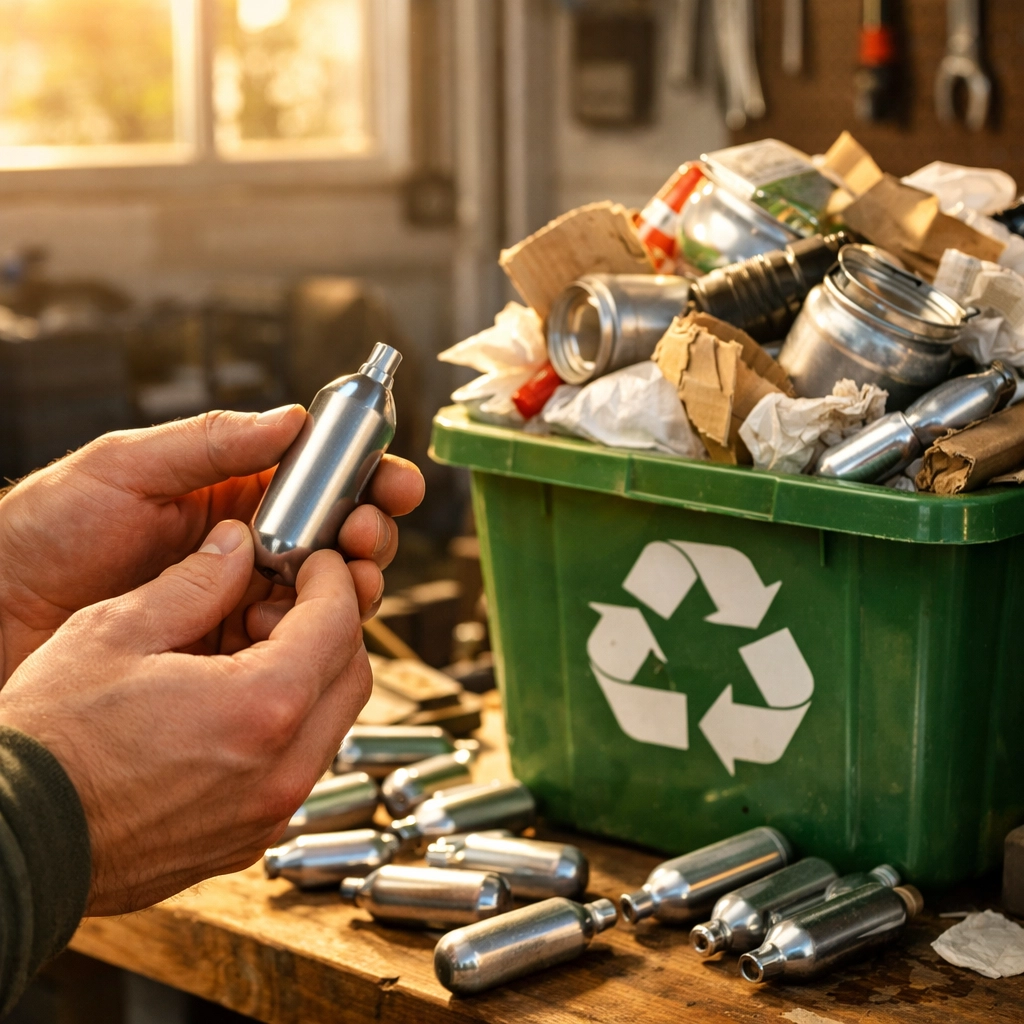
Think of it like comparing a cheap knock-off phone charger to an official one. Sure, the cheap one works, but it doesn't have the same built-in protections. For something as potentially hazardous as pressurised gas, that's not a gamble worth taking.
This is especially crucial if you're working with welding gases or industrial applications where safety standards aren't just recommendations: they're legal requirements. Refillable cylinders undergo regular inspections and testing. Disposables? They're one-and-done, with no ongoing safety checks.
4. It's Actually Illegal to Refill Disposable Cylinders
Spotted someone trying to refill a disposable cylinder at a service station? They're breaking the law: and risking a nasty accident.
Only Department of Transport (DOT) approved refillable tanks can be legally refilled in the UK. Disposable cylinders simply don't have the structural integrity, proper valves, or safety features needed for the refilling process. The metal is thinner, the seals aren't designed for multiple uses, and the valves can't handle repeated opening and closing.
It's a bit like trying to refill a disposable coffee cup with boiling water fifty times: eventually, something's going to give. And when that something is a pressurised gas cylinder, the consequences can be serious.
If you're purchasing gas cylinders for business use, using non-approved containers could invalidate your insurance and leave you liable for any accidents. Not worth it.
5. The Disposal Headache You Didn't Know You Signed Up For
So your disposable cylinder is empty. Job done, right? Chuck it in the bin and move on? Absolutely not.
Disposing of gas cylinders: even "empty" ones: requires taking them to a hazardous waste collection facility. You can't just toss them in your regular rubbish. In many areas, you'll need to have the cylinder professionally depressurised first, which typically involves fees.
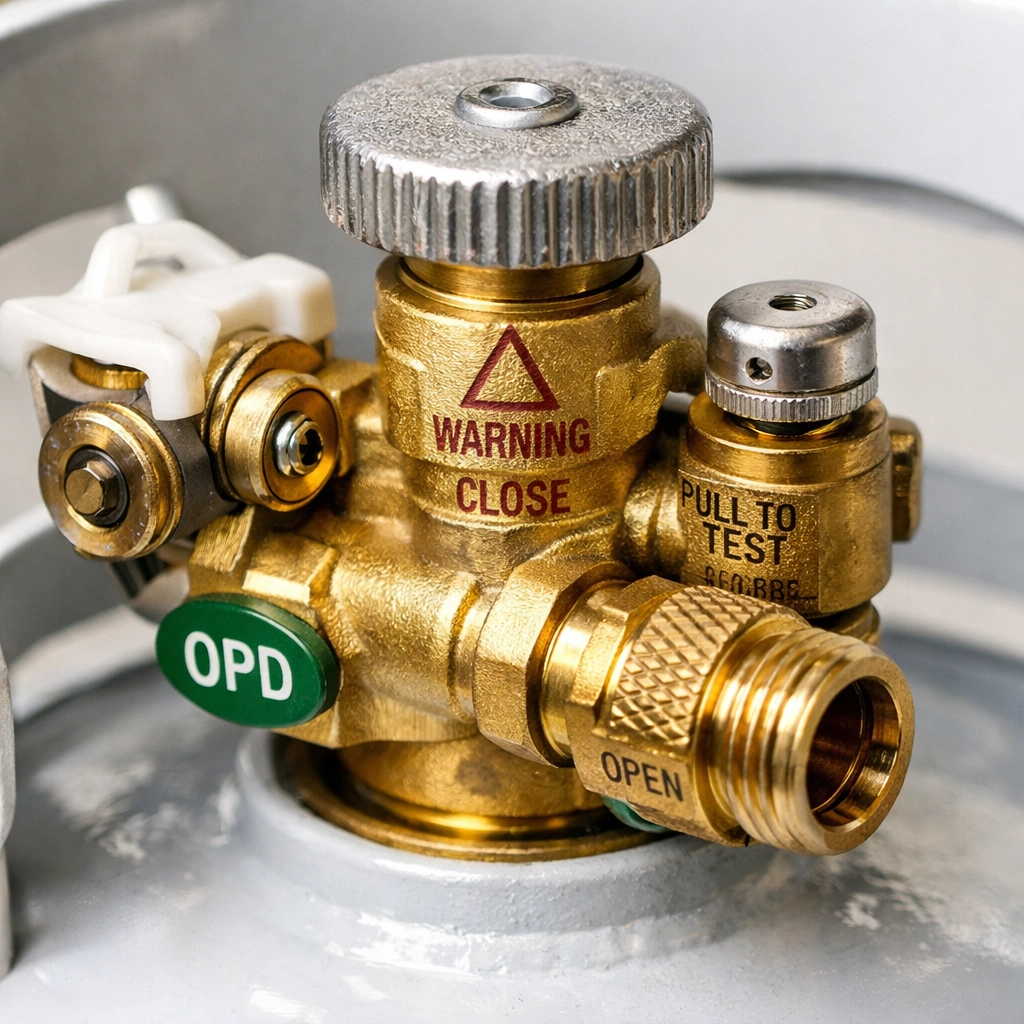
It's like buying a product that comes with homework. You thought you were done when you used the gas, but surprise: there's a whole disposal process waiting for you. And unlike with refillables, you're doing this dance every single time you run out.
With refillable cylinders from suppliers offering nationwide delivery like Bottle Gases, you simply arrange a refill when you're running low. No special disposal trips, no hazardous waste facilities, no hassle. Just seamless gas supply.
6. Reliability When You Actually Need It
Picture this: You're halfway through welding a critical project when your disposable cylinder sputters out. Or you're inflating balloons for a birthday party that starts in two hours and: whoops: the helium's gone.
With disposable cylinders, you're at the mercy of supply availability and shop opening hours. Need gas at 7pm on a Sunday? Good luck finding a shop that stocks what you need.
Refillable cylinders offer a different kind of reliability. You can track how much gas you've used, plan your refills in advance, and many suppliers: including Bottle Gases: offer delivery services that bring fresh cylinders right to your door. No panic buying, no last-minute scrambles, no projects grinding to a halt.
For businesses using nitrogen for food applications or beer gas for cellar systems, this reliability isn't just convenient: it's essential. Running out mid-service isn't an option.
7. Size Matters (But So Does How Often You Use It)
Here's where disposables might actually make sense: if you need gas once in a blue moon, a small disposable cylinder could be your friend. Using helium for your kid's birthday party once a year? A disposable might be perfectly adequate.
But: and it's a big but: the moment your usage becomes regular, refillables win hands down. Refillable cylinders typically hold more gas (from 5kg up to 47kg for larger bottles), meaning fewer trips for refills and better value per litre.
Think about your actual usage pattern. Are you a hobbyist welder working weekends? A caterer who needs food-grade CO2 weekly? An events company doing multiple gigs per month? If you're using gas more than a handful of times per year, refillables are almost certainly the smarter choice.
Making the Switch: Easier Than You Think
The beauty of choosing refillable cylinders is that you're not locked into complicated rental agreements or recurring fees. Unlike traditional gas suppliers who charge monthly rental fees whether you're using the gas or not, purchasing your own refillable cylinder means you only pay for gas when you actually need it.
With competitive pricing and straightforward service, getting set up with refillable cylinders is refreshingly simple. You buy the cylinder once, get it refilled when needed, and avoid all the paperwork and ongoing costs that come with rental schemes.
Whether you need helium for events, welding gases for your workshop, or CO2 for your pub, the initial investment in a refillable cylinder quickly proves its worth. It's not just about saving money: it's about convenience, reliability, and making a choice that actually makes sense for how you work.
The decision between refillable and disposable gas cylinders might seem complicated at first glance, but when you break it down, the answer becomes pretty clear for most users. Unless you're an incredibly occasional user, refillable cylinders offer better value, improved safety, environmental benefits, and significantly less hassle over time.
Your choice of gas cylinder might not seem like a big deal today, but make the right decision now and you'll be reaping the benefits for years to come.