Blog

Examples of Gases in Everyday Life: At Home, Work, and Play

Ever wonder what you're actually breathing right now? Or why your kitchen stove makes that distinctive whooshing sound when you turn it on? The truth is, gases are everywhere around us – invisible players in nearly every aspect of our daily lives. From the moment you wake up until you drift off to sleep, you're surrounded by a fascinating world of gases that power, protect, and sometimes surprise us.
Let's take a journey through your typical day and discover just how many gases are quietly working behind the scenes in your home, workplace, and leisure activities.
The Hidden Gas World in Your Home
Your home is essentially a complex ecosystem of gases, many of which you never see or think about. Natural gas is probably the most obvious one – that's what's flowing through your pipes to power your cooker, boiler, or fireplace. But here's something interesting: natural gas is actually odourless. That distinctive "rotten egg" smell? That's a safety additive called mercaptan, deliberately added so you can detect gas leaks before they become dangerous.
Walk into any room in your house, and you're encountering what scientists call Volatile Organic Compounds (VOCs). These invisible gases are constantly being released from everyday items around you. That fresh paint smell? That's toluene and benzene evaporating into the air. Your beautiful hardwood floors are slowly releasing formaldehyde, while your carpets contribute their own cocktail of acetone and xylene.

Even your cleaning routine involves more gases than you might realise. Your nail polish remover is releasing acetone vapours, while your glass cleaner contains ethanol that evaporates as you use it. And here's a crucial safety tip: never mix cleaning products! Combining bleach with ammonia creates dangerous chloramine gas, while mixing bleach with acidic cleaners produces chlorine gas – both potentially lethal in enclosed spaces.
But it's not all about synthetic chemicals. Every time you light a candle for ambiance or fire up your wood-burning stove for that cosy winter feeling, you're releasing carbon monoxide and various combustion gases into your environment. Your home's ventilation system works overtime to manage these invisible inhabitants, cycling in fresh air while filtering out potentially harmful concentrations.
The Professional Gas Landscape at Work
Step into almost any workplace, and you'll find gases playing crucial roles in getting business done. In restaurants and pubs, carbon dioxide is the unsung hero behind every perfectly carbonated pint and soft drink. Meanwhile, the kitchen likely runs on propane or natural gas for cooking, with industrial-strength extraction systems managing the combustion gases.

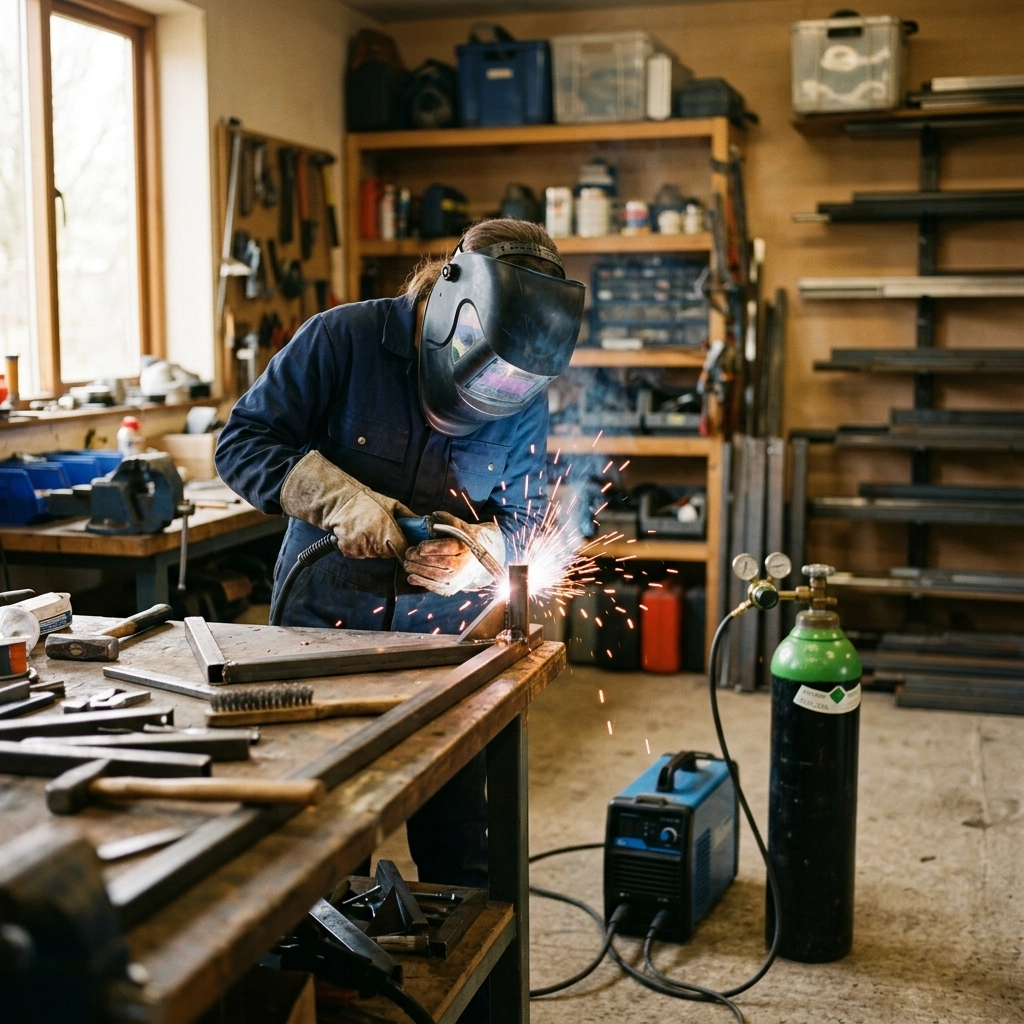
If you work in manufacturing or construction, you're probably familiar with welding gases like argon, helium, or oxygen-acetylene mixtures. These gases create the perfect conditions for joining metals, each one carefully chosen for specific applications. Argon provides an inert atmosphere for TIG welding, while acetylene burns hot enough to cut through thick steel plates.
Healthcare environments rely heavily on medical gases. Oxygen is the obvious one, but hospitals also use nitrous oxide (yes, laughing gas) for anaesthesia, carbon dioxide for surgical procedures, and helium mixed with oxygen for patients with breathing difficulties. Even dental practices use these specialised gas mixtures daily.
Office environments have their own gas considerations too. Photocopiers and laser printers generate small amounts of ozone, while underground car parks and loading bays can accumulate carbon monoxide from vehicle emissions. Modern buildings are designed with sophisticated ventilation systems to manage these workplace gas challenges.
Gases That Make Play Possible
Your leisure time is also powered by gases, often in ways that directly enhance your enjoyment. Planning a camping trip or caravan holiday? You're probably packing propane or butane canisters for your portable stove and heater. These clean-burning gases give you the freedom to cook and stay warm anywhere, making outdoor adventures more comfortable and enjoyable.

BBQ enthusiasts know that propane delivers consistent heat and precise temperature control, while charcoal (which releases various gases as it burns) provides that distinctive smoky flavour. Food trucks and outdoor caterers rely on propane systems that can handle high-volume cooking while remaining portable and efficient.
Sports and recreational activities involve gases too. Compressed air fills your car tyres for that weekend road trip, while helium makes party balloons float and creates those amusing voice-changing effects that never fail to make children giggle. Scuba diving introduces you to carefully mixed breathing gases – sometimes including helium for deep dives to prevent nitrogen narcosis.
Event organisers and theatrical productions use carbon dioxide for dramatic fog effects, while nitrogen systems preserve beer quality at festivals and outdoor events. Even something as simple as a fizzy drink at the cinema involves carbon dioxide under pressure, creating those refreshing bubbles.
Safety First: Respecting the Invisible
While most gas encounters in daily life are perfectly safe when handled properly, it's worth understanding the basics of gas safety. Carbon monoxide is particularly dangerous because it's odourless and can accumulate from faulty boilers, blocked flues, or running petrol engines in enclosed spaces. Every home should have a carbon monoxide detector – it's as important as a smoke alarm.

Natural gas leaks are usually detectable by smell, but if you suspect a leak, don't use electrical switches or naked flames. Open windows, evacuate the area, and call the gas emergency line. Similarly, propane is heavier than air, so leaks can accumulate in low-lying areas like basements or boat hulls.
When using compressed gases for welding or other applications, proper ventilation is essential. Many industrial gases can displace oxygen in enclosed spaces, creating suffocation risks even when the gases themselves aren't toxic.
The Professional Touch Makes the Difference
Understanding the gases around us helps us appreciate their importance, but it also highlights why professional supply and safety expertise matters. Whether you need welding gases for your workshop, camping gas for outdoor adventures, or industrial gases for your business, working with experienced suppliers ensures you get the right gas for the job – safely and reliably.
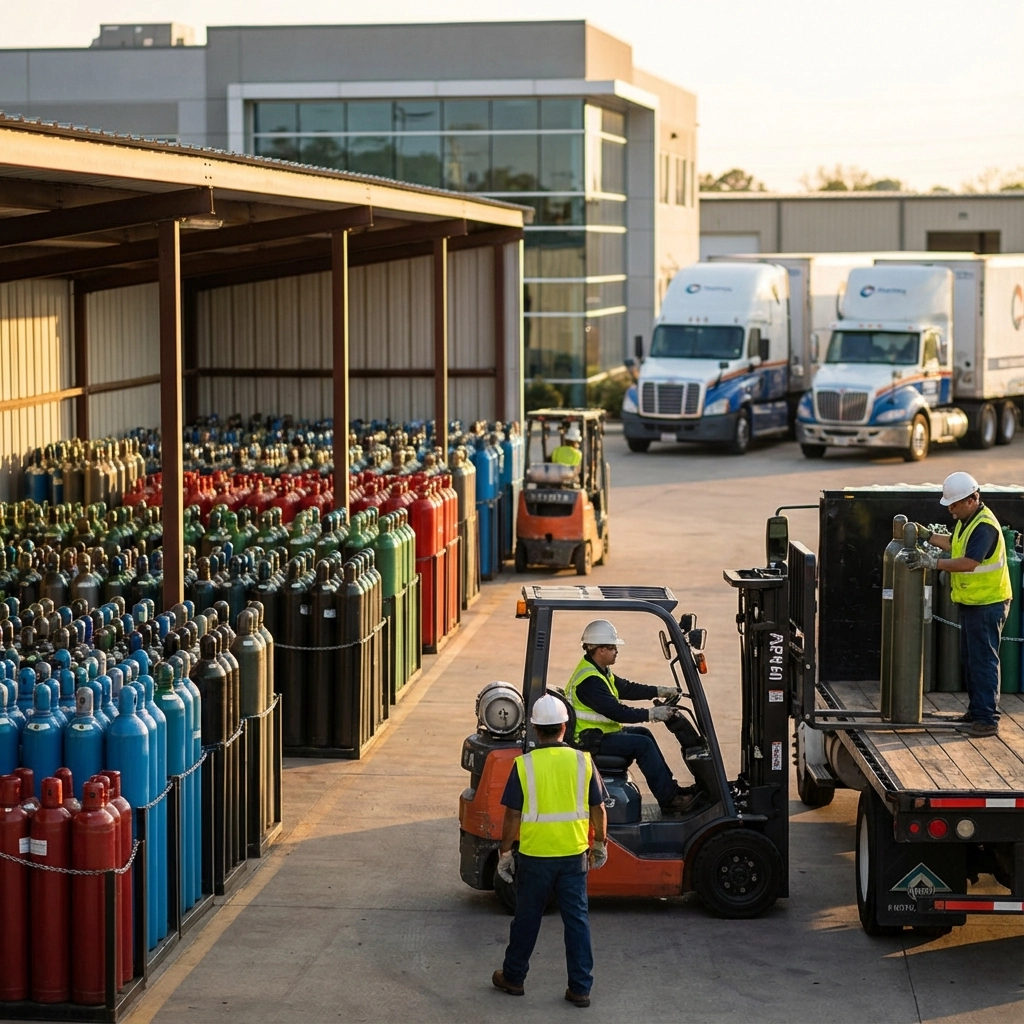
From the nitrogen that preserves your morning coffee's freshness to the argon that protects welding joints from oxidation, gases are the invisible workforce that keeps our modern world functioning. They're in our homes, our workplaces, and our leisure activities, quietly enabling the lifestyle we often take for granted.
The next time you flip on your gas hob, crack open a fizzy drink, or watch fog effects at a concert, you'll know there's a whole world of chemical engineering and safety considerations working behind the scenes. It's a reminder that even the most everyday activities involve fascinating science – and that having reliable, professional gas supply makes all the difference in keeping things running smoothly.
Ready to explore how the right gases can enhance your projects or business operations? Get in touch with our team to discuss your specific needs – we're here to help you navigate the invisible world of gases with confidence and expertise.